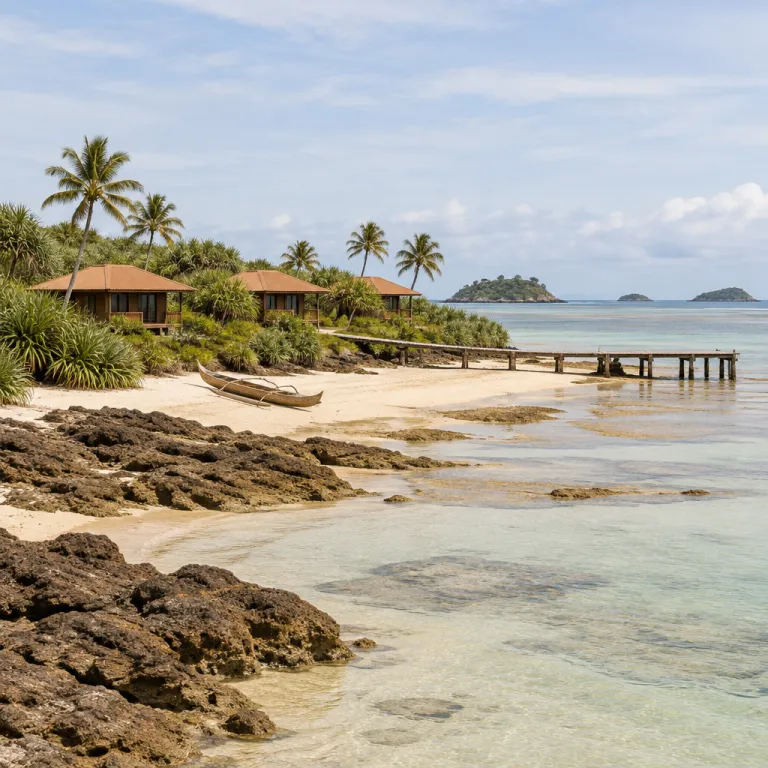
Where the Lau islands sit in Fiji’s map of remoteness
The Lau islands sit far to the east of Viti Levu, beyond Fiji’s usual luxury circuit. This is the part of the south Pacific where the charts start to thin, the ship schedules fade and the idea of easy resort hopping gives way to genuine expedition style travel. For anyone planning lau islands fiji travel, understanding this distance is the first essential step.
The Lau Group stretches in a long arc between Fiji and islands in Tonga, with the southern Lau islands feeling closer to the open Pacific Ocean than to the Denarau marina bars. Each island in this remote group has its own reef, lagoon and village pattern, and the gaps between them are wide enough that sailing here still feels like blue water voyaging rather than casual island hopping. When travelers talk about islands Fiji offers beyond the Mamanucas, they rarely mean Lau, because reaching these islands in Fiji requires a different mindset entirely.
Most visitors to Fiji stay within easy reach of an island resort near Nadi or on Viti Levu, where the tourism office can arrange transfers in a few hours. By contrast, a trip into the Lau Group usually involves a cruise style ship, a private sailing yacht or a specialist charter that treats the journey as the main event rather than a transfer. That is why any serious travel guide to Fiji Lau destinations frames Lau islands Fiji travel as a separate category, closer to an expedition through the south Pacific than a standard resort holiday.
Why there are almost no classic resorts in the Lau Group
Luxury travelers used to the polished island resort experience in western Fiji are often surprised by the near absence of large properties in Lau. The explanation lies in a mix of geography, culture and a deliberate choice by Fijian communities and provincial authorities to keep development slow and on their terms. For lau islands fiji travel, that means the focus shifts from infinity pools to relationships with vanua, the land and sea that anchor Fijian identity.
The Lau Provincial Council and its provincial office work with village leaders to assess any proposal, and the result has been a landscape of small scale stays and visiting ships rather than sprawling resorts. On islands like Lakeba or Vanua Balavu, the idea of a conventional resort has often taken second place to community priorities, fishing grounds and church life, which makes the few guesthouses feel more like extensions of the village than commercial properties. Sustainable tourism logic here is not a slogan but a lived reality, and it explains why the Lau Group remains the south Pacific outlier where the absence of a big resort is a feature, not a gap.
Travelers who know Fiji’s more developed islands sometimes compare Lau with private island experiences elsewhere, such as the careful coral monitoring at one well known property in the northern group described in this review of a meticulously managed private island resort. The difference in Lau is that the reef, the village and the vanua Balavu style of stewardship come first, and any visitor infrastructure follows slowly. For lau islands fiji travel planners, that means accepting fewer amenities in exchange for a rare look at how Fijian communities in southern Lau have kept control of their shores.
Protocols, permissions and the weight of visiting Lau
Reaching the Lau islands is only half the story ; being welcomed ashore is the other. Every island in Lau sits within a web of customary ownership, and the vanua concept binds people, land and sea in ways that shape how travel can unfold. Anyone serious about lau islands fiji travel needs to understand that this is not just logistics but protocol.
Visitors arriving by cruise vessel, expedition ship or private sailing yacht are expected to present sevusevu, the traditional offering of yaqona (kava) to the village chief or a representative. On islands Lau communities such as those on Lakeba, Vanua Balavu or the Moala Islands, this ceremony is not a performance for tourists but the formal request for permission to anchor, swim, dive and walk on the land. A good travel guide or skipper will brief guests in advance, because the way you sit, speak and dress during sevusevu will shape how the rest of your time in the Lau Group feels.
Solo travelers used to booking a room online and arriving unannounced in other parts of Fiji quickly learn that Lau requires more planning and humility. This is where working with a specialist travel guide to Fiji Lau voyages, or joining a small expedition that has long standing relationships with southern Lau villages, becomes less a luxury and more a necessity. For independent travelers, reading accounts like this piece on a solo week in Fiji’s outer islands can help reset expectations before stepping into communities where the provincial office and the church, not the tourism board, set the rhythm.
How travelers actually reach the Lau islands
Access is the main reason lau islands fiji travel remains a frontier experience rather than a mainstream itinerary. There is no regular tourist ferry linking Viti Levu with the Lau Group, and flights, where they exist, are limited, weather dependent and usually geared toward local needs. For most visitors, the realistic options are an expedition cruise, a specialist sailing charter or a research style voyage that treats the islands as a moving classroom.
Small ship cruises occasionally thread their way through the Lau Group, using shallow draft vessels that can anchor close to Vanua Balavu, Lakeba or the Moala Islands while still handling the open Pacific Ocean swells between Fiji and islands in Tonga. These itineraries often combine Lau with more familiar islands Fiji travelers know, allowing a contrast between the polished resort world and the raw, reef edged bays of southern Lau. Sailing yachts, whether privately owned or chartered, remain the most flexible way to move between islands Lau communities, but they demand time, seamanship and a tolerance for plans that change with the weather.
For high end travelers used to helicopter transfers and overwater villas, this can feel like a step back in comfort but a leap forward in authenticity. Those researching where Fiji hides its most exclusive stays often start with guides to overwater style experiences elsewhere in the country, then realize that Lau offers something different entirely. Here, the luxury is a calm anchorage off Balavu Lakeba at sunset, a clear run under sail along the Lau Group reef line or a quiet conversation with a village elder about how travel has changed since the days when only the government ship and the occasional mission vessel broke the horizon.
Setting expectations: what Lau offers instead of a resort holiday
Anyone planning lau islands fiji travel in search of a classic resort stay will be disappointed, and that is precisely why the Lau Group appeals to a certain kind of traveler. This is not the place for a quick office escape with guaranteed Wi Fi, multiple dining outlets and a spa menu waiting on arrival. It is, instead, a chain of islands where the most memorable things Lau offers are often unplanned : a church choir at dawn, a reef flat at low tide, a shared bowl of kava under a tin roof.
On Vanua Balavu, Lakeba and the smaller islands Lau communities, daily life still revolves around fishing, farming and church rather than tourism schedules. Visitors who arrive with a flexible travel guide, a respect for provincial office decisions and a willingness to accept that plans may change with the weather or a funeral will find the experience richer. The south Pacific here feels closer to the stories told by elders who remember when the government ship was the only link between Fiji Lau villages and the administrative centers on Viti Levu.
For luxury travelers, the key is to reframe what counts as premium. In Lau, the real island resort experience might be a simple guest room with a view across the Pacific Ocean, a chance to watch a traditional sailing canoe being repaired or an evening spent listening to stories about Ratu Sir Lala Sukuna and the shaping of modern Fiji. When you edit your expectations away from polished service toward deep connection, lau islands fiji travel stops being a gap in the resort map and becomes Fiji’s last frontier in the best possible sense.
FAQ
Is it possible to visit the Lau Group on a short trip to Fiji ?
Reaching the Lau Group on a short visit to Fiji is challenging, because transport is limited and often irregular. Most expedition cruises and sailing based itineraries that include the Lau islands require at least ten days to allow for weather and protocol. Travelers with less time usually focus on more accessible islands Fiji offers, then plan a dedicated Lau voyage later.
Are there any luxury resorts in the Lau islands ?
There are no large scale luxury resorts in the Lau Group comparable to those near Nadi or in the Mamanucas. Accommodation, where available, tends to be simple guesthouses or small community run stays that prioritize cultural immersion over amenities. For travelers seeking a classic island resort, it is better to combine Lau with time on Viti Levu or other developed regions of Fiji.
Do I need special permission to land on islands in the Lau Group ?
Visitors are expected to follow Fijian protocol, which usually means arranging permission through a guide, skipper or local contact before landing. A sevusevu ceremony with the village chief or representative is standard, and it formally grants access to the land and surrounding reef. Traveling with an experienced travel guide to Fiji Lau communities helps ensure these steps are handled respectfully.
What is the best way to reach Vanua Balavu and Lakeba ?
Vanua Balavu and Lakeba are typically reached by small ship, expedition cruise or chartered sailing yacht rather than regular tourist ferries. Limited domestic flights may operate, but schedules can change and are often designed around local needs rather than visitor convenience. Most travelers fold these islands into longer south Pacific voyages that also include other parts of Fiji.
Is the Lau Group suitable for solo travelers ?
Solo travelers with experience in remote destinations and a flexible attitude can find the Lau Group deeply rewarding. However, independent travel here usually means joining a small group cruise, a research voyage or a guided charter rather than moving alone between islands. For those new to Fiji, starting with more accessible regions before attempting lau islands fiji travel is a sensible progression.