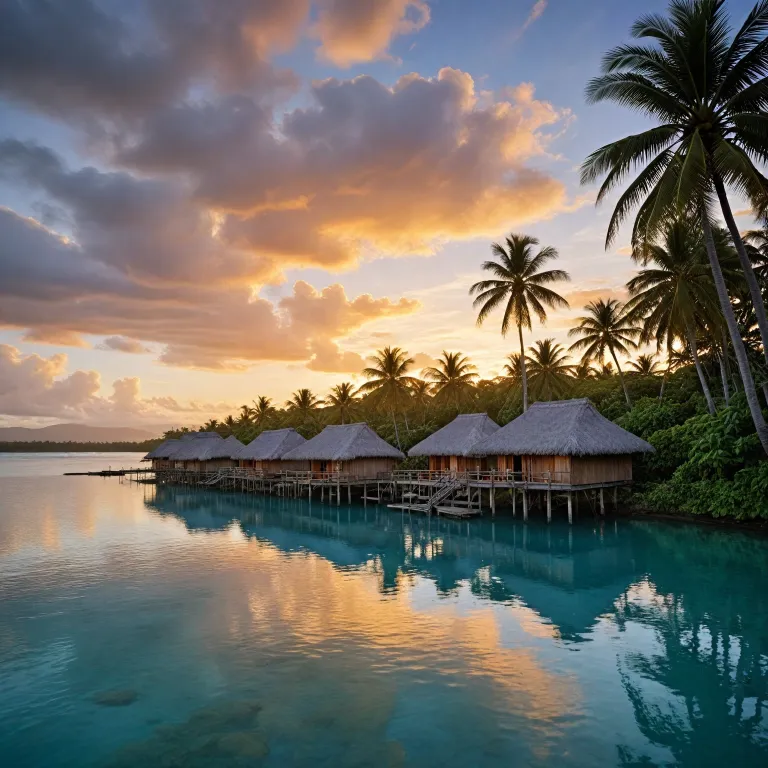
Why fiji huts on water define the ultimate lagoon escape
Fiji huts on water offer an intimate way to experience the lagoon and its shifting colours. These overwater spaces sit above clear water, where coral gardens and tropical fish create a living panorama beneath your feet. For travellers comparing resorts and hotels, they represent the most immersive way to stay close to the ocean while enjoying refined comfort.
Across Fiji, overwater bungalows blend traditional Fijian design with contemporary amenities and careful marine integration. Architects work with local artisans to shape each overwater bungalow or bure using timber, thatch, and glass floor panels that frame the lagoon below. This approach allows each resort fiji property to highlight the surrounding water and reef while preserving the character of Fijian bures and the relaxed rhythm of the south pacific.
Three leading names anchor the current landscape of fiji huts on water. Likuliku Lagoon Resort is renowned because it offers Fiji's first overwater bures, while Fiji Marriott Resort Momi Bay features 22 overwater bungalows, and Koro Sun Resort provides floating Edgewater Bures. Together these island resort pioneers helped shape expectations for the best overwater experiences in the islands and raised standards across other beach resort and lagoon resort developments.
Travellers now find around fifty overwater villas and bures spread across several islands, from Momi Bay to Vanua Levu. Occupancy rates remain high, which reflects strong global demand for overwater bungalows and overwater villas in the south pacific. When planning, it is wise to book in advance, check tide schedules, and pack reef safe sunscreen to protect both your skin and the fragile lagoon ecosystem.
Signature overwater stays at likuliku, momi bay, and koro sun
Among all fiji huts on water, Likuliku Lagoon Resort holds a special place for travellers seeking authenticity. Its overwater bures sit in a sheltered lagoon, where calm water allows easy swimming and kayaking directly from private decks. The resort’s Fijian bures use thatched roofs, hardwood, and woven panels that echo traditional village architecture while still delivering premium comfort.
Likuliku lagoon is often highlighted by guests who value privacy and a strong sense of place. Each overwater bungalow or bure is positioned to maximise views across the lagoon and nearby islands, with careful spacing between villas to preserve tranquillity. This island resort focuses on adults, so couples often regard it as one of the best overwater choices in Fiji for honeymoons and anniversaries.
On Viti Levu, Fiji Marriott Resort Momi Bay offers a different style of overwater bungalows fiji travellers appreciate. The fiji marriott property curves around momi bay, where a man made lagoon resort layout creates calm water and sandy edges ideal for swimming. Here, overwater villas and bungalows connect to the main marriott resort facilities, giving easy access to multiple restaurants, pools, and a refined rainforest spa style wellness area.
Koro Sun Resort, on Vanua Levu, adds another dimension to fiji huts on water with its floating bures. These bungalows sit on the edge of a lush coastline where rainforest meets the sea, and guests can step from their bungalow into warm water or paddle across the bay. This sun resort style setting suits travellers who want both marine activities and access to inland adventures, such as waterfall hikes and village visits across the islands.
How to choose between overwater bungalows, villas, and fijian bures
Selecting the right style among fiji huts on water requires balancing romance, space, and budget. Classic overwater bungalows usually offer one bedroom layouts with direct water access and glass floor panels that frame the lagoon. Overwater villas tend to be larger, sometimes with separate living areas, extended decks, and more expansive views across the bay or surrounding islands.
Fijian bures, whether on land or overwater, focus on cultural character and natural materials. Many resorts design these bures with high vaulted ceilings, open plan interiors, and louvered windows that invite sea breezes from the lagoon or open water. Travellers who value a sense of place often choose fijian bures or bures built over water, because they echo traditional island resort dwellings while still offering modern comforts.
When comparing resorts and hotels, consider how each property positions its overwater bungalow inventory. Some beach resort layouts cluster bungalows close together for easy access to restaurants and pools, while others spread overwater villas along the lagoon for maximum privacy. At Fiji Marriott Resort Momi Bay, for example, the resort momi design places overwater bungalows along a curving shoreline, whereas Likuliku lagoon emphasises seclusion and uninterrupted ocean views.
Families and groups may prefer larger villas or a combination of bures and overwater bungalows fiji wide. In contrast, couples seeking the best overwater ambience often prioritise adults only policies, quiet surroundings, and thoughtful extras such as in room breakfasts served on the deck above the water. Whatever the choice, ensure the resort fiji team can explain safety features, including railings, ladder access to the lagoon, and any age restrictions for children in overwater bungalows.
Planning your stay in fiji huts on water
Thoughtful planning helps you make the most of fiji huts on water and the surrounding lagoon. Availability for overwater bungalows and overwater villas is limited, with only about fifty units spread across the islands, so early booking is essential. High occupancy rates at leading resorts and hotels mean that last minute options for an overwater bungalow or bure can be scarce during peak periods.
Begin by deciding which island resort setting best suits your travel style. Momi Bay and the fiji marriott property appeal to guests who want easy road access from Nadi, a full service marriott resort environment, and a calm lagoon resort layout. Likuliku Lagoon Resort and Koro Sun Resort, by contrast, suit travellers who enjoy boat or domestic flight transfers, more remote islands, and a stronger sense of separation from busier beach resort areas.
Next, match your preferred activities with the resort fiji offerings. If you love snorkelling, choose fiji huts on water positioned above coral rich water, where you can descend directly from your deck into the lagoon. Guests who value wellness may prioritise a rainforest spa, yoga platforms above the bay, or spa bures set among tropical gardens near the water’s edge.
Practical details also matter when comparing sun resort style properties and island resorts. Confirm whether packages are all inclusive, as some overwater bungalows fiji options include meals and activities while others charge à la carte. Ask about minimum stay requirements, which often range from three to five nights for overwater bungalows, and clarify transfer times between the airport, the islands, and your chosen huts water accommodation.
Sustainability, culture, and the future of overwater stays in fiji
Responsible travellers increasingly look for fiji huts on water that respect both the lagoon and local communities. Many resorts and hotels now collaborate with marine conservation groups to monitor coral health beneath overwater bungalows and bures. Eco friendly designs, such as raised walkways and carefully placed pilings, help protect water flow and seagrass beds around each island resort.
Traditional Fijian craftsmanship remains central to the character of overwater villas and bures. Local artisans weave thatch, carve timber, and create decorative details that connect guests with the culture of the islands and the wider south pacific. This emphasis on Fijian bures and cultural storytelling distinguishes resort fiji properties from more generic beach resort developments elsewhere.
Wellness concepts also continue to evolve, with rainforest spa experiences becoming a signature feature at several lagoon resort and sun resort properties. Treatments often use locally sourced coconut oil, tropical botanicals, and sea inspired therapies that reflect the surrounding water and bay. Guests can move between spa bures on land and fiji huts on water, creating a seamless connection between rest, ritual, and the natural environment.
Looking ahead, demand for the best overwater experiences in Fiji is expected to remain strong. Resorts and hotels are likely to refine overwater bungalow designs, integrate more discreet technology, and expand educational programmes about reef conservation around the islands. For travellers, this means future stays in overwater bungalows fiji wide should offer even deeper connections with the lagoon, the islands, and the Fijian communities who welcome guests.
Comparing fiji huts on water with bora style escapes
Travellers often compare fiji huts on water with similar stays in destinations such as Bora Bora. While both regions offer overwater bungalows and overwater villas above turquoise water, Fiji stands out for its strong emphasis on Fijian bures and village inspired design. The atmosphere at many resort fiji properties feels more intimate, with staff often greeting guests by name and sharing stories from their home islands.
In Fiji, the layout of each island resort typically blends rainforest, beach, and lagoon in a single setting. Guests can wake in an overwater bungalow, snorkel in the bay, then hike inland to waterfalls or visit local communities, all within a short distance. This variety contrasts with some bora style islands where the focus remains almost entirely on the lagoon and beach resort experience.
Another distinction lies in the balance between international brands and independent resorts and hotels. Fiji Marriott Resort Momi Bay brings the reassurance of a global marriott resort standard to momi bay, while Likuliku Lagoon Resort and Koro Sun Resort offer more locally driven approaches. Across these properties, travellers can choose between polished marriott service, intimate sun resort ambience, or hybrid models that combine both.
Price wise, fiji huts on water can offer strong value compared with some bora destinations, especially outside peak periods. With only around fifty overwater bungalows fiji wide, however, scarcity keeps demand high and reinforces the need to book early. Whether you select a beach resort with a few overwater villas or a dedicated lagoon resort of bures and huts water, Fiji delivers a distinctive south pacific interpretation of the overwater dream.
Practical tips for a seamless overwater stay in fiji
To fully enjoy fiji huts on water, a few practical steps make a significant difference. First, confirm transfer logistics between the international airport, any domestic flights, and your chosen island resort or beach resort. Travel times can vary widely between Momi Bay, the Mamanuca islands, and northern islands where Koro Sun Resort operates.
When packing, focus on lightweight clothing, reef safe sunscreen, and water friendly footwear suitable for moving between overwater bungalows and the lagoon. Many resorts and hotels provide snorkelling gear, but frequent swimmers may prefer to bring personal masks for exploring the bay and nearby reefs. A light jacket can also be useful for breezy evenings on the deck of your overwater bungalow or bure.
On arrival, ask staff for guidance on tides, currents, and the best times to swim directly from your huts water deck. Some lagoon resort settings offer calm water throughout the day, while others experience stronger currents at certain times. Respect any safety advice about swimming after dark, especially around overwater villas that sit farther from the main resort fiji shoreline.
Finally, consider how you want to balance activity and rest during your stay in fiji huts on water. Schedule key experiences such as rainforest spa treatments, village visits, or sailing excursions early, as spaces can fill quickly at popular resorts and hotels. Leave unplanned time for simply watching the changing colours of the lagoon from your overwater bungalows fiji terrace, listening to the sounds of the south pacific and feeling the gentle movement of the islands around you.
Key figures about fiji huts on water and overwater stays
- Number of overwater bungalows in Fiji : 50 units across leading resorts and hotels.
- Average occupancy rate for overwater accommodation in Fiji : 85 percent throughout the year.
- Estimated contribution of Fiji’s accommodation sector, including overwater bungalows, to national GDP : 1.2 billion USD.
Essential questions about booking fiji huts on water
Are overwater bungalows in Fiji all-inclusive?
Some resorts offer all-inclusive packages; check with individual resorts. When comparing fiji huts on water, review what each island resort or beach resort includes in its nightly rate, from meals to activities on the lagoon. This helps you understand the true value of different overwater bungalows fiji options before confirming your booking.
Is there a minimum stay requirement?
Many resorts require a minimum stay; typically 3-5 nights. This policy is common for fiji huts on water because overwater bungalows and overwater villas are limited and in high demand. Plan your itinerary so that transfers, island hopping, and time in your chosen resort fiji property all fit comfortably within this minimum stay.
Are children allowed in overwater bungalows?
Policies vary; some resorts are adults-only. Families interested in fiji huts on water should confirm age rules for each overwater bungalow category and ask about alternative bures or villas on the beach. This ensures a safe and enjoyable stay for both parents and children across Fiji’s resorts and hotels.
Trusted sources for further information : Fiji Tourism Board, Fiji Hotel Association, World Bank.