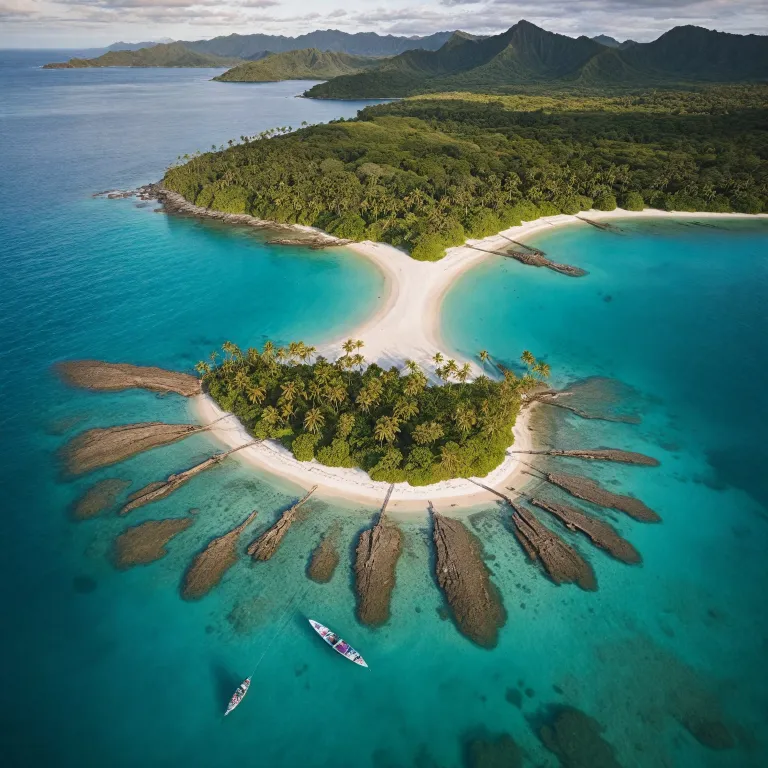
Why kadavu island is Fiji’s quiet luxury frontier
Kadavu Island sits south of Viti Levu and feels wonderfully remote. This fourth largest island in Fiji offers rugged volcanic ridges, deep bays, and a coastline wrapped in reef that suits discerning travelers. For guests seeking a quieter island Fiji experience, it balances raw nature with carefully curated comfort.
The main settlement of Vunisea acts as the island Kadavu hub, with Vunisea Airport welcoming small Fiji Airways flights. From here, a short boat ride often brings you to your chosen resort, skimming past smaller islands and forested headlands. Time seems to slow as you cross each bay, and the transition from airport bustle to reef calm is striking.
Luxury and premium properties on kadavu island tend to be intimate, with a strong sense of place. Many sit close to the Great Astrolabe, the vast barrier reef that frames the southern coast of Kadavu and the nearby Lau islands. From your deck you may watch a shining parrot flash through the trees at low tide, while staff quietly prepare a boat for an afternoon dive.
For travelers comparing islands Fiji wide, kadavu stands apart for its focus on nature and culture rather than nightlife. The local economy still leans on subsistence farming and yaqona, so village life feels authentic rather than staged. This creates a refined, slow travel guide narrative where every day and night is shaped by tides, weather window, and the rhythm of the reef.
Choosing the right resort and room type on kadavu island
Selecting a resort on kadavu island begins with clarifying how you want to spend your days. Some travelers prioritize scuba diving and book a dedicated dive resort directly on the Great Astrolabe, while others prefer a more general island Fiji escape with spa rituals and lagoon views. Both styles exist on Kadavu, but availability is limited, so planning time matters.
Premium properties often cluster near the Astrolabe Reef and Kadavu Passage, where boat access to dive sites is swift. If you plan to dive Kadavu intensively, look for a resort with its own dive boat fleet and experienced diving guides. This reduces transfer time each day and lets you adapt plans quickly when a perfect weather window appears.
Room categories usually range from beachfront bures to elevated villas with wide bay vistas. At low tide, beachfront rooms may sit above exposed reef flats, which some guests find beautiful while others prefer deeper water access. When comparing options, ask how far your room is from the main restaurant, the dive center, and the boat jetty, especially if you travel in a group with different mobility needs.
Luxury travelers who value privacy might choose smaller islands off the main island Kadavu, reached by a short boat transfer from Vunisea Airport. These stays still rely on Fiji Airways schedules, so align your international arrival into Viti Levu with onward domestic flights. A detailed travel guide from your resort should outline exact timings, recommended days to arrive, and how night arrivals in Nadi affect your onward trip Kadavu.
Diving, snorkeling, and reef experiences around kadavu island
The Great Astrolabe is the defining attraction for many visitors to kadavu island. This immense barrier reef, counted among the world’s largest, offers walls, passes, and bommies suitable for both relaxed scuba diving and advanced drift dives. Resorts work closely with local communities to manage access, so each dive feels both exclusive and respectful.
Signature sites along the Astrolabe Reef and Kadavu Passage feature soft corals, schooling fish, and frequent pelagic encounters. A typical day might include two boat dives before lunch, then a gentle afternoon snorkel over a shallow reef near the resort. Night diving is sometimes offered when conditions and the weather window align, revealing hunting reef sharks, crustaceans, and bioluminescent plankton.
Non divers are far from overlooked on this island Fiji outpost. Many premium properties provide guided snorkeling by boat, allowing guests to experience the same beautiful coral gardens without tanks. At low tide, some house reefs become ideal for relaxed exploration, while at high tide the same reef transforms into a deeper, more immersive environment.
For serious underwater enthusiasts planning a trip Kadavu, it is wise to schedule several days on either side of your main diving block. This allows flexibility if strong winds shorten your dive Kadavu program or delay boat departures from the bay. Resorts will usually advise on the best time of year for calmer seas, and a good travel guide will explain how regional weather patterns around Viti Levu and the Lau islands influence local conditions.
On land: villages, birdlife, and slow island days in Fiji
While the reef draws many visitors, the interior of kadavu island rewards those who step ashore. Steep ridges rise toward Mount Washington, the island’s highest point, cloaked in dense forest and alive with endemic bird calls. Guided hikes from select resort and village partnerships reveal a different side of island Kadavu, far from the boat and the bay.
Birdwatchers travel here hoping to see the crimson shining parrot, the Kadavu honeyeater, and the Kadavu fantail. Early morning walks near smaller islands and forest edges often provide the best sightings, especially when the tide is low and coastal paths are easier to follow. Your guide may also point out medicinal plants, traditional crops, and the layout of gardens that support village life.
Cultural visits to a village are a highlight for many luxury guests, provided they are arranged respectfully. Resorts usually brief guests on dress codes, sevusevu protocol, and appropriate gifts before the boat departs. During the day you might share yaqona with elders, watch a meke performance, and learn how subsistence farming still underpins the economy of this largest island in the Kadavu group.
Between excursions, slow days unfold naturally at your island Fiji retreat. You may time a spa treatment to coincide with sunset, then enjoy a quiet night under clear southern skies. Over several days, the rhythm of tides, village church bells, and the distant sound of a surf break on the outer reef becomes the soundtrack of your trip Kadavu.
Practical travel planning for premium stays on kadavu island
Reaching kadavu island typically involves a domestic flight from Viti Levu with Fiji Airways. Most travelers connect through Nadi or Suva, then continue to Vunisea Airport, where resort staff often meet guests directly on the tarmac. Because flights can be weather dependent, it is wise to allow buffer days at the start and end of your itinerary.
Once on island Kadavu, transfers usually continue by boat along the coast or across channels to smaller islands. The ride itself can be a beautiful introduction, passing mangrove lined bays, fringing reef, and occasional surf breaks on the outer edge of the Great Astrolabe. If you are prone to seasickness, request a larger boat and sit toward the stern where motion is reduced.
Luxury travelers should pay close attention to luggage limits on Fiji Airways domestic services. Dive gear, camera housings, and surf boards can quickly exceed standard allowances, so pre arrange extra baggage where possible. Some resorts offer rental scuba diving equipment, which can reduce the weight you carry and simplify your trip Kadavu logistics.
When planning activities and things Kadavu wide, consider how the weather window affects both diving and inland excursions. Heavy rain can make trails to Mount Washington slippery, while strong winds may restrict boat access to certain parts of the Astrolabe Reef or Kadavu Passage. For broader inspiration on high end experiences across islands Fiji wide, you can consult a dedicated Fiji activities guide such as this resource on unforgettable luxury island stays, then tailor those ideas to the quieter character of Kadavu.
Designing a refined itinerary: ideal days and nights on kadavu island
A well balanced itinerary on kadavu island weaves reef, rainforest, and culture into a seamless stay. Many luxury travelers choose a minimum of five to seven days, allowing time for both active pursuits and unhurried rest. Shorter trips can feel rushed, especially if weather compresses your planned dive Kadavu schedule.
One approach is to dedicate the first days to lighter activities while you recover from flights. Gentle snorkeling on the house reef, a village visit, and a sunset boat cruise across the bay introduce the landscape without early morning starts. As your energy returns, you can add more demanding scuba diving days, surf sessions, or hikes toward Mount Washington.
Evenings on this island Fiji retreat tend to be quiet and atmospheric rather than lively. After dinner, many guests linger at the bar comparing notes on the day’s diving or the most beautiful reef they have seen. On clear nights, staff may dim lights so you can watch the Milky Way arc above the smaller islands and the dark outline of the Great Astrolabe.
For multi stop journeys across islands Fiji wide, Kadavu pairs well with a stay on Viti Levu or in the Lau region. This combination contrasts the relative bustle of a larger island with the slower rhythm of island Kadavu. When planning things Kadavu specific, ask your resort to prepare a written travel guide that outlines suggested days, ideal time for each excursion, and how to adapt plans if the weather window shifts.
How kadavu island supports sustainable, high end travel
Luxury and premium stays on kadavu island increasingly align with conservation and community priorities. Many resorts participate in reef monitoring, waste reduction, and village based tourism initiatives that keep economic benefits close to home. This approach helps protect the Great Astrolabe and surrounding smaller islands while offering guests meaningful engagement.
Environmental organizations and local communities collaborate to track changes on the reef and in forest habitats. Utilizing satellite imagery to monitor environmental changes allows stakeholders to respond quickly to threats such as coral bleaching or erosion. Guests may be invited to join citizen science snorkeling sessions, adding data while enjoying the beautiful lagoon environment.
Cultural integrity is equally important on this island Fiji outpost. Respectful village visits, fair employment practices, and support for traditional yaqona farming all contribute to long term resilience. As one local conservation summary notes, “The local economy is largely dependent on subsistence farming, with yaqona (kava) being the main commercial crop.”
For travelers, choosing a resort or dive resort that clearly explains its sustainability commitments is a practical way to support positive change. Ask how your stay contributes to protecting the Astrolabe Reef, the Kadavu Passage, and the forested slopes near Mount Washington where the shining parrot lives. Over time, informed guest choices help ensure that future trip Kadavu experiences remain authentic, that things Kadavu continues to mean unspoiled nature, and that this largest island in the Kadavu group retains its quiet, luxurious character within Fiji.
Key statistics about kadavu island and its environment
- Kadavu Island covers an area of approximately 411 km², making it the fourth largest island in Fiji.
- The island’s highest point, often referred to locally as Mount Washington, rises to about 805 meters above sea level.
- Population figures recorded for Kadavu Island indicate just over 10,000 residents, spread across numerous coastal and inland villages.
Essential questions for planning a stay on kadavu island
What is the main economic activity on Kadavu Island?
The main economic activity on Kadavu Island is subsistence farming, with families cultivating root crops, vegetables, and fruits primarily for their own use. Yaqona, also known as kava, is the principal commercial crop and provides vital cash income for many villages. Fishing and small scale tourism, including work in resort operations and dive services, complement this agricultural base.
What is the Great Astrolabe Reef?
The Great Astrolabe Reef is a vast barrier reef system that wraps around much of Kadavu Island and extends toward nearby smaller islands. It is recognized as one of the world’s largest barrier reefs and is renowned for its rich marine biodiversity, including hard and soft corals, reef fish, and pelagic species. This reef underpins Kadavu’s reputation as a premier destination for scuba diving, snorkeling, and marine focused eco tourism in Fiji.
Are there any endemic species on Kadavu Island?
Kadavu Island is home to several endemic bird species that are not naturally found anywhere else. Notable examples include the velvet dove, the crimson shining parrot, the Kadavu honeyeater, and the Kadavu fantail, all of which attract birdwatchers and conservationists. Protecting the forest habitats that support these birds is a key focus of local and national conservation initiatives linked to sustainable tourism.