How to experience a kava ceremony in Fiji’s luxury resorts and villages

Understanding kava in Fiji’s luxury travel landscape
Kava in Fiji is not a quirky holiday drink; it is a social anchor and a core ritual in iTaukei life. When you book a premium resort on the outer islands, the kava ceremony often becomes your first real contact with Fijian culture and community rhythm. Treat that first bowl of the earthy yaqona drink as a quiet threshold into village life, not a party trick.
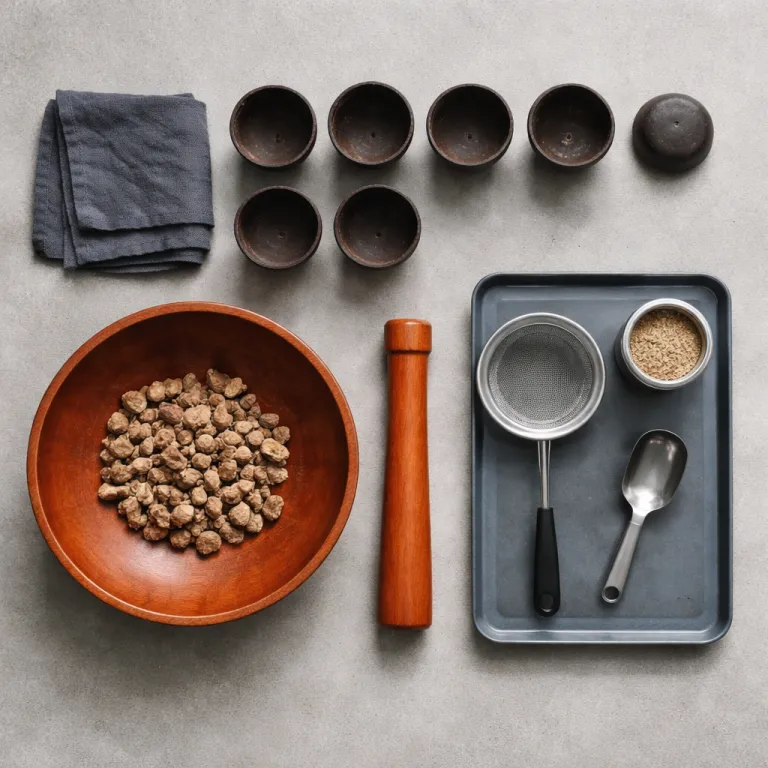
The plant itself, Piper methysticum, is grown for several years before the root is harvested, dried and ground, then mixed with water and served as yaqona in a carved tanoa bowl. In a traditional gathering, villagers prepare the brew in the communal hall, straining it carefully before the first cups are served to the village chief and senior men who sit in a circle around the bowl. You are stepping into a living Fijian culture here, not a staged show, even when your resort experience feels carefully choreographed.
For luxury travelers, the key is to understand that Fijian kava traditions sit alongside fine wine lists and infinity pools without contradiction. A high-end resort on the Mamanuca or Yasawa islands might host kava circles several evenings a week, inviting guests to sit in a circle on woven mats while the chief host explains each step. When you drink kava in this setting, your respect for protocol will matter more to Fijians than your room category or how many nights you booked.
What actually happens in a village kava ceremony
In a village, the ceremony visitors join usually begins with sevusevu, the formal presentation of kava root as a gift. Your guide will help you purchase a bundle of the dried root, often 500 g to 1 kg wrapped in brown paper, then you carry it in both hands and present it to the village chief or spokesperson while seated, signalling humility and respect. This is where luxury travelers used to private service need to adjust, because here you are the guest entering someone else’s circle of authority.
Once the gift is accepted, the kava drink is prepared in the tanoa, strained through cloth and then served in a bilo, the half coconut shell cup. Guests and villagers sit in a circle on the floor, usually cross-legged, with the chief and elders at the top of the circle and visitors along the sides. When the first cup is offered to you, you clap once with cupped hands and say “bula,” accept the bowl, drink in one go, then clap three times to close the exchange.
During these village ceremonies, conversation stays low and respectful while the kava drinking continues in measured rounds. You will notice that Fijian men and women often use the time to talk through village matters, welcome visitors and reinforce bonds that stretch across islands and extended families. One Suva-based researcher described a typical evening circle as “a village newsroom and counselling room combined,” a reminder that yaqona gatherings carry emotional weight as well as hospitality. If your resort has arranged the visit, it may be paired with a lovo feast back on property, and serious food travelers should read about what a lovo actually tastes like and which resorts execute it properly to understand how yaqona and earth-oven cooking frame an evening in Fijian culture.
Resort kava nights versus community ceremonies
Most luxury properties in Fiji now weave some form of yaqona ritual into their weekly schedule. On the main islands and private islands alike, you will see the drink served at sunset on the lawn, with staff in sulu and guests invited to sit in a circle for a short explanation. These resort kava ceremonies are designed to be accessible, but they compress a deep cultural practice into a digestible format.
Think of the resort version as an introduction to Fijian culture, not a replacement for a full village ceremony. The chief host might be a senior staff member rather than a hereditary chief, and the kava drink is often prepared in smaller quantities, with cups moving quickly so guests can return to dinner. You still clap “bula,” you still drink from a half coconut shell, yet the stakes feel lower and the kava drinking is usually lighter, with fewer rounds.
For serious travelers, the most meaningful experience will usually be a community-led gathering arranged through the resort but hosted in a real village. This is where you see how nightly yaqona sessions shape social life, how Fijians use the ritual to welcome guests and settle local matters. When you plan your stay through a specialist site such as MyFijiStay, look for properties that support village-based ceremonies and invest in local culture, then balance that research with independent sources like Fiji Tourism or academic work on Pacific kava customs. You can also explore a resort’s ethos further through pieces like the guide to architectural wonders in Fiji’s luxury hotels, which often explains how communal spaces are designed around the tanoa and the circle.
Protocol, posture and what respectful participation looks like
Respect begins before the first sip touches your lips, and it starts with how you dress and sit. You should dress modestly, covering shoulders and knees, because Fijians read clothing as a sign of how seriously you take their culture. In many villages, men will be offered a sulu to wear over shorts, and women will be gently guided toward similar modest dress that suits local expectations.
When you enter the communal hall, remove your hat and sunglasses, then move quietly to the place indicated, usually along the side of the circle facing the chief. Sit on the mat in a circle, ideally cross-legged if your knees allow, and keep your feet pointed away from the tanoa and the chief host as a sign of respect. Talking should be minimal until the formal part of the ceremony is complete, and you will notice that Fijian men and women alike follow this rhythm instinctively.
As the cups begin to circulate, watch carefully how the first serving is offered and how locals respond. When your own bilo is presented, you clap once, accept the half coconut shell with both hands, then drink in one smooth motion before handing it back and clapping three times. Refusing to join the kava drinking without a serious reason can be seen as disrespectful, so if you are concerned about the effects, ask your guide to arrange a smaller portion rather than stepping out of the circle entirely.
Health, effects and the line between ritual and relaxation
Many travelers arrive unsure about what drinking kava will feel like, especially when they hear it described as a sedative. In practice, the typical bowl served during a Fijian ceremony uses roughly 30–60 g of dried root per litre of water and produces a mild numbing of the lips and tongue, followed by a gentle sense of relaxation rather than any sense of intoxication.1 As local tourism information explains, “What is kava? A traditional Fijian drink made from the ground root of the kava plant.” “Is kava safe to drink? Yes, when consumed in moderation during ceremonies.” “What does kava taste like? Earthy and slightly bitter.”
In a resort setting, staff are used to guiding guests through their first yaqona sessions and will usually keep the strength moderate. The communal bowl is prepared from root that has been ground and strained, and the cups are portioned so that even several rounds of kava drinking remain within a comfortable range for most adults. If you are sensitive, you can quietly ask for “low tide,” a smaller serving, when the cup is offered, and your chief host will understand.
Out in the islands, where evening kava circles are part of nightly life, the mix can be stronger and the drink served more frequently, especially among Fijian men who gather after work. As a guest, you are not expected to match local habits, but you are expected to stay engaged in the circle until the formal part of the gathering winds down. The travelers who handle this best are usually the ones who say little, listen closely to Fijians and let the slow arc of the evening, not the number of cups, define their experience of traditional drinking customs.
Common mistakes luxury travelers make during kava ceremonies
Photo taking is the first misstep many guests make when they enter a ceremonial setting. The tanoa, the chief and the first cup are not props, and raising a phone during the opening prayers can feel jarring to Fijians who see this as a sacred moment. Ask your guide when photos are acceptable, and focus on the circle and the atmosphere rather than close-ups of every half coconut shell.
Another frequent error is treating the drink as a novelty shot, downed with exaggerated faces and laughter. Yes, Fijian kava tastes earthy and slightly bitter, but the correct response after you drink is a calm clap and a quiet smile, not a performance for other guests. Remember that you are sitting cross-legged among people for whom yaqona ceremonies mark births, farewells and reconciliations, not just resort entertainment.
Leaving early without explanation can also read as disrespect, especially in smaller island communities where visitors are noticed. If you need to step away from the kava drinking, speak with your guide or the chief host between rounds so they can signal your departure gracefully to the circle. When you approach Fijian rituals with this level of care, you will find that local culture opens up in ways that no spa treatment or room upgrade can match, and your memories of village evenings will stay with you long after the last cups are emptied.
FAQ about kava ceremonies in Fiji
Is kava safe to drink during a ceremony ?
Kava served in Fijian ceremonies is generally considered safe for healthy adults when consumed in moderation. The root is prepared in water only, without alcohol, and the effects are usually limited to mild numbness and relaxation. The World Health Organization’s notes on traditional herbal preparations advise caution for people with liver disease, so if you have liver issues, are pregnant or take regular medication, speak with a medical professional before drinking kava.2
What should I wear to a kava ceremony in a village ?
Guests are expected to dress modestly, covering shoulders and knees, whether they are men or women. Many hosts will offer a sulu to tie over shorts or trousers so you can sit in a circle on the mat without exposing your legs. Avoid hats, sunglasses and beachwear, because these clash with the respectful tone that Fijian communities maintain.
Can I refuse to drink kava if I feel uncomfortable ?
As a guest, you are strongly encouraged to accept at least the first cup offered, because this signals your willingness to join the circle. If you are worried about the strength of the drink, quietly ask your guide or the chief host for a smaller portion rather than refusing outright. Only serious medical reasons are usually accepted as grounds for skipping the kava drinking entirely.
How is a resort kava night different from a village ceremony ?
Resort kava ceremonies are shorter, lighter and designed for visitors who may be new to Fijian culture. The chief host is often a senior staff member, and the drink is milder, with fewer formal speeches and a more relaxed atmosphere. A village ceremony, by contrast, follows stricter protocol, with a hereditary chief, longer rounds of drinking and deeper community participation.3
Will I feel intoxicated after several cups of kava ?
Most travelers report feeling calm, slightly heavy-limbed and ready for sleep rather than intoxicated or disoriented. The active compounds in Fijian kava, known as kavalactones, act as mild sedatives, so you should avoid mixing the drink with alcohol or taking it before activities that require sharp concentration. Plan your ceremony experience for the evening, and allow yourself time to rest afterwards.
Sources
1. Fiji Tourism (Fiji.travel), visitor information on yaqona preparation and cultural practice.
2. World Health Organization, General Guidelines for Methodologies on Research and Evaluation of Traditional Medicine, sections on safety of herbal preparations and liver health.
3. Academic research on Pacific kava practices from the University of the South Pacific’s School of Social Sciences, including ethnographic studies of village yaqona ceremonies and resort adaptations.