Why vanua levu travel suits the independent luxury guest
Vanua Levu is Fiji’s second largest island and feels purpose built for travelers who prefer unfiltered encounters over packaged excursions. While Viti Levu and the Mamanuca Islands specialise in polished resorts, this quieter northern outpost rewards those who treat logistics as part of the story and see every road as an invitation. For solo guests using myfijistay.com to compare hotels, vanua levu travel offers a rare mix of comfort, autonomy, and genuine village hospitality.
The island stretches across roughly 2,160 square miles (about 5,600 square kilometres), large enough to hold rainforests, sugarcane plains, and coastal towns yet small enough that a flexible road trip feels manageable in a week. Recent estimates note a population of around 135,000–140,000 people, which means the largest island after Viti Levu still feels like a network of villages rather than a single urban hub, and that scale matters when you are choosing where to stay and which resort to trust. This balance makes vanua levu travel ideal for solo explorers who want big landscapes by day and quiet, secure hotels by night.
Most visitors arrive by flight from Nadi or Suva on Viti Levu, then connect by taxi or local bus to Savusavu Town or Labasa Town, the two main gateways for vanua levu travel. Fiji Link and Northern Air typically operate the 45–60 minute domestic flights, while Patterson Brothers Shipping and Goundar Shipping run overnight ferries that take around 10–12 hours between the main islands. Labasa is the main population centre and a major sugar producer, while Savusavu is the tourism hub for visiting yachts, diving, and hot springs, so together they frame two very different entry points to everyday Fijian life. Whichever town you choose, you are never far from the Koro Sea, the barrier reef, and a coastal road that can turn a simple transfer into a north–south island exploration.
Savusavu mornings and where real Fiji eats
Base yourself first in Savusavu, where the harbour curves around a calm bay and visiting yachts sit at anchor like a floating village. This is where vanua levu travel feels immediately human scale, with a small main street, a produce market, and hot springs steaming quietly behind the town. For solo travelers, a stay Savusavu strategy means you can walk almost everywhere, compare hotels on foot, and still be back at your resort pool before the afternoon rain.
Start early at the Savusavu market, the social heart of this coastal town, where farmers from across the island bring taro, papaya, and bundles of leafy rourou. Order a plate of curry or roti from one of the small stalls where Fijians actually eat, then sit near the edge where you can watch the news of the day ripple through conversations in Fijian and Hindi. Expect to pay roughly FJD 5–10 for a generous breakfast, which makes this one of the best value meals on the island. This is where some of your best food memories are made, not in a fine dining room but at a plastic table with a view of the harbour and the second largest island’s everyday life.
From the market, walk to the geothermal hot springs on the edge of town, where locals still cook in bubbling pools and the air smells faintly of minerals. Respect the space, ask before taking photos, and remember that for many residents this is not a tourist attraction but part of their daily routine, a reminder that vanua levu travel intersects constantly with real community rhythms. When you are ready to choose your base, compare Savusavu hotels and eco focused resort options using a detailed Fiji premium hotel comparison, then match your budget to the level of service and privacy you want. A simple sample day might run from 7:30 a.m. at the market, 9:00 a.m. at the hot springs, midday back at your resort pool, and a sunset walk along the harbour before dinner.
Driving Vanua Levu: from Savusavu to Buca Bay and beyond
Once you have settled into your chosen resort, rent a car for a day and turn vanua levu travel into your own north–south exploration. The coastal road from Savusavu to Buca Bay is one of the great scenic drives in Fiji, hugging the Koro Sea and passing through villages where children wave as you slow for speed bumps. This is not a fast highway but a hibiscus highway in spirit, a route where the journey is the point and every small detour can lead to a hidden beach.
Leave Savusavu after breakfast and follow the sealed road east, watching as the landscape shifts from thick rainforest to open coastal flats and back again. The drive to Buca Bay typically takes around three to four hours without long stops to cover roughly 120–140 kilometres. In the dry season the surface is usually reliable, while in the wet season heavy rain can create potholes and short muddy stretches, so solo travelers should keep an eye on local news and ask their hotels for current advice before committing to the full trip. Carry water, fuel up in Savusavu, and remember that mobile coverage can be patchy on this largest island, which is part of the appeal but also a reason to drive conservatively. Daily car hire often ranges from about FJD 120–180, with extra insurance on top.
As you approach the Tunuloa Peninsula and Buca Bay, the views open towards the South Pacific and the distant outline of Taveuni, another of Fiji’s lush islands. Here, vanua levu travel becomes about small encounters, from a roadside stall selling pineapples to a village rugby game you are invited to watch, and each stop deepens your sense of local culture. If you are curious about other remote reef destinations, a refined travel guide to Kadavu and the Great Astrolabe Reef offers a useful comparison point for planning future trips beyond these northern shores.
Snorkelling Split Rock and navigating village kava protocol
Back near Savusavu, one of the best independent activities is snorkelling at Split Rock, a coral outcrop just off the coastal road west of town. You can access it without a guide by swimming from the shore at high tide, but only when the sea is calm, currents are gentle, and visibility is good, so vanua levu travel here demands honest self assessment. If the wind is up, the rain is heavy, or the Koro Sea looks unsettled, skip it and ask your resort to arrange a safer boat based snorkel on the nearby barrier reef instead.
When conditions are right, leave valuables at your hotel, wear fins, and use a brightly coloured float so passing boats can see you clearly. The coral heads shelter clouds of reef fish, and on a clear day you can understand why this second largest island is quietly beloved by divers who prefer substance over spectacle, especially compared with more crowded South Pacific islands. Always tell someone at your stay Savusavu base where you are going and what time you expect to return, a simple habit that keeps solo travel both free and secure. Expect to pay around FJD 30–60 for basic snorkel gear hire if your resort does not include it.
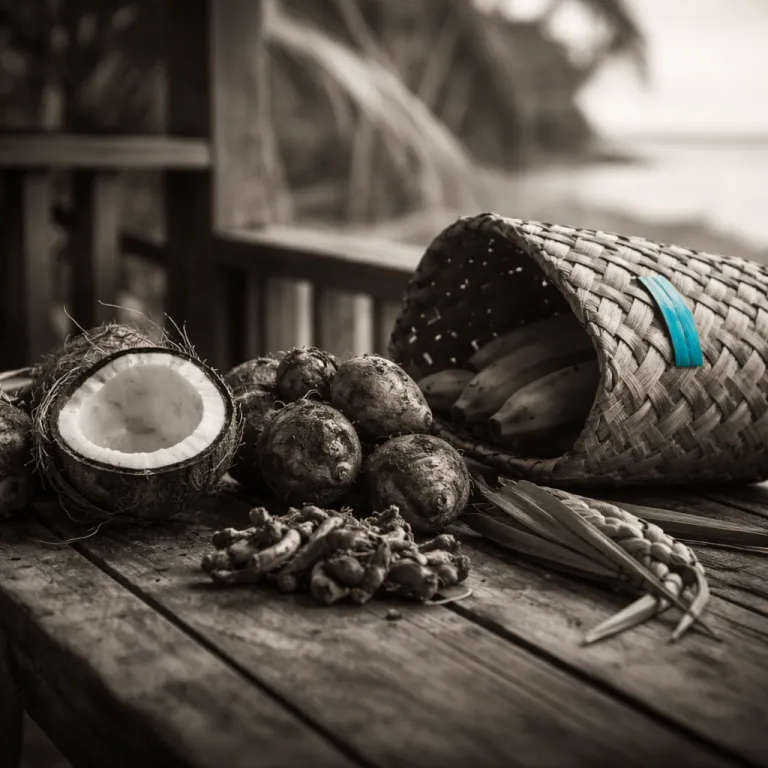
Inland, vanua levu travel is incomplete without a kava ceremony in a village that has not been pre arranged by a tour. Buy a bundle of yaqona root at the Savusavu market as sevusevu, dress modestly, and ask your resort staff to introduce you to a nearby village chief so you arrive with proper cultural respect. A small sevusevu offering usually costs about FJD 10–20 and is presented with both hands while seated. When you sit on the mat and share the bowl, you will feel why many travelers say that “Snorkeling, diving, hiking, and cultural tours” are not separate activities here but parts of a single, layered experience.
Taveuni day trips, eco stays, and what this all costs
From Buca Bay or nearby jetties, Taveuni sits just one ferry away, turning vanua levu travel into a multi island adventure without the need for complex bookings. The crossing across the Somosomo Strait usually takes about 60 to 90 minutes, depending on the vessel and sea conditions, and delivers you to an island famed for waterfalls, coastal walks, and access to the barrier reef, making it a strong choice for a long day trip. Solo travelers who time the ferry well can hike, swim, and still be back on Vanua Levu in time for a quiet dinner at their resort. One way fares commonly fall in the FJD 20–40 range for foot passengers, with higher prices for vehicles.
If you decide to extend your stay, Daku Resort near Savusavu offers simple bures, yoga weeks, and eco minded activities that suit travelers who want character without formality. At the higher end, Jean-Michel Cousteau Resort focuses on marine conservation, guided snorkelling, and family friendly service, yet still works well for solo guests who value structured access to the South Pacific reef systems. Both properties occasionally run special offers, so using myfijistay.com as a travel guide helps you compare Vanua Levu rates against similar hotels on Viti Levu or in the Mamanuca Islands.
In cost terms, vanua levu travel usually undercuts a Mamanuca resort trip by a noticeable margin, especially for solo guests who are willing to mix modest hotels with the occasional premium resort night. Local buses between Savusavu and Labasa keep transfers affordable at roughly FJD 10–20 per sector, while rental cars and taxis add flexibility when you want to explore the north–south road network on your own schedule. To fine tune your timing around the dry and wet season, and to understand how rain patterns affect luxury stays across Fiji, consult a detailed Fiji climate guide before you lock in flights and non refundable reservations.
FAQ
When is the best season for vanua levu travel ?
The most comfortable season for vanua levu travel is the dry period from May to October, when humidity drops and rain showers are shorter. This timing suits road trips between Savusavu and Labasa, snorkelling at Split Rock, and ferry crossings to Taveuni from the south coast. Wet season months bring heavier rain and occasional rough seas, so solo travelers should build more flexibility into their itineraries.
How do I get to Vanua Levu from Viti Levu ?
You can fly from Nadi or Suva on Viti Levu to either Savusavu or Labasa, the two main gateways on Fiji’s second largest island. Ferries also run from Viti Levu to Vanua Levu, which can be appealing if you enjoy slow travel and want to watch the Koro Sea and coastal villages slide by. Once on the island, local buses, taxis, and rental cars connect the main towns, resorts, and smaller islands nearby.
Is Vanua Levu safe for solo travelers staying in hotels and resorts ?
Vanua levu travel is generally considered safe for solo visitors, especially in established hotels and resort properties around Savusavu and Labasa. Standard precautions apply, such as securing valuables, avoiding isolated beaches after dark, and informing your stay Savusavu base when you head out on longer walks or snorkelling sessions. Respectful behaviour in villages and attention to local advice about weather, road conditions, and the barrier reef keep most trips incident free.
What are the main activities on Vanua Levu besides resort time ?
Beyond relaxing at your chosen resort, vanua levu travel offers snorkelling on the barrier reef, diving, rainforest hikes, and cultural visits to villages. Many travelers enjoy the coastal road trip to Buca Bay, the hot springs and market in Savusavu, and day trips by ferry to Taveuni island. Eco tourism initiatives are growing, so you can increasingly combine luxury hotels with low impact activities that support local communities.
How does Vanua Levu compare with the Mamanuca islands for a first Fiji trip ?
The Mamanuca Islands focus on polished, resort centred stays with easy boat transfers and a strong emphasis on beaches and water sports. Vanua levu travel, by contrast, suits guests who want a mix of town life in Savusavu or Labasa, independent road exploration, and more direct contact with everyday Fijian culture. For many solo travelers, the lower overall cost, quieter hotels, and deeper sense of place on this second largest island outweigh the convenience of a more packaged Mamanuca trip.