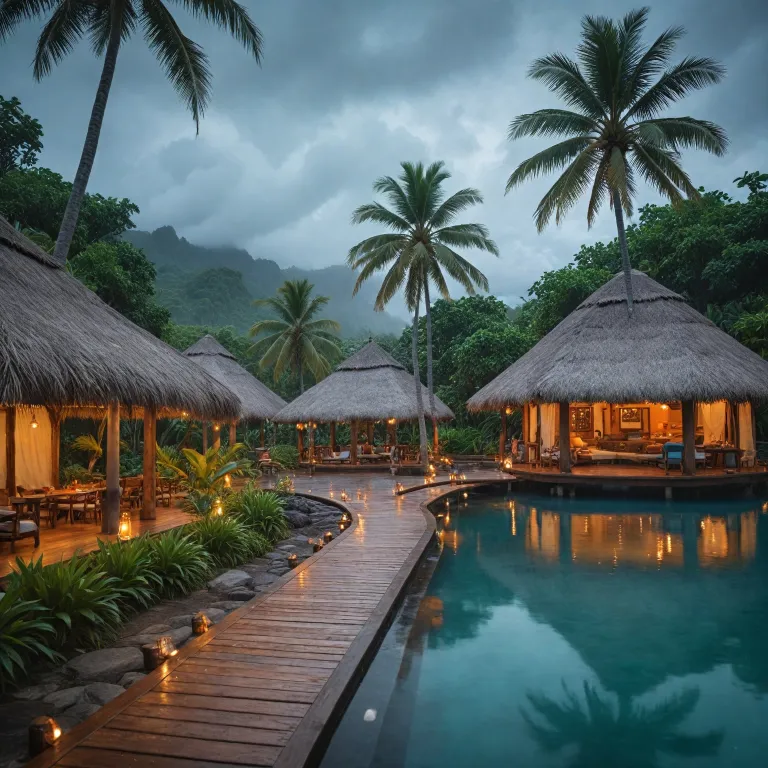
Understanding the Fiji rainy season for luxury travellers
The Fiji rainy season shapes every premium stay, from oceanfront suites to private villas. In this tropical climate, the wet season influences daily rhythms, water activities, and how you plan each day of your trip. Luxury travellers who understand the fiji weather patterns can turn potential disruption into an elegant, well timed escape.
In Fiji, the wet season typically aligns with the summer months, when higher temperatures and heavier rain create lush, emerald landscapes. This is the time when the season lasts from roughly november april, bringing increased humidity, more frequent showers, and a heightened risk of cyclones. The Fiji Meteorological Service notes that “Fiji's rainy season features increased rainfall and humidity.”
For guests booking premium resorts, the fiji rainy season does not mean constant storm conditions or endless wet days. Instead, the weather fiji experiences often alternates between intense but short bursts of rain and long intervals of bright, filtered sunshine. Many luxury properties design their daily programs around this climate, scheduling snorkelling diving or sailing when the weather is stable, and spa rituals or degustation dinners when clouds gather.
Because Fiji enjoys warm water temperatures year round, the wet season still offers excellent conditions for lagoon swimming and reef exploration. However, travellers should remain aware of tropical cyclones, which are more likely during this time visit, especially in the peak of summer. Monitoring official advisories and choosing flexible booking policies allows you to visit fiji with confidence, even when the fiji wet period is at its most intense.
How rain, storms, and cyclones shape luxury hotel choices
During the Fiji rainy season, the interplay of rain, wind, and sea conditions directly affects how luxury and premium hotels operate. When a storm approaches, high end resorts adjust outdoor dining, pool service, and snorkelling diving excursions to prioritise guest safety. This responsiveness is especially important in a region where tropical cyclones can form quickly over warm water.
From november april, the wet season brings more frequent showers and occasional prolonged wet days, particularly in areas such as Suva on Viti Levu. Average temperatures hover around 27 °C in the height of summer, with humidity rising as the day progresses and the fiji weather becoming heavier. For many guests, this climate feels intensely tropical, yet it also creates dramatic sunsets and vivid greens that define the visual identity of fiji.
Premium hotels work closely with the Fiji Meteorological Service, which uses satellite imagery and rain gauges to refine cyclone prediction models. Their public advisories help resorts anticipate when a wet season storm may disrupt transfers, seaplane schedules, or private yacht charters. As a result, well managed properties can shift activities indoors, extend spa hours, or curate wine tastings while the rain passes.
Because the season lasts several months, experienced hoteliers design resilient infrastructure and contingency plans for the entire year. Elevated walkways, efficient drainage, and reinforced roofs help keep suites dry even during intense rain. For travellers, this means you can choose visit dates in the heart of the wet season and still enjoy refined comfort, provided you select properties that treat weather fiji realities as a core part of their guest experience strategy.
Balancing wet season value with dry season expectations
One of the deepest strategic questions for a luxury traveller is whether to prioritise the dry season or embrace the Fiji rainy season. The dry season, often referred to as fiji dry, typically follows after april and is associated with cooler air temperatures and lower humidity. Many guests perceive this as the best time to visit fiji, especially if they are sensitive to heat or intense sun.
However, the wet season offers compelling advantages for premium hotel booking, particularly in terms of value and availability. During the summer months, when rain is more frequent and tropical cyclones are possible, high end resorts may provide more flexible minimum stay requirements and a wider choice of suites. This can be the perfect time visit for travellers seeking privacy, attentive service, and quieter pools or beaches.
Because Fiji enjoys a tropical climate with warm water temperatures year round, snorkelling diving remains attractive even in the wet season. Many lagoons are sheltered, and a passing storm can temporarily improve underwater visibility by cooling surface water. Luxury properties often schedule reef excursions in the morning, when the weather fiji patterns tend to be calmer and the chance of heavy rain is lower.
When you choose visit dates, it helps to think in terms of your personal comfort with climate rather than a single best time. If you prefer cooler evenings, the fiji winter and the broader dry season may suit you better. If you value lush scenery, dramatic skies, and potential savings on premium suites, the fiji rainy season and the fiji wet period from november april can be exceptionally rewarding.
Designing a luxury itinerary around Fiji’s changing weather
Planning a refined itinerary during the Fiji rainy season requires aligning each day with likely weather patterns. Mornings often bring calmer winds, softer light, and less intense rain, making this the ideal time visit reefs, sandbars, and outer islands. Many luxury resorts schedule snorkelling diving, paddleboarding, and sailing early, then pivot to indoor experiences as the wet season heat builds.
Afternoons in the wet season can feature short, heavy showers that refresh the air and deepen the colours of the landscape. Rather than viewing this wet time as an interruption, premium hotels transform it into an opportunity for spa rituals, cooking classes, or private tastings. Guests can watch the rain fall over the lagoon from shaded daybeds, knowing that the tropical climate often clears again before evening.
For travellers focused on water temperatures and marine life, the fiji weather remains inviting throughout the year round cycle. Even when a storm passes nearby, sheltered bays can stay calm enough for gentle swimming, while resort staff monitor fiji weather updates to ensure safety. It is wise to pack lightweight waterproof layers and quick drying resort wear, especially if you plan to visit fiji during the peak of the wet season.
To balance flexibility and comfort, consider structuring your trip with a mix of active and restful days. On days when forecasts mention tropical cyclones or stronger systems, lean into the indoor luxuries of your hotel, from wellness suites to fine dining. On clearer days, take advantage of perfect weather windows to explore remote islands, knowing that the season lasts long enough to offer a variety of conditions during a single stay.
Choosing the right luxury resort for the Fiji rainy season
Selecting a premium property during the Fiji rainy season involves more than comparing room categories or spa menus. You should evaluate how each resort manages wet season realities, from drainage and shelter to communication about fiji weather and potential cyclones. A well prepared hotel will share clear guidance on rain patterns, storm protocols, and flexible activity planning.
Location also matters, because different parts of fiji experience varying levels of rain and wind throughout the year. Some islands sit in slightly drier rain shadows, while others receive more consistent showers during the wet season. When you choose visit dates, ask the reservations team about typical day to day conditions between november april, including how often a storm might affect transfers or excursions.
For travellers who prioritise water based experiences, properties with sheltered lagoons and house reefs can offer more reliable snorkelling diving during unsettled weather. A resort such as a refined private island for water sports escapes can provide tailored guidance on tides, water temperatures, and safe windows for activities. This level of detail is especially valuable in the wet season, when tropical cyclones and squalls can change conditions quickly.
Finally, consider the balance between dry season and fiji winter stays versus summer months in the fiji wet period. Some guests prefer the cooler, more stable climate of the dry season, while others enjoy the lush, rain nourished landscapes and quieter ambience of the wet season. By aligning your expectations with the realities of the Fiji rainy season, you can visit fiji at the time that best matches your comfort with climate, your appetite for adventure, and your desire for serene, year round luxury.
Practical tips for premium stays during Fiji’s wet season
Thoughtful preparation can transform a Fiji rainy season holiday from a weather gamble into a polished, stress free experience. Start by planning your trip around flexible flight times and transfer options, allowing for occasional delays if a storm or heavy rain passes through. Many luxury hotels will coordinate closely with airlines and boat operators when tropical cyclones or strong systems appear in forecasts.
Pack with the wet season in mind, including lightweight waterproof jackets, quick drying clothing, and protective cases for electronics. Because the tropical climate remains warm, you will not need heavy layers, but you will appreciate breathable fabrics that handle humidity and sudden showers. Footwear that copes well with wet walkways and sandy paths will make each day more comfortable, whether you are in fiji during summer or fiji winter shoulder periods.
Stay informed by checking official fiji weather updates from the Fiji Meteorological Service, especially between november april when the wet season is most active. Their early warning systems and cyclone prediction models help hotels and guests respond calmly if a storm approaches. Simple habits such as monitoring advisories, following resort guidance, and planning indoor activities on higher risk days will keep your time visit smooth.
Above all, remember that the season lasts several months, and conditions can vary widely from day to day. Even in the heart of the fiji wet period, you may enjoy long stretches of perfect weather, warm water temperatures, and gentle breezes. By choosing well prepared luxury properties and approaching the Fiji rainy season with informed flexibility, you can visit fiji in any season and still enjoy a refined, memorable stay.
Key statistics for Fiji’s rainy season
- Average rainfall in Suva in January reaches around 300 mm, reflecting the intensity of the wet season.
- Average air temperatures in Suva in January are close to 27 °C, supporting warm water temperatures for swimming and snorkelling.
- The main wet season typically extends from November to April, with peak rainfall often occurring in the middle of this period.
Essential FAQs about the Fiji rainy season for luxury stays
When is Fiji's rainy season?
Fiji's rainy season generally runs from November to April, aligning with the region’s summer months and its most humid period. During this time, travellers can expect more frequent showers, higher humidity, and a greater chance of storms. Luxury hotels adapt their operations to these conditions, ensuring guests remain comfortable even when the rain intensifies.
Are cyclones common during this period?
Cyclones are more likely between January and March, when sea surface temperatures and atmospheric conditions favour tropical cyclones. While not every Fiji rainy season brings a severe storm, resorts and authorities prepare thoroughly for this possibility. Guests should follow official advisories and rely on hotel guidance if a system develops nearby.
Is it advisable to visit Fiji during the rainy season?
It is advisable to visit Fiji during the rainy season, provided you are comfortable with occasional heavy rain and higher humidity. Many luxury travellers appreciate the quieter resorts, lush scenery, and warm water temperatures that characterise this time. With flexible planning and informed hotel choices, the wet season can offer a sophisticated and rewarding way to experience fiji.