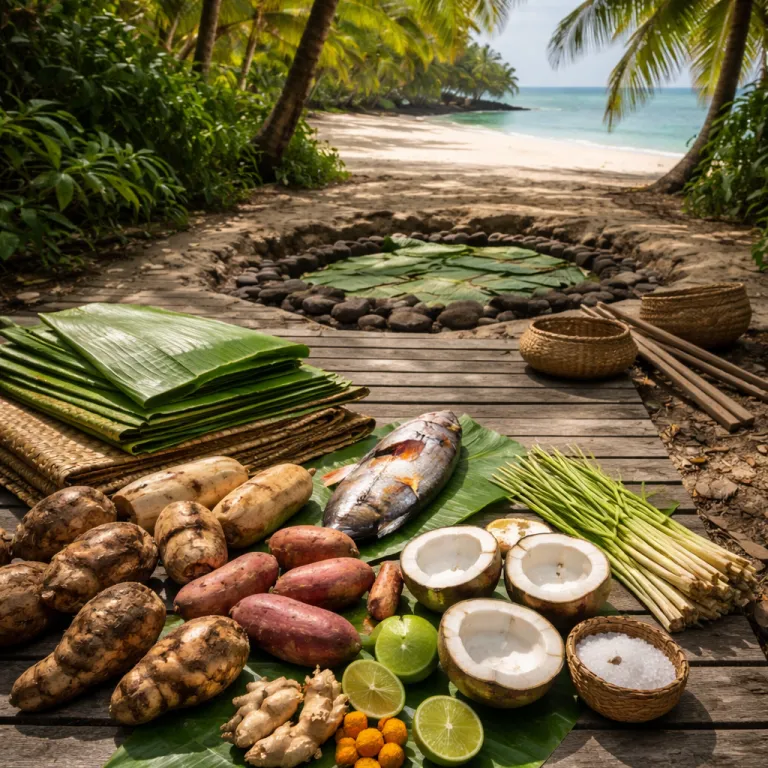
What lovo in Fiji really means for luxury‑minded families
Lovo in Fiji is not just themed décor around a buffet line. A real Fijian lovo is a slow ritual where cooks dig a pit, heat stones over a wood fire, and bury carefully wrapped food under hot coals for hours. For families choosing premium hotels in Fiji, understanding this traditional underground oven helps you tell a staged show from a genuine cultural experience.
In a traditional Fijian village setting, the lovo pit is dug into the earth, lined with volcanic stones, and fed with dry wood until the stones glow. Resort staff or Fijian communities then layer meat and vegetables wrapped in banana leaves and taro leaves, cover everything with more leaves and earth, and leave it to cook until the juicy meat almost falls apart. This underground oven method gives the food a smoky tender character that feels both ancient and surprisingly refined, especially when you are used to stainless steel hotel kitchens.
The heart of any lovo feast is the balance between root crops, meat vegetables, and the sea. You will usually find taro, cassava, and sometimes sweet potato, alongside chicken, pork, and fish, all perfumed with coconut milk or coconut cream and sometimes enriched with palusami made from taro leaves. For luxury travelers exploring lovo Fiji experiences, the most memorable meals are meant shared, where the range of sauces, the wood fire aroma, and the rhythm of the village or resort band turn a simple meal into a special occasion.
From pit to plate: how a Fijian lovo is prepared
On the surface, a lovo looks like a relaxed island barbecue, but the work starts long before guests arrive. Local villagers or resort teams gather wood, dig the pit, and build a fierce fire that heats the stones for at least three to four hours until the hot coals are ready. Only then does the careful layering of food begin, and this preparation phase is where families can gain the deepest insight into traditional Fijian life.
First, the cooks prepare vegetables such as taro, cassava, and other root crops, sometimes stuffing them with coconut cream or coconut milk for extra richness. Meat vegetables combinations follow, with trays of marinated chicken, pork, and fish wrapped in banana leaves or taro leaves, often with sliced banana or coconut tucked inside for sweetness. According to local culinary educators, “Average cooking time is approximately 3-4 hours.”
Once the underground oven is sealed, the lovo becomes a waiting game that defines the pace of the south Pacific. Families can swim, join a weaving class, or walk through the village while the food slowly steams and smokes over the wood fire, taking on that apart touch of earth and smoke that no metal grill can match. When the pit is finally opened, the lovo feast emerges in clouds of fragrant steam, and the juicy meat, vegetables, and cassava are laid out for a meal that feels both ceremonial and warmly casual.
Resort lovo nights in Fiji: authentic feasts versus themed buffets
On many islands in Fiji, luxury and premium resorts now schedule a weekly lovo night for guests. Some of these evenings offer a genuine Fijian lovo cooked in an underground oven, while others are essentially buffets branded with a traditional name and a few banana leaves for atmosphere. For families booking through myfijistay.com, the difference matters if you want your children to understand why this food is central to Fijian culture.
Resorts with strong reputations for authentic lovo Fiji experiences tend to involve guests in the process, not just the plate. At Jean Michel Cousteau Resort near Savusavu, staff often invite children to help place wrapped chicken and vegetables into the pit, explaining how the wood fire and hot coals create smoky tender textures that fall apart gently on the fork. Yasawa Island Resort and Matangi Private Island Resort are also frequently praised by returning families for lovo feasts that feel rooted in traditional Fijian practice rather than staged entertainment.
Other properties across Fiji may offer what they call a lovo feast but cook most dishes in conventional ovens, then finish them briefly over wood or gas. These evenings can still be enjoyable, with live music, a kava ceremony, and a generous range of sauces, yet the food lacks the depth that comes from hours underground. When comparing hotels, look for clear mentions of an underground oven, banana leaves, and participation in preparation, and use resources such as the architectural and cultural insights on this guide to Fiji’s luxury properties to understand how each resort integrates village traditions into modern hospitality.
Village lovo invitations and cultural protocol for families
Beyond resort grounds, a village lovo in Fiji offers a deeper, more communal experience that many luxury travelers now seek. Lovo is central to Fijian communal gatherings and is often prepared for special occasions such as a birth, marriage, or a major church celebration, when the entire village contributes food, wood, and time. Tourists are sometimes invited to join these meals, especially when resorts partner with nearby communities to share both income and culture.
When a village extends an invitation to a lovo feast, it is more than a casual meal; it is an expression of trust. Guests should dress modestly, bring a small contribution such as kava or packaged food, and follow the lead of elders when entering the community hall or sitting on woven mats. Many hosts will explain that “Meats, root vegetables, and palusami are cooked in a lovo” and that the meal is meant shared, not plated individually, so children can choose small portions of chicken, cassava, or milder vegetables first.
Timing is another consideration for families, because the cooking process can last most of the day and serving often begins after sunset. Younger children may tire before the final speeches or songs, so discuss with your host whether it is acceptable to leave quietly after the main meal. Pairing a village lovo with a kava ceremony can be powerful for adults, yet some parents prefer to keep kava separate from dinner for younger guests, allowing them to focus on the food, the banana leaves, and the gentle rhythm of island life without the formality of repeated kava rounds.
Planning a lovo feast with kids: what they will actually eat
For premium family travelers, the question is not only where to find lovo Fiji experiences, but also what children will realistically enjoy. The smoky tender flavors from the underground oven can be surprisingly approachable, especially when the resort kitchen offers simple grilled chicken or fish alongside more traditional Fijian dishes. Many chefs quietly adapt the lovo feast for younger palates, keeping some meat vegetables combinations lightly seasoned and serving coconut cream or coconut milk based sauces on the side.
Most children respond well to the textures of cassava, taro, and other root vegetables once they are explained as cousins of potato. Encourage them to try small bites of palusami wrapped in taro leaves, or fish steamed in banana leaves, then let them retreat to familiar food if needed. Resorts that understand premium family needs will often provide a parallel children’s buffet, yet the real value lies in inviting kids to watch the fire, feel the heat of the hot coals from a safe distance, and see how leaves, wood, and earth can cook a meal without a single metal pan.
To make the evening feel special rather than overwhelming, plan naps for younger children and a lighter lunch so they arrive hungry but not exhausted. Ask your hotel in Fiji whether the lovo feast coincides with a cultural show or kava ceremony, and request an early seating if possible, because the full program can stretch late into the night. When handled thoughtfully, a lovo on a remote island or at a carefully run resort becomes a defining family experience in the south Pacific, one that lingers long after the last smoky piece of juicy meat has disappeared from the plate.
FAQ about lovo in Fiji for luxury and premium travelers
What foods are usually cooked in a Fijian lovo?
A traditional Fijian lovo typically includes a mix of meats, root vegetables, and leafy dishes. Pork, chicken, and whole fish are common, alongside cassava, taro, and sometimes sweet potato wrapped in banana leaves or taro leaves. Many cooks also prepare palusami, which is taro leaves baked with coconut cream or coconut milk inside the underground oven.
How long does a lovo take from preparation to serving?
The full process usually spans most of the day, especially in villages or resorts that follow traditional methods. Heating the stones over a wood fire can take three to four hours, and the food then cooks underground for another three to four hours. Serving begins soon after the pit is opened, so guests often eat in the early evening or after sunset.
Can tourists participate in lovo preparations at resorts?
Many luxury and premium resorts in Fiji now invite guests to join parts of the lovo preparation. Families may help wrap vegetables in banana leaves, watch the pit being dug, or assist with placing food over the hot coals before it is covered. This participation turns the meal into a richer cultural experience and helps children understand the effort behind the feast.
Is a resort lovo as authentic as a village lovo?
Authenticity varies widely between properties, because some hotels use a true underground oven while others rely on standard kitchens. A village lovo is usually more communal and tied to special occasions such as a birth or marriage, with the entire community involved. High end resorts that partner closely with nearby villages often come closest to this atmosphere, especially when they cook over a real wood fire and follow traditional Fijian protocols.
How should families behave when invited to a village lovo?
Guests should dress modestly, remove hats when entering a home or community hall, and follow the seating instructions of elders. Bringing a small gift such as kava, fruit, or packaged food is appreciated, and parents should guide children to wait until a blessing or speech is finished before starting to eat. Asking questions respectfully about the food, the leaves used for wrapping, and the cooking process shows genuine interest and is usually warmly received.