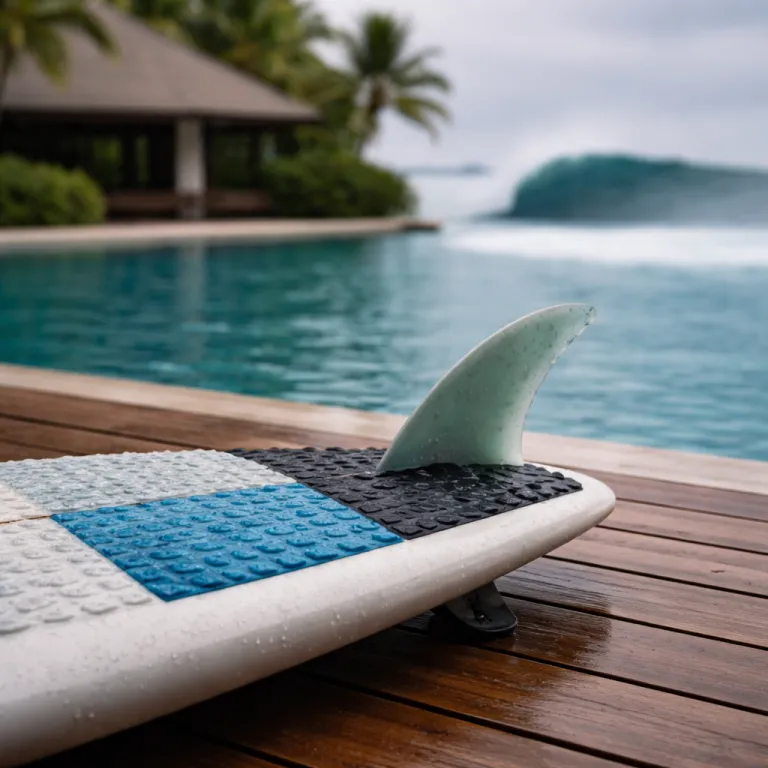
Luxury stays close to iconic Fiji surf locations
Planning a high end escape to Fiji surf locations starts with understanding how geography shapes your experience. The main island of Viti Levu, the Mamanuca Islands, and the remote outer island groups each frame different reef systems, winds, and levels of seclusion for surfing Fiji in style. When you combine a carefully chosen surf resort with tailored services and easy access to consistent waves, the result is a stay that feels both polished and deeply connected to the ocean.
Fiji offers more than three hundred documented surf breaks, and many of the most coveted Fiji surf locations sit on offshore reef platforms that demand boat access and precise timing. Luxury surf resorts and premium island resort properties typically coordinate transfers to these reef breaks, aligning departures with the right swells, tides, and light variable winds for smooth faces. This level of planning is essential around the famous cloudbreak area, where the wave can shift from playful to powerful depending on the season, the trade winds, and the tide window.
For travellers who want comfort without sacrificing performance, the best strategy is to map your wish list of surf breaks against the resort offers available on each island. Some surf resorts near the Mamanuca Islands focus on advanced surfers chasing cloudbreak, Restaurants, and nearby reef breaks, while others balance family friendly amenities with mellow waves on the coral coast of Viti Levu. By comparing how each surf resort manages guiding, safety gear, and eco friendly practices, you can align your expectations with the level of service that suits your style.
Choosing between Viti Levu, the coral coast, and the Mamanuca Islands
Many first time visitors to Fiji surf locations start by comparing stays on Viti Levu with escapes to the Mamanuca Islands. Viti Levu offers easier logistics, more varied resorts, and direct access to beginner friendly surfing Fiji experiences along the coral coast, including beach breaks that suit families and cautious intermediates. The Mamanuca Islands, by contrast, place you closer to legendary reef breaks and surf fiji hotspots that have shaped the global reputation of Fiji surfing.
Along the coral coast, several upscale resorts sit within a short drive of beach breaks and gentler reef breaks that work best at mid to high tide. These Fiji surf locations are ideal if you want to mix spa days, cultural excursions, and relaxed surf sessions without committing to heavy waves. Because the coastline here is partially sheltered, swells can be more forgiving, and the combination of trade winds and light variable breezes often creates manageable conditions for longboarders and learners.
In the Mamanuca Islands, luxury surf resorts and every island resort tend to focus on boat based access to outer reef breaks, including the cloudbreak area and nearby surf breaks like Namotu Lefts. Here, the emphasis is on high performance surfing Fiji, with guides tracking swells, tides, and winds to position surfers at the best Fiji surf locations each day. If you are travelling with non surfers, look for a surf resort or island resort that offers strong non wave activities, such as snorkeling on coral gardens, sailing, and wellness programs, so everyone feels equally indulged.
Cloudbreak, Namotu Lefts, and nearby reef breaks for advanced surfers
For experienced surfers, the names cloudbreak and Namotu Lefts immediately signal some of the best Fiji surf locations on the planet. These reef breaks sit off the Mamanuca Islands and are accessed by boat from specialized surf resorts or high end island resort properties that cater to serious surfers. The combination of deep ocean swells, abrupt coral ledges, and reliable trade winds creates powerful waves that reward skill, fitness, and careful planning.
The cloudbreak area is renowned for long, hollow walls that wrap around the reef, with sections that can challenge even elite surfers when swells peak. Many surf resorts structure their daily offers around tide charts, focusing on mid to high tide sessions when the wave shape is more forgiving and the coral is slightly deeper. Because conditions can change quickly, guides monitor light variable winds, shifting currents, and incoming swells to decide whether cloudbreak, Namotu Lefts, or alternative surf breaks will provide the best wave on any given day.
Luxury travellers booking into a surf resort near these Fiji surf locations should pay close attention to safety protocols, boat quality, and guide experience. Eco conscious surf resorts increasingly emphasize reef friendly practices, such as anchoring away from sensitive coral and limiting group sizes to reduce pressure on the marine environment. When you evaluate surf fiji packages, look for transparent information about group ratios, rescue equipment, and how the resort collaborates with local communities to protect both the reef and the cultural fabric that makes surfing Fiji so distinctive.
Balancing luxury, accessibility, and conditions for intermediate surfers
Not every guest heading to Fiji surf locations wants the intensity of cloudbreak, and many intermediate surfers prefer a balance between challenge and comfort. For this group, the best Fiji surf options often include mellower reef breaks, sheltered island resort setups, and guided sessions that build confidence without unnecessary risk. Resorts along the coral coast and selected surf resorts in the Mamanuca Islands can tailor surfing Fiji experiences that match your current level while still feeling aspirational.
On Viti Levu, the coral coast offers a mix of beach entries and outer reef breaks that can be reached by short boat rides, making logistics simpler for guests who value spa appointments and dining as much as time in the water. These Fiji surf locations often work best during the main swell season, when consistent swells meet moderate trade winds to form clean faces rather than heavy barrels. Because water temperatures hover around twenty seven degrees Celsius year round, you can pack light and focus on choosing the right board for each wave instead of worrying about thick wetsuits.
In the Mamanuca Islands, some surf resorts and island resort properties position themselves as gateways to both high performance surf breaks and more forgiving waves. Here, guides may steer intermediate surfers toward shoulder high reef breaks or smaller waves on the fringes of the cloudbreak area, timing sessions for higher tides and lighter winds. When you compare surf fiji offers, ask how the resort segments groups by ability, how they handle changing conditions, and whether they provide coaching that helps you progress safely while still enjoying the luxury setting.
Family friendly surf resorts and plantation island style escapes
Families and mixed ability groups often look for Fiji surf locations that combine gentle waves, safe swimming areas, and polished hospitality. In this context, plantation island style stays and larger island resort complexes can be ideal, especially when they integrate kids clubs, lagoon pools, and easy access to beginner friendly surf breaks. These properties allow dedicated surfers to chase waves while partners and children enjoy a full program of activities on land and in sheltered coral lagoons.
Plantation Island and similar destinations in the Mamanuca Islands typically sit near a variety of reef breaks, some of which are suitable for longboarders and cautious intermediates during smaller swells and higher tides. A well run surf resort in this area will coordinate boat trips to outer Fiji surf locations for more advanced surfers, while also arranging lessons in gentler waves closer to shore. Because conditions can vary between the open coast and protected lagoons, staff monitor trade winds, light variable breezes, and incoming swells to match each guest with the right wave.
When evaluating surf resorts and island resort options for families, pay attention to how the property structures its offers across seasons, especially during the summer months when swells can be smaller but winds more changeable. Many premium resorts highlight surfing Fiji as just one element of a broader experience that includes snorkeling on coral gardens, cultural performances, and guided village visits. By choosing a surf resort or plantation style island resort that respects local customs and invests in reef conservation, you support a model of surf fiji tourism that benefits both guests and host communities.
Seasonality, trade winds, and timing your luxury Fiji surfing stay
Understanding seasonality is essential when planning a high end trip to Fiji surf locations, especially if you want to align your stay with the best waves. The main swell window runs from April to November, when consistent swells from the Southern Ocean meet the reef systems around Viti Levu and the Mamanuca Islands. During this period, trade winds are more prevalent, shaping how different surf breaks perform across the day.
Many travellers aiming for powerful Fiji surf at cloudbreak, Namotu Lefts, and other outer reef breaks choose the peak swell months, accepting stronger trade winds in exchange for more frequent overhead waves. Luxury surf resorts respond by timing boat departures to capitalize on morning glass offs or windows of light variable winds, especially around mid to high tide when the reef is more forgiving. For guests who prefer smaller surf breaks and smoother faces, the shoulder seasons and some summer months can provide a gentler introduction to surfing Fiji without sacrificing water temperature or overall comfort.
Because Fiji offers viable surfing opportunities year round, premium resorts often design flexible packages that adapt to daily conditions rather than promising a single type of wave. When you review surf fiji offers, look for properties that emphasize real time forecasting, collaboration with experienced operators such as Fiji Surf Co., and transparent communication about what to expect. As Tourism Fiji notes, "Fiji offers world-class surf breaks for all levels." and this diversity means that with the right guidance, you can match your luxury accommodation to Fiji surf locations that suit your skills, your schedule, and your appetite for adventure.
Practical booking tips for premium stays near Fiji surf locations
Securing the right luxury base near Fiji surf locations requires more than simply choosing a five star rating. Start by listing the specific surf breaks you hope to visit, such as cloudbreak, Namotu Lefts, or mellower reef breaks along the coral coast, then map which surf resorts and island resort properties provide reliable access. This approach helps you avoid long daily transfers and ensures that the resort offers align with your surfing Fiji priorities.
Next, examine how each surf resort manages logistics, safety, and sustainability, especially if you plan to travel with family or a mixed ability group. Look for details on boat capacity, guide qualifications, and how the property protects nearby coral reefs while operating in busy Fiji surf locations. Resorts that partner with local surf schools and eco friendly operators often provide a richer experience, combining expert knowledge of swells, winds, and tides with respect for the communities that depend on the reef.
Finally, consider the broader guest experience, including dining, wellness, and non surf activities that make a trip feel truly premium. Many surf resorts and plantation island style properties now integrate spa programs, yoga sessions timed around surf fiji outings, and curated excursions that highlight Fijian culture. By booking early for peak swell periods and asking precise questions about access to specific surf breaks, trade winds patterns, and year round conditions, you can secure a stay that balances world class waves with the refined comforts expected from a luxury escape in Fiji.
Key statistics about Fiji surf locations
- Number of documented surf breaks across Fiji surf locations : 332 breaks.
- Average water temperature near major Fiji surf areas : 27 °C.
- Main period for consistent swells at many Fiji surf locations : April to November.
Essential questions about Fiji surf locations
What is the best time to surf in Fiji?
What is the best time to surf in Fiji? The best time to surf in Fiji is between April and November, when consistent swells reach the main reef systems and many Fiji surf locations benefit from reliable wave energy. During this period, trade winds are more common, so luxury travellers often work with surf resorts that time sessions for calmer wind windows and favourable tides.
Are there surf spots for beginners in Fiji?
Are there surf spots for beginners in Fiji? Yes, there are several beginner friendly Fiji surf locations, including beach breaks such as Natadola Beach and the area near Sigatoka Sand Dunes on Viti Levu. Many premium resorts along the coral coast and selected island resort properties in the Mamanuca Islands offer lessons and gentle reef breaks that suit learners and cautious intermediates.
Do I need a boat to access surf breaks in Fiji?
Do I need a boat to access surf breaks in Fiji? Many of the most famous Fiji surf locations, including cloudbreak and Namotu Lefts, are offshore reef breaks that require boat access from a surf resort or island resort. However, there are also shore accessible waves, particularly along the coral coast of Viti Levu, where beach entries and shorter paddles can be suitable for beginners and families.