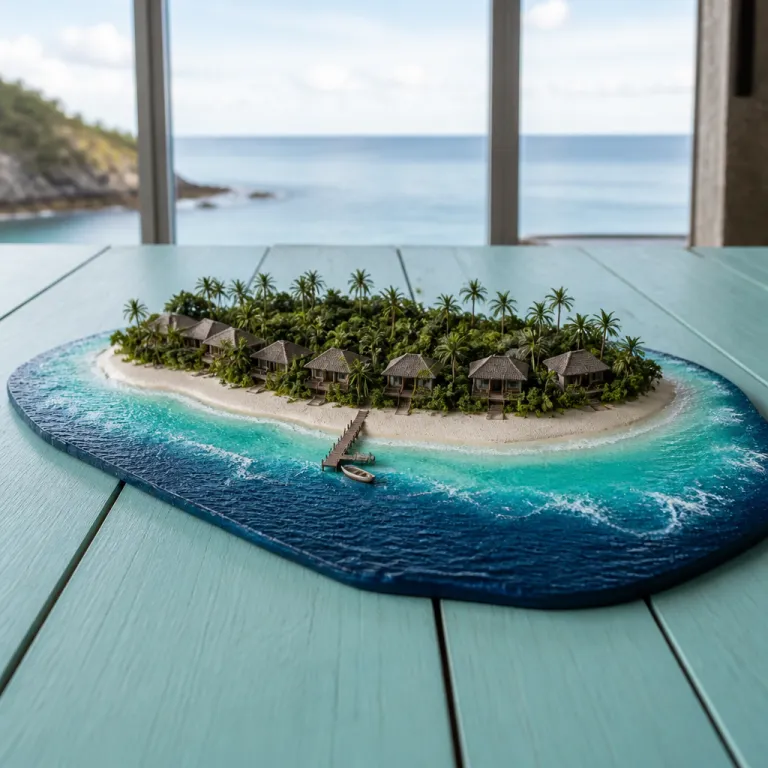
How private can an island get ? Inside turtle island fiji resort
Turtle Island Resort in Fiji is a 500-acre private island retreat where the resort caps at just 14 villas and a maximum of 28 guests. This intimate island resort sits in the Yasawa Islands, facing the Blue Lagoon and the wider South Pacific, and the low guest count means the island serves an atmosphere closer to a private home than a typical luxury resort. For couples who want a secluded private island Fiji escape without day trippers or marina traffic, Turtle Island offers one of the most controlled and idyllic environments in the region.
The property is family owned and run with a largely Fijian staff, and that family-owned ethos shapes everything from the kava ceremony to how each private beach is allocated. Turtle Island Resort operates on an all-inclusive basis, so when you book the island as a buyout you secure all 14 bure-style villas, every stretch of private beaches, and the full attention of the staff for your group. According to resort information available in early 2024, a full island buyout typically includes accommodations, meals, many activities and transfers, and the island can host up to 28 guests in 14 villas; always check current resort materials for the latest details and any policy changes.
Recent published guidance from the resort, current as of 2024, places indicative rates for a complete private island buyout at around 29,120 USD per night, with a minimum five-night stay, so couples considering inviting friends or family often treat it as a milestone celebration rather than a casual beach holiday. That estimated cost usually covers seaplane transfers from Nadi, all meals and dining experiences, non-powered activities such as kayaking and snorkeling, and signature cultural evenings with kava and Fijian music. For island guests who prefer partial occupancy instead of a full buyout, Turtle Island Resort still feels like a private resort because the guest count never exceeds 28 and each bure faces its own beach or cove, preserving the sense of a secluded private beach hideaway.
What a week on a private island actually looks like
A typical day on Turtle Island begins quietly, with the gentle sound of waves on the beach and coffee delivered to your bure by Fijian staff who already know how you take it. Many couples choose to start with a swim from their private beach, while other guests head straight out by kayak into the Blue Lagoon or join a guided snorkeling trip before the sun climbs. Because the island resort avoids rigid schedules, the team adapts each day’s activities to what island guests feel like doing rather than pushing a fixed program, so the experience stays relaxed and genuinely personal.
Late mornings might bring a guided hike across the island Fiji interior, where you see the natural beauty of the reforested hills and learn how this eco resort has replanted hundreds of thousands of trees. Resort communications in 2024 describe a long-running reforestation program that has transformed former grazing land into forest, and staff are happy to explain how that work continues. After lunch, some guests opt for horseback riding along the sand, while others arrange fishing–scuba combinations or simple reef snorkeling sessions in the protected marine reserve. For couples who want more structured underwater time, the staff can organize scuba diving excursions beyond the lagoon, while those who prefer to stay on land can explore local craft workshops or join a gentle kava ceremony with the Fijian crew.
Evenings are when the private nature of Turtle Island Resort really shows, with moonlit dinners set up on different private beaches or on floating pontoons in the Blue Lagoon. One night the island serves a lovo feast cooked in the earth, another night you might have a multi-course dining experience under lanterns while the staff sing traditional songs. One returning guest described it simply as “the first time a resort felt like staying with family,” and if you are weighing this style of stay against other private islands, a detailed comparison of Turtle, Kokomo and VOMO can help clarify how each island resort approaches privacy, service and scale on Fiji’s private islands.
Exclusivity versus infrastructure : Turtle Island, Kokomo, Laucala and VOMO
Among Fiji’s luxury islands, Turtle Island sits at the extreme privacy end of the spectrum, while Kokomo, Laucala and VOMO offer more infrastructure and a broader mix of guests. Turtle Island limits the resort to 14 villas and no day visitors, so couples who book either a buyout or a standard stay share the island with at most 26 other guests and a deeply attentive Fijian staff. Kokomo, by contrast, has around 50 villas and residences, more powered water sports, and a marina that brings a livelier South Pacific energy to the island experience.
Laucala, once a private estate, now functions as an ultra–high-end island resort with dramatic architecture, extensive scuba diving operations and a long list of powered toys, from golf carts to deep-sea fishing boats. VOMO sits somewhere between, with limited keys, a polished resort-style service culture and easy access to both snorkeling and fishing–scuba trips around the Mamanuca and Yasawa Islands. If you are trying to match a mood rather than a brand name, a couples guide to the Mamanuca Islands can help explain which resort suits which style of trip, and it helps frame how a quiet private island like Turtle compares to more social properties.
The key difference is how each island serves privacy and connection to local culture, and Turtle Island leans hard into intimacy and Fijian traditions. Here, the kava ceremony is not a staged show but an inclusive gathering, and the family-owned management encourages staff to share stories about their villages and the natural beauty of the Yasawa Islands. Couples who value silence, moonlit dinners on empty beaches and long conversations with local hosts will find that Turtle Island Resort offers a very different rhythm from the more built-up private islands of the South Pacific, where larger marinas and more powered activities create a busier atmosphere.
Conservation, culture and what “eco resort” really means here
Calling Turtle Island an eco resort only makes sense when you understand the scale of its conservation work and how it shapes the guest experience. Resort materials report that the owners have replanted more than half a million trees across the island Fiji landscape over several decades, turning former grazing land into dense forest that shelters birdlife and stabilizes the soil above the Blue Lagoon. In the surrounding waters, a no-take marine reserve protects coral and fish, which in turn improves snorkeling, fishing–scuba options outside the boundary and the overall health of the South Pacific reef system.
For guests, this conservation focus shows up in small daily details, from solar-powered systems that reduce generator noise to gentle reminders about reef-safe sunscreen before scuba diving or swimming. Island guests are invited to join tree-planting sessions, visit the turtle monitoring program when in season, or hike with local guides who explain how traditional Fijian knowledge informs modern sustainability practices. The resort’s family owned structure means decisions about development, from limiting villas to preserving private beaches, are made with both long-term ecology and community relationships in mind.
Cultural immersion is woven just as tightly into the stay, with regular visits to nearby villages, inclusive kava ceremony evenings and storytelling sessions where staff share legends about the turtle that gave the island its name. Dining often highlights local produce and seafood, and the island serves menus that change with what fishermen bring in and what grows in the gardens. For many couples, the most memorable moments are not the polished moonlit dinners but the laughter around the kava bowl, when guests, staff and local musicians blur the line between host and visitor in a way that feels uniquely Fijian.
How to book Turtle Island and plan a buyout stay
Securing a buyout at Turtle Island Resort requires planning, because the resort’s tiny capacity and loyal repeat guests mean prime dates go quickly. For a full private island buyout, aim to book at least six to twelve months in advance, especially if your group of couples wants specific seasons or moon phases for those moonlit dinners on the beach. Partial occupancy stays are easier to arrange, but even then, booking early ensures you get the bure and private beach pairing that best suits your style.
Reaching the island is part of the experience, with seaplane transfers from Nadi skimming over the Yasawa Islands before landing directly in the Blue Lagoon. The journey takes around 30 minutes, and the cost is typically bundled into the all-inclusive rate when you arrange a buyout, which simplifies planning for island guests who are flying in from different parts of the world. For travelers who want to combine a private island stay with a more active mainland base, consider pairing Turtle Island with a few nights in Pacific Harbour, Fiji’s adventure capital, where refined stays put you close to rafting, shark dives and cultural excursions.
Once you arrive, almost everything is included, from meals and most drinks to non-powered activities, cultural events and many guided experiences such as horseback riding, snorkeling and village visits. A simple mental checklist for inclusions is accommodation, dining, transfers and core activities, while scuba diving, some premium wines and certain powered excursions may carry supplements, so clarify details when you book and decide which extras matter most to your group. Simple guidelines apply throughout your stay, and the resort suggests that guests book in advance, prepare for seaplane travel and respect local customs to ensure that the island serves both privacy and a genuine connection to Fijian culture.
FAQ
How many guests can Turtle Island accommodate for a buyout ?
Turtle Island can host up to 28 guests in 14 villas, which makes it ideal for a group of couples, an extended family or a small celebration. Each bure-style villa faces a different beach or cove, so even at full capacity the island feels spacious and private. The low guest count also allows the Fijian staff to personalize activities and dining for every guest.
What is included when you buy out Turtle Island ?
A full buyout of Turtle Island typically includes accommodations in all 14 villas, all meals and most drinks, seaplane transfers from Nadi and a wide range of activities. Guests can expect snorkeling, kayaking, sailing, horseback riding, village visits and cultural evenings with kava to be part of the inclusive offering. Some premium wines, scuba diving and specialized fishing–scuba charters may be charged separately, so it is wise to confirm details when you book and review the latest resort fact sheet.
How do you get to Turtle Island from Nadi ?
Access to Turtle Island is by seaplane from Nadi, with flights usually taking around 30 minutes over the Mamanuca and Yasawa Islands. The seaplane lands directly in the Blue Lagoon in front of the resort, so guests step from the aircraft onto a boat and then onto the beach. These transfers are arranged by the island resort and are normally included in the all-inclusive rate for buyout stays.
Is Turtle Island suitable for families as well as couples ?
While Turtle Island is best known as a romantic retreat for couples, the private island layout and all-inclusive structure also work well for multi-generational groups during selected family-friendly periods. A buyout allows you to control the guest mix entirely, which is ideal if you want children to enjoy the beach, horseback riding and cultural activities without worrying about disturbing other guests. Outside those windows, the focus returns to adults seeking quiet, moonlit dinners and a peaceful South Pacific atmosphere.
What makes Turtle Island different from other Fiji private islands ?
Turtle Island stands out because it combines extreme privacy, with only 14 villas, and a strong commitment to conservation and Fijian culture. The family-owned management, the eco resort practices such as large-scale reforestation and a marine reserve, and the emphasis on inclusive kava ceremony evenings create a more intimate feel than larger properties. Compared with islands like Kokomo, Laucala or VOMO, Turtle Island offers fewer powered toys but a deeper sense of natural beauty, quiet beaches and personal connection with the staff.