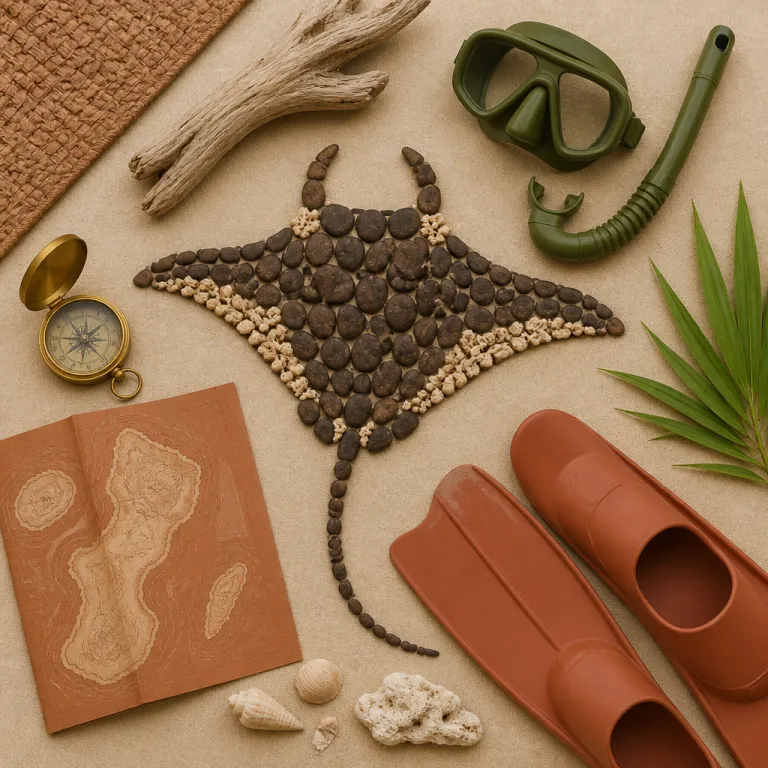
Why manta rays in the Yasawas belong on your Fiji short list
Swimming with manta rays in the Yasawas is the wildlife moment that quietly reorders how many couples think about Fiji. In a single slack tide, the manta ray and Yasawa Islands combination delivers something more intimate than any infinity pool, because you are drifting above a channel where plankton rich currents meet and the animals choose to come. For travelers used to polished resort stays in the south of the country, this northern chain of islands feels wilder, more elemental and far closer to the pulse of the sea.
The manta ray passage between Drawaqa Island and Naviti Island is the most reliable place in island Fiji for encounters, and it sits within a broader marine corridor where rays, reef sharks and turtles move with the tides. Here, mantas frequent the passage to feed on plankton, and that simple fact shapes everything from when you book your island resort to what time of day you head out by boat ride. Local tour operators and resort équipes time their snorkelling departures to the minute, using years of tide tables and on the water observations rather than marketing promises, and drawing on monitoring work by groups such as the Manta Trust and the Manta Project Fiji, which publish open summaries of seasonal patterns and identification catalogues.
For couples planning a once in a decade trip, the key is understanding that manta rays are wild animals, not a scheduled attraction. Are sightings guaranteed? Sightings are common but not guaranteed. That is why the smartest way to book is to treat manta encounters in the Yasawas as the centrepiece of a longer island day rhythm, where you also have time for reef snorkelling, a quiet beach, a south sea style sunset and a night under the Milky Way that feels very far from Port Denarau.
Season, tides and timing your manta ray stay
The Yasawa Islands work on a seasonal clock, and manta rays follow it more faithfully than any airline schedule. The dry season from May to October brings clearer water, calmer sea conditions and the plankton blooms that draw each manta ray into the narrow channels between islands. Average water temperature hovers around 26 °C, warm enough for long snorkelling sessions yet cool enough that mantas stay active and feed near the surface, according to regional climate data from the Fiji Meteorological Service and long term resort logs that align closely with Mamanuca and Yasawa sea temperature records.
Within that window, July and August are the sweet spot for manta focused Yasawa trips, when sightings in the manta channel near Drawaqa Island and around Naviti Island are most frequent. Local data shows a clear pattern; May often brings the first rays of the season, while October can still deliver excellent encounters but with slightly more variable sea and wind. Boat ride times from your island resort are usually short, yet operators still plan around slack tide, when currents ease and mantas circle cleaning stations on the reef rather than racing through the passage, a behaviour described in several Manta Trust field notes from the region.
Think in terms of days, not hours, when you book. Stay at least four nights in the Yasawa Islands if manta rays are a priority, which gives you multiple mornings and one or two afternoon windows in case weather or visibility shift. For couples combining an island Fiji manta trip with a villa stay on the mainland, this is where a smart split itinerary helps; you can base yourselves near Port Denarau for a few nights, using a guide like how to book a villa that works for everyone as a planning reference, then move north by sea cruises or seaplane when the forecast and tides align.
Where to stay: from barefoot manta channels to all inclusive hideaways
Choosing the right resort in Fiji is what turns a manta excursion into a seamless part of your stay rather than a rushed day trip. Properties closest to the manta channels in the Yasawa Islands have a structural advantage, because you can be in the water within minutes of a call from the lookout boat. That proximity matters when mantas appear suddenly on a rising tide and linger over the reef for less than an hour.
Barefoot Manta Island is the most straightforward base for manta encounters in the Yasawas, sitting directly beside the famed Manta Ray Passage between Drawaqa Island and Naviti Island. Guests can step from bure to boat in minutes, and the resort Fiji guides run multiple snorkelling departures on good days, adjusting to currents and visibility rather than forcing a fixed timetable. This is also one of the few places where marine conservation is woven into the daily programme, with briefings on manta identification, reef health and respectful behaviour before every island day trip, and data sharing with initiatives such as the Manta Trust and local reef monitoring projects; typical guided snorkels here sit in the mid range of Yasawa pricing, with manta trips often bundled into stay packages.
For couples wanting more privacy and a higher level of service, look to properties such as Paradise Cove or Yasawa Island Resort, which pair spacious villas with curated Yasawa adventures that include manta snorkelling, diving snorkelling on outer reef walls and quiet beach picnics. Transfers usually run via Port Denarau by high speed catamaran or seaplane, with return legs timed to connect smoothly with international flights in the south of Fiji. If you are curious about how the dry season shifts the feel of these properties, the guide to what actually changes at Fiji’s luxury resorts is a useful lens before you book.
From port Denarau to manta channels: transfers, cruises and day logistics
Most manta focused trips begin and end at Port Denarau, the mainland marina that functions as Fiji’s departure lounge for the Mamanuca and Yasawa Islands. Here, sea cruises fan out each morning towards the north and south, linking resort Fiji properties, village stays and day trip beach club experiences such as Malamala Beach. For couples, the choice is usually between a direct resort transfer by high speed catamaran, a more leisurely cruise style route with multiple stops or a seaplane hop that trades time at sea for aerial views of the reef.
If manta encounters in the Yasawas are the priority, minimise transit time and maximise nights in the islands. A typical pattern is to take a morning boat ride north, arrive at your island resort by early afternoon, settle in with a first snorkelling session on the house reef, then join the manta briefing that many properties run at night. On departure, aim for a mid morning return to Port Denarau, which leaves margin for any weather related delays in the south sea and still connects comfortably with evening flights.
Couples who prefer to keep one foot on the mainland can base themselves near Denarau and use curated Yasawa adventures that bundle transfers, manta snorkelling and a structured island day into a single product. These often include time at Malamala Beach Club or a stop at Kuata Island, where reef sharks are the headline act and the reef drops quickly into deep blue water. For a deeper sense of how community run lodges and island resorts differ from five star enclaves, the piece on when a community lodge beats a five star resort is essential reading before you book.
In the water with mantas: what the experience really feels like
The first time you slide into the sea above a manta channel, the scale is what catches you. A mature manta ray in Fiji can reach a wingspan of around 4 meters, yet in the water these rays move with a softness that feels almost choreographed. You float at the surface, breathing through your snorkel, while below you the mantas loop and bank over the reef in slow motion, mouths open to filter the plankton rich water.
Operators in the Yasawa Islands typically limit group sizes and keep snorkellers in a loose line along the edge of the channel, allowing the manta rays to pass freely between the reef and the open sea. Before you enter the water, guides will often address the same three questions; Is it safe to swim with manta rays? Yes, manta rays are harmless to humans. Do I need prior snorkeling experience? Basic snorkeling skills are recommended. Are sightings guaranteed? Sightings are common but not guaranteed. These briefings, combined with clear signals from the lead guide in the water, are what separate responsible manta encounters from crowded, stressful ones.
For couples used to diving, it can be tempting to ask for tanks, yet most manta experiences in the Yasawas are snorkelling only by design. Staying near the surface keeps bubbles away from the animals and allows you to move quickly if the rays shift to a different part of the channel. Many resorts pair the manta session with a second stop on a nearby reef for diving snorkelling, where you might see reef sharks, turtles and dense coral gardens in calmer water before heading back to the island resort for a late lunch on the beach.
Choosing the right operator and travelling responsibly
Not every manta trip in Fiji is created equal, and the operator you choose in the Yasawa Islands has a direct impact on both your experience and the animals. Look for resorts and tour companies that talk openly about marine conservation, publish clear guidelines and work with local communities on monitoring programmes. The best outfits treat manta encounters in the Yasawas as a privilege, not a commodity, and they are willing to cancel a session if currents, visibility or manta behaviour are not right.
On the water, responsible guides keep boats at a respectful distance from the main manta aggregation, brief guests thoroughly and enforce simple rules such as no chasing, no touching and no flash photography. They also manage the rhythm of the day; a short, focused snorkel with ten people in the channel is far better than a long, chaotic session with several boatloads of visitors. When you book, ask specific questions about maximum group size, how many manta trips run per day and whether the resort supports any local marine conservation initiatives or manta identification projects, such as photo ID catalogues that track individual rays over time and are often shared with regional databases run by groups like the Manta Trust.
Back on the island, small choices add up. Choose reef safe sunscreen, keep fins away from fragile coral on the house reef and support properties that invest in wastewater treatment and plastic reduction, not just glossy marketing. Many couples now pair a few nights at a higher end island resort with time at a simpler community run property, using curated Yasawa adventures to move between islands and deepen their understanding of how tourism revenue supports village schools, health posts and reef management. In the long run, that blend of comfort and conscience is what will keep manta rays gliding through these channels for future travellers.
Key figures for manta ray encounters in the Yasawa Islands
- Average water temperature in the Yasawa manta channels during the dry season is around 26 °C, which is warm enough for relaxed snorkelling without a thick wetsuit while still keeping plankton levels high enough to attract mantas (local climate data and Fiji Meteorological Service records that mirror long term resort monitoring logs).
- Manta rays seen in Fiji’s Yasawa Islands often reach a wingspan of about 4 meters, making them some of the largest marine animals that snorkellers can safely encounter without scuba gear (marine biology studies and Manta Trust field reports from the central Pacific).
- The main manta season in the Yasawa Islands runs from May to October, with a clear peak in July and August when plankton blooms and calm sea conditions align to increase the probability of sightings on any given day (regional tourism and marine monitoring data from resort logs and community projects).
- Most responsible operators in the manta ray passage limit group sizes to roughly 8–12 snorkellers per guide, a practice that reduces stress on the rays and improves in water safety and comfort for couples (operator guidelines and eco tourism standards used in the Yasawas and referenced in Manta Project Fiji briefings).
- Typical boat ride times from nearby island resorts such as Barefoot Manta Island or Paradise Cove to the main manta channels range from 5 to 25 minutes, which allows departures to be timed precisely with slack tide windows (local resort transfer schedules and operator timetables shared in pre arrival information).
FAQ about manta rays in the Yasawa Islands
Is it safe to swim with manta rays in Fiji’s Yasawa Islands ?
Yes, manta rays are harmless to humans. They have no stingers, no barbs and no interest in people, feeding only on microscopic plankton in the water column. The main safety considerations are sea conditions, boat traffic and your own snorkelling confidence, which is why travelling with a reputable operator and listening carefully to the briefing matters.
Do I need prior snorkelling experience for a manta trip ?
Do I need prior snorkeling experience? Basic snorkeling skills are recommended. You should feel comfortable floating in deep water, clearing your mask and breathing calmly through a snorkel while watching the rays below. If you are new to the sea, ask your resort for a practice session on the house reef or in the lagoon before joining a manta excursion.
Are manta sightings guaranteed during the season ?
Are sightings guaranteed? Sightings are common but not guaranteed. Even in peak months, mantas are free ranging marine animals that respond to currents, plankton levels and weather, so there will always be days when they do not appear in the channel. Booking several nights in the Yasawa Islands and staying flexible with your schedule gives you the best chance of a memorable encounter.
When is the best time of year to see manta rays in the Yasawas ?
The core manta season in the Yasawa Islands runs from May to October, aligning with Fiji’s drier, cooler months and more stable south sea conditions. Within that period, July and August usually offer the highest probability of manta encounters in the Yasawas, though early season days in May and late season days in October can still be excellent. Outside these months, mantas may still pass through, but sightings are far less predictable and most dedicated tours pause operations.
Should I choose a snorkelling or diving focused manta trip ?
Most manta encounters in the Yasawa Islands are designed as snorkelling experiences, because mantas often feed close to the surface and operators want to minimise bubbles and disturbance in the channel. Divers can still enjoy excellent reef walls, bommies and encounters with reef sharks and turtles on separate diving snorkelling or scuba dives before or after the manta session. If you are a confident diver, consider a mixed itinerary that includes both manta snorkelling and deeper reef exploration from your chosen island resort.