Why fiji resort dining now starts at an eight seat omakase counter
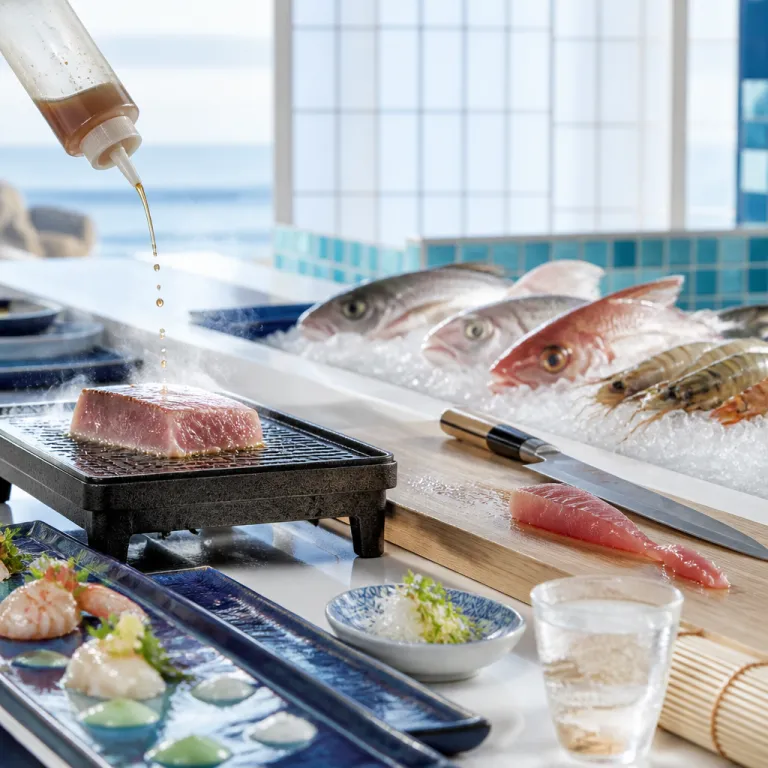
Fiji resort dining has shifted from buffet lines to chef led theatre. At Paradise Cove Resort on Naukacuvu Island, the Donu restaurant omakase counter is where that change feels most precise, with only eight seats facing an outdoor Japanese kitchen that works directly with local fishermen. For couples planning a stay in resort Fiji, this intimate dining experience can be the single reason to choose one island over another.
The setting is classic south Pacific romance rather than themed décor. You sit under a high thatched roof, the oceanfront breeze moving across the counter while the Executive Chef works with traditional Japanese knives and reef caught fish, and the view runs from the grill flames to the darkening lagoon. This is fiji resort dining as performance, but the experiences remain grounded in what the reef and the farm can actually provide that day.
Across the Yasawa Islands and beyond, restaurants Fiji wide are rethinking what a resort restaurant should be. Where lunch dinner once meant a predictable grill and a generic bar, properties now invest in serious kitchens, tight dining menus and clear dress code guidance that leans smart casual rather than formal. For travelers using a website to book a villa dining package or a room dining upgrade, the question is no longer whether you can enjoy a decent meal, but which dining experiences justify flying across the south Pacific in the first place.
Inside Donu: omakase, dress code and the rhythm of the reef
At Donu, the omakase format means you hand the evening to the chef. The team describes it simply and accurately in their own words : “What is omakase? Chef's choice multi-course meal.” With only ten courses and eight seats, this is not a casual add on to your stay but a focused dining experience that rewards guests who reserve early and communicate any special dietary needs in advance.
The dress code is smart casual, and the staff will gently remind you of that dress code when you confirm your booking. Think light linen, flat shoes for the sandy path and a code smart approach to resort polish rather than anything stiff, because the kitchen is serious while the island mood stays relaxed. Couples who enjoy fiji resort dining often appreciate this balance, where a clear dress code supports the sense of occasion without muting the bula warmth that defines Fijian hospitality.
Every course reflects the day’s catch and the garden’s best, not a fixed script. Line caught tuna might appear as a single perfect slice brushed with soy, while reef edge shellfish arrive barely warmed over a wood fired grill beside a handful of foraged sea greens. If you are mapping out where to eat using guides to Fiji’s best resort restaurants, this counter belongs on the same short list as the serious kitchens highlighted in Fiji’s best resort restaurants right now, especially for travelers who value precision over spectacle.
From fijian reef to Japanese knife: how the menu actually works
The power of this particular fiji resort dining room lies in its supply chain. Paradise Cove Resort works with local fishermen who bring in line caught fish and reef shellfish, while the resort farm supplies herbs, vegetables and citrus that shape the dining menus each evening. The Executive Chef then applies Japanese technique to these Fijian ingredients, creating dining experiences that feel rooted in place rather than imported from Tokyo.
Because the menu is seasonal and responsive, no two nights at the omakase counter are the same. One stay might feature a sequence of raw preparations that highlight the clarity of the fish, while another experience leans into wood fired elements, with collars and bones grilled over open flame and brushed with tare made from Fijian sugar and soy. Guests who enjoy a more traditional resort Fiji rhythm can still opt for lunch dinner at the main restaurant or bar, but the omakase counter is where the kitchen’s ambition is most visible.
This approach mirrors a broader shift across restaurants Fiji wide, where dock to dish and garden tours are replacing anonymous buffets. At other leading properties, you see it in lovo feasts that are not phoned in, like those examined in the guide to what a lovo actually tastes like, and in small dining rooms that treat Fijian herbs as seriously as imported spices. For couples planning a stay through a curated website book platform, paying attention to how each resort talks about its farm, its grill and its sourcing is now as important as choosing the right villa dining layout.
Beyond the counter: bars, clubs and room dining that respect the palate
Paradise Cove Resort understands that even the most dedicated food travelers do not want every meal to feel ceremonial. Around the property, you find a main restaurant with a relaxed bar, a poolside grill and thoughtful room dining options that extend the same ingredient standards into more casual formats. Couples can enjoy an unhurried lunch dinner with an oceanfront view one day, then retreat to private dining on their villa deck the next night.
The resort bar program has matured alongside the kitchen. Expect Fijian rum, island citrus and South Pacific botanicals rather than sugary clichés, with a club style lounge area where you can sit pre service and watch the light drop over the reef. For guests who enjoy fiji resort dining but also want space for quiet evenings, this mix of venues allows each stay to include both high focus dining experiences and easygoing nights with a simple grill plate or shared snacks.
Room dining has also evolved beyond the old tray of cloches. At Paradise Cove Resort, villa dining menus echo the main restaurant offers, including lighter options for guests with special dietary requirements and kid friendly dishes that create relaxed experiences kids can enjoy without leaving the room. When you compare restaurants Fiji wide, look for this consistency between the headline dining experience, the casual bar menus and the more private dining settings, because it signals a property that respects your palate at every price point.
Planning your stay: how to book, what to ask and where else to eat
Securing a seat at Donu’s omakase counter requires a little strategy. With only eight seats and ten courses, reservations are essential, and the resort recommends that you use the website to book your preferred night as soon as your stay is confirmed, then reconfirm the dress code and any special dietary needs with the team by email. When you plan your fiji resort dining schedule, consider spacing the omakase evening between more relaxed nights at the main restaurant or bar so the experience can stand alone.
Couples who enjoy golf often combine a few nights in the Yasawa Islands with a mainland stay near a Fiji golf course, using the city base for day trips and broader restaurant exploration. That pattern lets you sample different restaurants Fiji wide, from an Italian restaurant in Denarau that handles wood fired pizza properly to a club style grill near a fiji golf fairway, before flying out. If you are also planning time on Taveuni or Vanua Levu, it is worth reading practical guides such as the detailed look at diving Fiji’s Rainbow Reef, because the best dive resorts increasingly pair serious underwater experiences with equally serious dining experiences on land.
When you evaluate any resort Fiji option for a romantic trip, ask the same set of questions. How many restaurants does the resort operate, and do they publish current dining menus that show clear thinking about local sourcing and special dietary accommodation ? Does the property offer experiences kids can enjoy in separate spaces so adult guests can enjoy a quieter dining experience at the bar, the grill or the omakase counter without compromise ? The more precise the answers, the more likely you are to enjoy fiji resort dining that feels like a highlight rather than a tax you pay for the view.
FAQ
What exactly is served at the Donu omakase counter ?
The Donu omakase counter at Paradise Cove Resort serves a multi course Japanese style menu built around Fijian seafood and garden produce. The chef decides each course on the day, based on what local fishermen and the resort farm deliver, so no two dining experiences are identical. Expect a mix of raw, lightly cooked and wood fired dishes that showcase both Japanese technique and Fijian ingredients.
Do I need a reservation for the omakase dining experience ?
Yes, you must reserve in advance for the omakase counter because there are only eight seats per session. Guests are encouraged to use the resort website to book their preferred night as soon as their stay is confirmed, then reconfirm by email once on the island. Without a reservation, you will usually need to choose other restaurants Fiji wide or dine at the main resort restaurant instead.
Is there a dress code at Donu and around the resort restaurants ?
Donu operates with a smart casual dress code that suits the intimate counter setting. Guests are asked to avoid beachwear and to adopt a code smart approach, such as linen shirts, dresses and flat shoes suitable for sandy paths. Other resort Fiji venues, including the main restaurant, bar and grill, are slightly more casual but still encourage neat attire in the evenings.
Can the resort accommodate special dietary requirements at the omakase counter ?
The resort can usually accommodate special dietary needs, including allergies and preferences, if informed in advance. Guests should mention any requirements when they use the website to book and again when they check in, so the chef can adjust the dining menus without compromising the flow of the omakase experience. Last minute changes are harder at such a small counter, so early communication is essential.
How does Donu compare to other high end dining options in Fiji ?
Donu stands out within the broader fiji resort dining scene because it combines a very small seating capacity with a serious Japanese technique applied to Fijian seafood. Other leading restaurants Fiji wide, such as intimate dining rooms that focus on Fijian herbs or resort grills that work closely with local farms, offer different but complementary experiences. Many couples choose to include Donu as one highlight within a longer itinerary that also features an Italian restaurant, a club style bar and more casual lunch dinner spots across the islands.