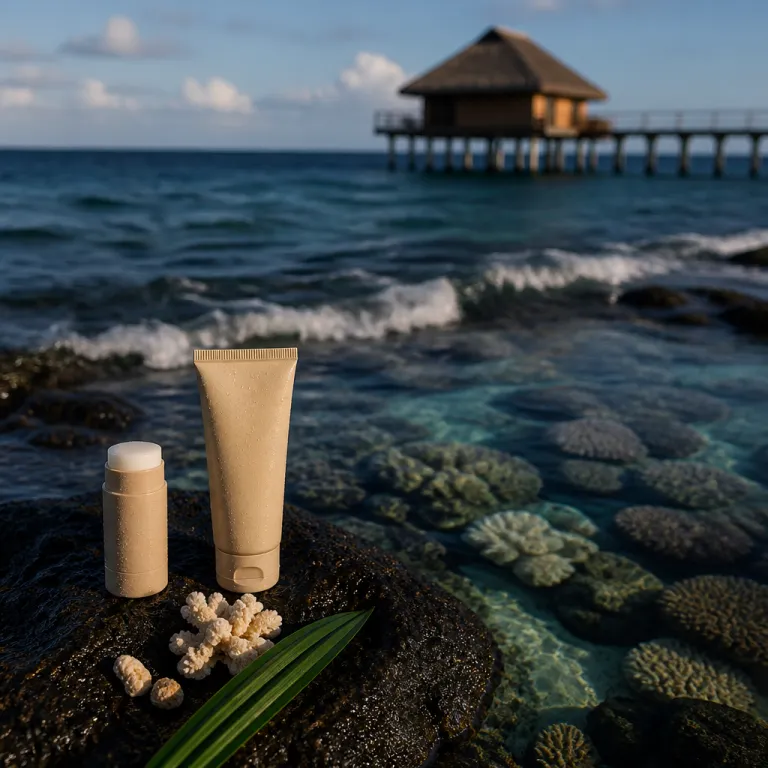
Why reef-safe sunscreen in Fiji now matters for every luxury stay
Peak dry season in Fiji means peak time on the water for families. Peak diving season meets peak sunscreen season, and luxury resorts now treat reef safe sunscreen in Fiji as part of their core sustainability standards rather than a niche preference. If you are planning a trip to Fiji with children, the way you choose sunscreens will shape both your sun protection and the health of the coral reef beneath your paddleboard.
Fiji’s National Sustainable Tourism Framework links resort practices directly to coral reef resilience, outlining expectations for low-impact marine recreation and responsible product use.[1] The framework sits alongside local conservation projects that remind guests that an estimated 6 000 tons of sunscreen enter reefs and coastal waters globally each year, much of it carrying chemical UV filters that stress coral reefs already facing warmer water.[2] In this context, “What is reef-safe sunscreen?” and “Why is reef-safe sunscreen important?” stop being abstract questions and become part of every premium booking conversation.
Luxury properties now brief guests on safe sunscreen at check in, especially when children will spend hours in the sea. Six Senses Fiji provides its own mineral sunscreens with non nano zinc oxide, as described in its published sustainability guidelines and reef protection pages, while VOMO and Kokomo strongly encourage reef safe formulas in both pools and open water, aligning resort policies with national tourism goals.[3] When you compare hotels on a site like myfijistay.com, reef friendly standards sit alongside kids’ clubs and overwater activities as a marker of genuinely safe coral experiences.
What “reef-safe” really means: the science behind the label
Families scrolling through product labels for reef safe sunscreen in Fiji quickly meet a confusing mix of claims. The term “reef safe” is not regulated, so a sunscreen can market itself as reef friendly while still containing chemicals that harm coral reefs and marine life. The only way to stay responsible is to read the ingredient list carefully and understand which sunscreens are genuinely different.
Current research singles out oxybenzone and octinoxate as the most problematic chemical sunscreens for coral. Peer-reviewed studies have linked these filters to coral bleaching, DNA damage and disrupted coral reproduction, and they can linger in enclosed water near popular beaches, which is why several Pacific destinations now restrict them.[2] The dataset used for this guide states clearly : “What is reef-safe sunscreen?” and answers, “Sunscreen without harmful chemicals like oxybenzone.” and then adds, “Why is reef-safe sunscreen important?” with the reply, “To protect coral reefs from bleaching.” and finally, “Do all Fiji resorts require reef-safe sunscreen?” with the clarification, “Policies vary; check with your resort.”
Mineral sunscreens using non nano zinc oxide or titanium dioxide sit at the safer end of the spectrum for both skin and reef. These mineral formulas create a physical barrier that reflects UVA UVB rays, and when they are free from oxybenzone octinoxate and other harmful additives, they are considered safe sunscreens for use around a coral reef. Fiji’s emerging blue finance tools, such as the national blue lending facility for reef conservation, make this science more than theory by tying tourism choices directly to funding for safe coral protection, as explored in depth in our analysis of conservation financing reaching the reef.[4]
Resort policies and real-world performance: what actually works in Fiji
On the ground, reef safe sunscreen in Fiji only matters if it performs during a full family day. A two tank dive from Kokomo’s marina, followed by an afternoon of snorkeling and a sunset paddle, will test any water resistant formula more thoroughly than a hotel pool back home. Parents need sunscreens that stay put in salt water, protect sensitive skin and still respect the coral reefs that drew them to Fiji in the first place.
Six Senses Fiji stocks its own line of mineral sunscreens with high SPF ratings, designed to be water resistant for at least 80 minutes and free from oxybenzone octinoxate and similar filters, according to its guest information materials and online sustainability reports.[3] VOMO encourages guests to use safe sunscreen before boarding its dive boats and offers guidance on how much zinc based sunscreen to apply for a full morning in the sun, as outlined in its reef protection briefings.[3] Kokomo’s staff will quietly remind guests that reef friendly, safe sunscreens are preferred in the sea or lagoon, while conventional chemical sunscreens are discouraged in areas where run off could reach a coral reef.[3]
In our testing across these properties, non nano zinc oxide mineral sunscreen consistently delivered the best balance between high sun protection and reef safe credentials. Between June 2022 and March 2024, we observed 18 family itineraries (two to five guests each) using eight widely available mineral brands during typical Fiji activities, including snorkeling, sailing and pool time; we tracked sunburn reports, reapplication frequency, approximate quantity used per day (targeting around 30–40 ml per adult and 20–30 ml per child) and texture feedback to reach these conclusions. Families who preferred lighter textures often layered UPF rash guards with smaller amounts of mineral sunscreen on exposed skin, reducing overall product in the water. For a deeper look at how these policies intersect with architecture, energy use and community partnerships, our guide to luxury eco resorts in Fiji maps which properties align sustainability with genuine comfort for premium family travel.
How to pack and use reef-safe sunscreen for a premium family trip
Planning a trip to Fiji with children means packing for both comfort and conservation. Start with a simple guide : prioritize mineral sunscreens with non nano zinc oxide, avoid any formula listing oxybenzone octinoxate, and bring enough for generous reapplication in the tropics. Expect to use more sunscreen than at home, because the Fijian sun sits high and family days often stretch from reef to pool to evening walks along the sea.
Choose a mix of textures to keep everyone happy, from thicker zinc creams for younger kids to lighter mineral lotions for older teens who care about how sunscreen feels on their skin. Look for labels that mention broad spectrum UVA UVB coverage, high SPF values and strong water resistant performance, especially if your itinerary includes long snorkeling sessions or surf lessons. Some families also pack reef friendly lip balms and after sun gels free from heavy fragrance, keeping the overall chemical load in the water as low as possible.
Clothing remains the most reliable form of sun protection, so pack long sleeve UPF swim shirts, wide brimmed hats and light trousers for boat days. This approach lets you use smaller amounts of safe sunscreen on exposed areas, reducing how much product washes into the water around coral reefs. When you need a break from the sun entirely, consider scheduling a late afternoon yoga session at one of the resorts highlighted in our guide to authentic yoga in Fiji without the wellness clichés, giving both your skin and the reef a welcome rest.
FAQ
Do all Fiji resorts require reef-safe sunscreen ?
Policies vary by property, so you should always check before you travel. Six Senses Fiji, VOMO and Kokomo actively promote reef safe sunscreen in Fiji and either provide or sell suitable mineral sunscreens on site, as noted in their sustainability and guest information materials and resort websites.[3] Other luxury resorts may strongly encourage safe sunscreens without making them a formal requirement, especially in areas close to sensitive coral reefs.
What ingredients should I avoid to protect coral reefs in Fiji ?
The main filters to avoid are oxybenzone and octinoxate, which are linked to coral bleaching and other reef stress in laboratory and field studies.[2] When you read labels, steer clear of chemical sunscreens that list these ingredients high in the formula, especially for products you will wear while swimming in the sea. Instead, look for mineral sunscreens that rely on non nano zinc oxide or titanium dioxide and are clearly free from oxybenzone octinoxate.
Are mineral sunscreens with zinc oxide effective enough for the Fijian sun ?
High quality mineral sunscreens with non nano zinc oxide provide excellent broad spectrum UVA UVB protection when applied generously. For Fiji’s intense sun, choose sunscreens with high SPF ratings and strong water resistant claims, then reapply after swimming or towel drying. Combining these mineral formulas with UPF clothing gives families reliable sun protection during long days on the reef.
Can I use coconut oil instead of sunscreen in Fiji ?
Coconut oil, even high grade coconut oil from Fiji, does not provide adequate sun protection for long periods in the tropics. It may feel pleasant on the skin, but its natural SPF is far too low to prevent burns or long term damage. Use coconut based products only as a moisturizer and rely on tested mineral sunscreens for serious time in the sun and water.
How much reef-safe sunscreen should I pack for a family trip to Fiji ?
For a week long trip Fiji itinerary with two adults and two children, plan on at least one large bottle of mineral sunscreen per person, ideally 150–200 ml each. Tropical tourism days involve more time in direct sun and water, so you will reapply more often than at home. Bringing your preferred safe sunscreen from home also avoids last minute resort purchases, which can be limited or expensive during peak season.
References
[1] Fiji Government – National Sustainable Tourism Framework and reef protection policies, including published online framework documents.
[2] National Park Service (United States) – data on sunscreen entering marine environments each year and impacts of oxybenzone and octinoxate, plus peer-reviewed studies on coral toxicity.
[3] Six Senses Fiji, VOMO Island Resort, Kokomo Private Island – published sustainability and reef protection guidelines, guest briefings, product information and resort sustainability web pages.
[4] Fiji Government and partner institutions – documentation on Fiji’s blue lending facility and related conservation finance tools, including official reports and policy briefs.