Why kokomo fiji reef restoration matters for luxury‑minded families
Kokomo Private Island Fiji sits on the edge of the Great Astrolabe Reef, one of the most biodiverse marine systems in the south Pacific. This is not just another island resort in Fiji promising vague sustainability initiatives ; it is a private island where kokomo fiji reef restoration is treated as core infrastructure, not marketing. For families choosing a luxury stay on an island in Fiji, the health of the surrounding reef and the integrity of the restoration project now matter as much as the size of the villa.
The kokomo fiji reef restoration story begins with a simple premise ; if coral reefs are the house, then every guest is a temporary custodian of the house reef. Climate change has already stressed corals across the south Pacific, so kokomo private island chose to focus its restoration project on heat tolerant kokomo coral fragments that can better withstand warming seas. That decision shapes everything from how marine biologists design the coral nurseries to how guests join guided coral planting sessions during their stay.
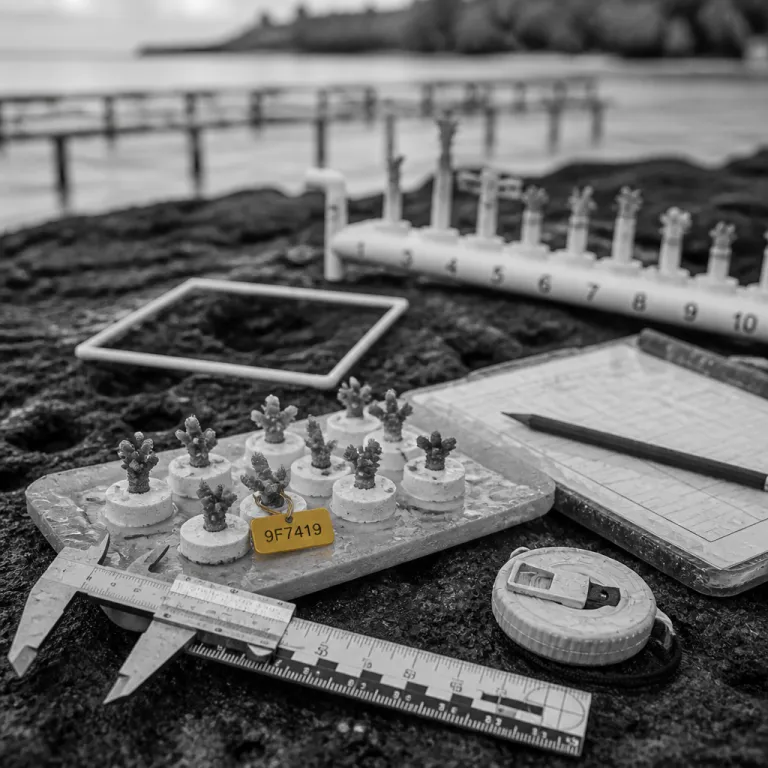
On Kokomo Private Island Fiji, the marine conservation work is led by the Kokomo Marine Biology Team based on Kadavu in the eastern division. Their restoration program uses three nursery styles — vertical tree frames, horizontal rope lines and cement disk nurseries — to grow thousands of corals before transplanting them back to the natural reef. For travelers comparing luxury resorts across island Fiji, this level of technical detail is a useful early sign that a coral restoration program is more than a photo opportunity.
Inside kokomo fiji reef restoration: how the science actually works
Walk down to the dock at Kokomo and you will see the reef restoration project before you even put on a mask. Just off the jetty, the team has installed coral nurseries in clear shallow water so guests can watch kokomo coral fragments swaying on tree structures and rope lines. This visibility is deliberate ; kokomo fiji reef restoration is designed so that marine science is part of the daily resort experience, not hidden behind a back of house door.
The process starts with marine biologists identifying resilient corals on the wider reef, carefully selecting fragments from colonies that have survived recent heat events. These fragments are attached to nursery structures in the lagoon, where controlled conditions allow faster growth and easier monitoring by the Kokomo Marine Department. Over time, the corals are transplanted to the house reef and nearby coral reefs, steadily increasing live coral cover and strengthening marine life habitats around the island.
Data is central to this restoration program, and that is where Kokomo stands apart from many luxury properties in Fiji. The team tracks how many corals are transplanted per season, how different nursery types perform and how fish communities respond to new coral planting sites. For travelers who care about genuine sustainability, this kind of measured marine conservation is the same level of rigor you should expect from any high end eco focused resort in the south Pacific, including leaders such as VOMO Island’s Coral Gene Bank and the regenerative projects at Six Senses Fiji highlighted in guides to luxury eco resorts in Fiji.
From photo‑op to participation: what guests actually do on kokomo private island
For many families, the first encounter with kokomo fiji reef restoration happens waist deep in warm water, coral fragment in hand. Under the guidance of a resident marine biologist, guests join small group sessions where they learn how to handle corals, attach them to nursery structures and understand why each species is chosen. Children tend to focus on the tactile thrill of coral planting, while adults often ask sharper questions about long term monitoring and the wider conservation efforts across island Fiji.
These guest activities are not staged once a week for marketing photographs ; they are woven into a broader marine conservation program that runs continuously. Between guest sessions, marine biologists clean algae from nursery frames, check for disease and log growth data, treating each coral nursery as a living laboratory. Families who return to the private island after a year can snorkel the same house reef sites and see their transplanted corals now part of a thriving patch of marine life.
Kokomo also frames reef restoration as one strand of a wider sustainability story that includes waste management, energy use and support for local communities in the south of Fiji. When you compare this with community led stays such as those explored in the analysis of when a village lodge can outperform a five star resort, you see how community based stays and private island properties can both contribute to marine conservation in different ways. The key for travelers is to look for resorts where coral restoration, cultural engagement and economic benefits for local villages are clearly linked rather than treated as separate initiatives.
How kokomo compares: VOMO, Six Senses, Sau Bay and the greenwashing test
Across Fiji, guest facing coral restoration programs have become almost standard at the upper end of the market. VOMO Island’s Coral Gene Bank now protects hundreds of coral genotypes in partnership with Counting Coral, while Six Senses Fiji on Malolo has planted tens of thousands of coral fragments on its surrounding reef. Sau Bay on Vanua Levu has taken a different path, earning a PADI Eco Center designation for its integrated approach to marine conservation and diver education.
So where does kokomo fiji reef restoration sit in this landscape of ambitious promises and glossy sustainability reports. The answer lies in transparency ; Kokomo publishes clear numbers on coral fragments grown in nurseries, corals transplanted to the reef and the survival rates observed by its marine biologists over multiple seasons. When a resort can show that its restoration project has expanded from a single nursery to multiple coral nurseries using vertical trees, horizontal ropes and cement disks, you are looking at a program built for the long term.
Families trying to avoid greenwashing should ask every luxury resort in Fiji the same set of questions before booking. Who leads your marine conservation work, and are they qualified marine biologists employed full time on the island. How do you monitor coral planting success, and can guests join activities that go beyond a single photo on the dock or a token dock dish themed cocktail ; these are the practical filters that separate marketing initiatives from serious conservation efforts, whether you are considering Kokomo, VOMO, Six Senses or a smaller property in the wider south Pacific.
Planning a family stay: questions to ask and signs of a serious reef program
When you plan a family holiday around kokomo fiji reef restoration, start by thinking about how your children engage with science. At Kokomo, the marine biology team runs age appropriate briefings that explain coral reefs as underwater cities, with each coral colony housing layers of marine life from tiny crustaceans to passing manta rays. This mirrors the junior marine biology programs at VOMO and the Maua teen program at Likuliku, where snorkelling, coral planting and even chocolate making are used to connect young guests with the ecology of island Fiji.
Before you confirm any booking, ask the resort to outline its restoration project in writing, including how long it has been running and what specific goals it tracks. A serious program will mention coral nurseries, monitoring schedules, partnerships with local or regional science bodies and clear data on how many corals are transplanted to the house reef each season. You should also ask how guests join activities, whether there are limits on group size and how the resort balances guest access with the needs of the reef and the wider marine life community.
It is also worth looking at how reef focused resorts handle other aspects of sustainability, from waste water treatment to staff training and transport logistics such as seaplane transfers and emerging options like self service check in for Fiji flights. A property that treats marine conservation seriously will usually apply the same discipline to energy use, supply chains and its relationships with local villages in the south of Fiji. For families, this joined up approach means your stay on a private island can support both coral restoration and community resilience long after you have flown home.
What kokomo fiji reef restoration tells us about the future of luxury in Fiji
Luxury travel in Fiji is shifting from passive indulgence to engaged stewardship, and kokomo fiji reef restoration is one of the clearest expressions of that change. On Kokomo Private Island, the ability to step off your villa deck and swim over a recovering reef is now as much a marker of luxury as a private pool or a long wine list. Families who choose to spend part of their holiday on coral planting or reef monitoring are not sacrificing comfort ; they are redefining what a high end island experience in the south Pacific looks like.
The Kokomo Marine Biology Team describes their work in simple terms that resonate with guests of all ages ; "Participate in restoration activities. Learn about marine conservation. Support sustainable tourism." Those three sentences capture the arc from individual action to collective impact, showing how a single coral fragment planted on a nursery tree can contribute to the resilience of an entire reef system. When a resort can connect that narrative to measurable outcomes, such as thousands of corals transplanted and visible increases in fish life on the house reef, it earns genuine authority in the sustainability space.
For travelers using myfijistay.com to compare resorts across island Fiji, the lesson is clear. Ask for detail on coral restoration methods, look for on site marine biologists and favor properties where conservation efforts are integrated into daily operations rather than treated as optional extras. In the next decade, the most sought after private island stays in Fiji will be those where kokomo coral style programs are standard, where every guest can contribute to the reef’s recovery and where the true measure of luxury is the health of the marine life just beyond the shore.
FAQ: kokomo fiji reef restoration and family stays
How can guests participate in kokomo fiji reef restoration during their stay ?
Guests can join guided coral planting sessions led by the Kokomo Marine Biology Team, usually scheduled several times a week in calm conditions. During these activities, you help attach coral fragments to nursery structures and learn how the team later transplants them to the natural reef. Participation is suitable for confident swimmers, and children can join with parental supervision.
What nursery methods does Kokomo use for its coral restoration project ?
Kokomo uses three main nursery types to grow corals before transplantation. Vertical tree nurseries suspend coral fragments in the water column, horizontal rope nurseries stretch lines between anchors and cement disk nurseries secure fragments on small bases placed on the lagoon floor. Using multiple nursery styles allows the marine biologists to test which methods work best for different coral species and conditions.
Why does Kokomo focus on heat resilient corals in its program ?
The resort prioritizes heat tolerant coral colonies because rising sea temperatures are one of the biggest threats to coral reefs in Fiji and across the south Pacific. By selecting fragments from corals that have already survived bleaching events, the team increases the chances that new transplants will cope better with future heat waves. This approach supports long term reef resilience rather than short term cosmetic improvements.
Is kokomo fiji reef restoration suitable for young children and teens ?
Yes, the program is designed with families in mind, and staff adapt explanations and activities to different age groups. Younger children often start with shallow water sessions and simple observations of marine life, while teens may join deeper snorkels and more detailed briefings on marine conservation. The resort’s approach is similar in spirit to junior marine biology programs at other Fijian properties, making reef science accessible and engaging.
How can I tell if a resort’s reef program is genuine or just greenwashing ?
A credible program will have named marine biologists on staff, clear data on corals grown and transplanted, and transparent explanations of nursery methods and monitoring. You should be able to ask for details about the restoration project’s goals, timelines and partnerships with local or regional science organizations. If a resort cannot answer these questions or only offers one off photo opportunities, it is likely focusing on marketing rather than meaningful conservation.