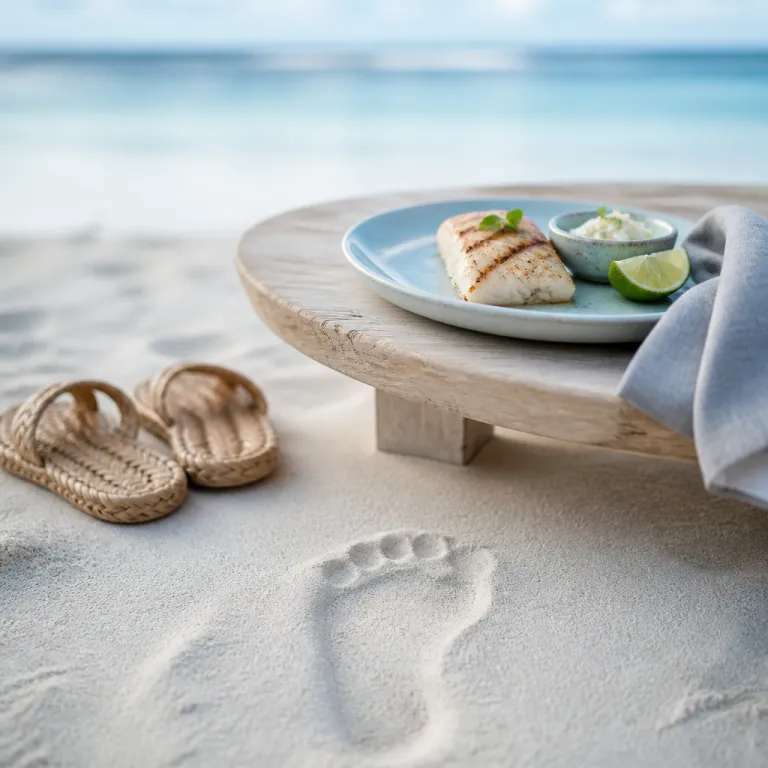
Fine dining in Fiji, redefined at the water’s edge
Fine dining in Fiji feels different the moment your shoes come off. On many island resort decks, the sand is your carpet and the Pacific is your dining room, which quietly resets expectations about what a luxury restaurant should be. When couples arrive from Nadi or Denarau Island, they often realize that the most refined dining experience here is measured in tide times, not dress codes.
Across Fiji resorts, chefs lean into this barefoot ease while keeping standards high. Tourism Fiji’s 2023 International Visitor Survey reports food and beverage satisfaction scores above 90% for many leading properties, and a growing share of resorts now offer some form of relaxed, shoes-optional dining to honor Fijian customs and enhance guest comfort. That balance between informal ritual and precise technique is what makes fine dining Fiji so compelling for travelers choosing between a beach resort, an island resort, or a more traditional resort spa stay.
Resorts such as Barefoot Manta Island and Matangi Private Island Resort have built their reputations on open air decks where Fijian and international dishes share the same menu. You might sit at a simple bar grill table, yet the food arrives with the finesse you expect from a serious Marriott resort or an urban grill bar in Hunter Valley. As one executive chef at a Mamanuca Islands property explained in a Tourism Fiji interview, “Guests might be barefoot, but the standards in the kitchen are as strict as any city restaurant.” The result is a style of dining where the experience feels private and intimate, but the expectations for seafood, produce and service match the best hotels anywhere in Fiji.
From Likuliku Lagoon to VOMO: where chefs lead with the reef
On Malolo Island, Likuliku Lagoon Resort has quietly become a reference point for fine dining Fiji conversations. Its signature restaurant treats the lagoon as both pantry and backdrop, with a menu that moves from just caught reef fish to wood fired grill dishes in a few elegant steps. Couples staying in a beachfront room quickly understand that the real luxury here is not the overwater setting, but the way the kitchen listens to the tides and plans menus around the daily catch.
Likuliku Lagoon also runs Saluwaki, a 28 seat concept restaurant where Fijian herbs meet Asian inspired small plates in a series of tightly composed dishes. This is where the barefoot dining experience becomes almost theatrical, as plates arrive in a precise sequence while you sit in linen, not leather, and the only background noise is the bar team shaking a rum cocktail. For travelers comparing Fiji hotels, this level of culinary ambition places Likuliku alongside the best Fiji resort addresses on Denarau or the Coral Coast, yet the atmosphere stays resolutely island casual.
Further north, VOMO’s post renovation restaurant has earned a reputation for some of the best food in Fiji, with a chef driven approach and a focus on locally sourced ingredients that rivals specialist counters such as the omakase counter at Paradise Cove, where Japanese technique meets Fijian seafood in remarkable detail. Here, the executive chef might plate a single coral trout collar from the grill next to a salad of just picked island greens, then send you to the beach bar for a final nightcap. Expect tasting menus or chef’s selections to sit in the mid to upper price range for Fiji, and book special dinners at least a day in advance through the concierge or resort app. It is a reminder that in Fiji, the line between restaurant, bar grill and beach club is porous, and that is precisely why the dining experience feels so alive.
Six Senses, Namale and the rise of the barefoot tasting menu
On Malolo’s western side, Six Senses Fiji has taken the barefoot idea and built an entire culinary philosophy around it. Three distinct restaurants share a commitment to fresh, organic, locally produced ingredients, with the executive chef orchestrating everything from breakfast smoothie bowls to multi course dinners that would not look out of place in a major city. Here, fine dining Fiji often means tasting menus served under a thatched roof, with your feet in the sand and your wine glass catching the last light over the island.
Six Senses Fiji works closely with local fishermen, organic farmers and Fijian artisans to keep the food narrative grounded in place. Open air dining areas, beachfront settings and sustainable practices are not marketing lines but daily operating choices, and they help explain why guest satisfaction ratings remain so high across the resort. For couples booking through a curated platform such as myfijistay.com, this kind of detail matters more than whether the room has the latest tech, because the dining experience often defines the entire stay. myfijistay.com may receive commission on some bookings, but its resort and restaurant recommendations are based on independent reviews and on-the-record feedback from guests and staff.
On Vanua Levu, Namale Resort offers a different expression of barefoot luxury, with cliff edge decks and a resort spa that encourages you to move seamlessly from treatment to table. At Namale, the restaurant team might arrange a private dinner in a candlelit cave, or set a table beside a waterfall, turning a simple sequence of dishes into a deeply personal dining experience. According to a Namale food and beverage manager quoted in resort materials, “We want guests to feel like the island is setting the menu, not the other way around.” When you read roundups of Fiji’s best resort restaurants, such as the guide to where the chefs earn their salt on myfijistay.com, Namale Resort and Six Senses Fiji consistently appear because they prove that formality is optional, but precision is not.
Sandbank dinners, clifftop tables and why no shoes works
Some of the most memorable fine dining Fiji moments happen far from the main restaurant. Many island resorts now offer sandbank dinners, where a tidal sandbar becomes a temporary dining room set with linen, lanterns and a discreet bar, then disappears again with the rising sea. Couples are ferried out by small boat, step barefoot onto the sand and sit down to a multi course menu that feels both private and quietly theatrical.
Clifftop tables and overwater platforms offer similar drama, especially along the Coral Coast and around Momi Bay, where properties such as Warwick Fiji and the Fiji Marriott Resort Momi Bay use their natural topography as a stage. Here, the executive chef might design a grill focused menu that leans on local beef, reef fish and Fijian root vegetables, cooked over open flame while the sky shifts through every shade of pink. These experiences are not limited to ultra remote islands; even Denarau Island resorts and larger beach resort complexes now experiment with pop up bar grill concepts on the sand. Prices for private sandbank or clifftop dinners are typically quoted per couple and must be reserved in advance, with weather, tides and boat transfers clearly explained at the time of booking.
Why does the no shoes rule work so well in these settings? The Fijian custom of leaving shoes at the door creates an immediate sense of ease, which in turn makes the food feel more generous and the service more genuine. Resorts maintain strict hygiene standards, with decks raked or washed before service and clear pathways to keep feet safe and comfortable. When your ingredients were swimming that morning and your dining room is the Pacific, formality becomes the wrong metric, and the real measure of luxury is how completely the resort, the restaurant and the bar team manage to slow your breathing between courses.
Planning a culinary focused stay: where to book and what to expect
For couples planning a trip, the first decision is which part of Fiji will frame your meals. Nadi and Denarau work well if you want easy transfers, a choice of hotels and access to both resort spa facilities and off property dining, including casual grill bar venues and more polished restaurants. If your priority is a fully immersive dining experience, an island resort such as Likuliku Lagoon, VOMO, Namale Resort or Six Senses Fiji will usually deliver more memorable food and more inventive barefoot settings.
When comparing Fiji resort options, look beyond room categories and focus on how the property talks about food. Study the sample menu, ask how often dishes change, and check whether the executive chef is on site year round or rotates seasonally between properties in places like Hunter Valley or other international hubs. Resorts that highlight relationships with local fishermen and farmers, or that mention traditional Fijian recipes cooked in a lovo earth oven, tend to offer richer, more grounded dining experiences. It is also worth asking whether special dinners, such as sandbank feasts or omakase counters, require prepayment or have limited seating.
Do not overlook how spa culture intersects with gastronomy either, especially if one of you is spa shy; guides such as the overview of spa days in Fiji that work for travelers who do not like spas on myfijistay.com show how a morning treatment can flow into a long lunch at a beach club or bar grill. On the Coral Coast and around Denarau Island, larger beach resort and Marriott resort complexes often pair their spa with a signature restaurant and a more relaxed bar, giving you options from sunrise coffee to late night cocktails. Across Fiji, the best hotels understand that couples are not just booking a room, but a sequence of meals, drinks and small rituals that turn a simple holiday into a lasting memory.
FAQ
Why do Fijian resorts encourage barefoot dining ?
Resorts across Fiji encourage barefoot dining to honor local customs and enhance guest comfort. The Fijian tradition of removing shoes indoors translates naturally to open air decks, beach restaurants and sandbank dinners. This relaxed approach helps guests feel at ease while still enjoying a refined dining experience with high hygiene and service standards.
Is barefoot dining hygienic in resort restaurants ?
Yes, barefoot dining in Fiji resorts remains hygienic because properties maintain strict cleanliness protocols for all dining areas. Floors, decks and beach pathways are cleaned frequently, and food safety practices in the kitchen match international hotel standards. Guests who prefer to wear shoes can usually do so, but it is always wise to check the specific policy of your chosen resort.
Can I still dress up for fine dining in Fiji ?
You can absolutely dress up for dinner, even when the dress code is no shoes required. Most luxury hotels and island resorts suggest relaxed resort wear, such as linen for men and light dresses for women, which suits the tropical climate and open air settings. The focus is on feeling comfortable and respectful rather than following a formal jacket and tie code.
Which areas of Fiji are best for food focused stays ?
Travelers who prioritize food often look first at Denarau Island, the Mamanuca Islands and the Coral Coast, where many leading resorts cluster. Properties such as Likuliku Lagoon Resort, VOMO, Six Senses Fiji, Namale Resort, Warwick Fiji and the Fiji Marriott Resort Momi Bay are frequently praised for their dining programs. Nadi and Denarau also offer easier access to multiple hotels, bars and restaurants if you enjoy exploring different venues during one trip.
Do Fiji resorts cater to dietary requirements during barefoot dinners ?
Most luxury resorts in Fiji are well equipped to handle dietary requirements, even in remote sandbank or clifftop dinner setups. Guests are usually asked to share preferences and restrictions when booking, so the executive chef can design a menu that respects those needs without compromising on flavor. Communicating clearly before arrival ensures that your barefoot dining experience feels both indulgent and worry free.