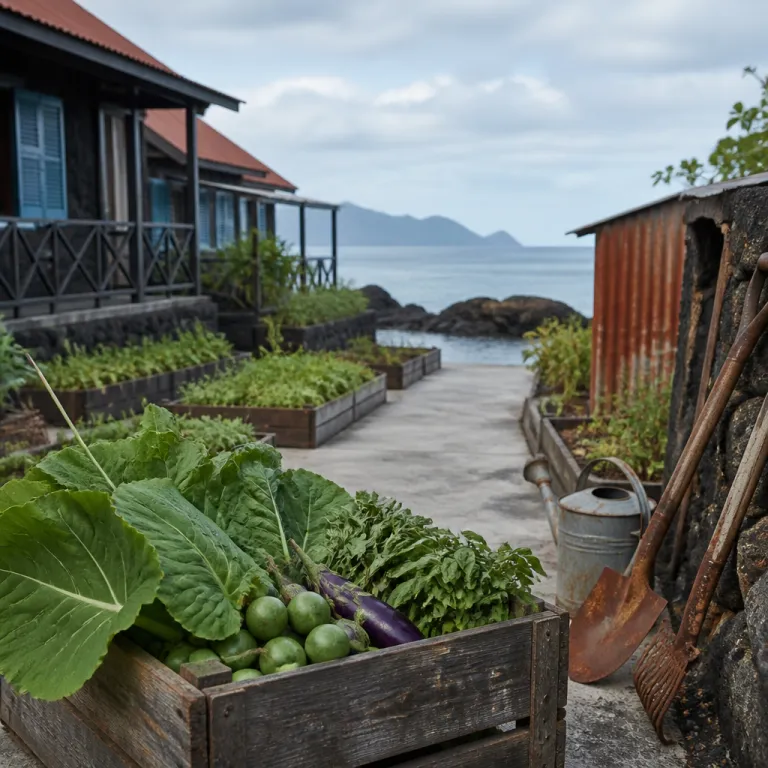
Why a farm to table Fiji resort feels different in the South Pacific
On a remote island in Fiji, the idea of a farm to table Fiji resort is not a lifestyle trend, it is logistics. When your nearest wholesale market sits thousands of kilometres away across the South Pacific, sustainable farming and tight relationships with local growers become the only way to guarantee fresh flavour. That reality shapes every dining experience, from the first plate of tropical fruit at breakfast to the last spoonful of coconut dessert under the stars.
Resorts that take this seriously treat the farm as the quiet heart of the property, not a marketing photo stop. Chefs walk the rows at dawn, checking island grown vegetables herbs and tasting seasonal produce while fishermen unload caught fish still bright from the ocean. The result is table dining that feels intensely local, where guests enjoy menus that change daily because the grown produce and seafood simply do not arrive on a truck.
For couples choosing where to stay, this is where luxury and ethics align. A true farm table philosophy means the resort can source produce grown locally, reduce food miles and support sustainable agriculture in nearby villages. It also means your plate tells a Fijian story, from lovo traditional cooking to the subtle taste of edible flowers scattered over a salad that was harvested only hours earlier.
Namale and Six Senses: chef driven farms with an ocean view
On Vanua Levu, Namale Resort & Spa has turned its chef’s gardens into a working farm that quietly powers the entire dining experience. Spread across more than 525 acres of lush land, the resort integrates sustainable farming and careful farming practices with a daily ritual of walking the rows before service. The kitchen team plans each table dining menu around what the farm can offer that day, then layers in caught fish from nearby reefs and island grown tropical fruit.
Breakfast might feature just picked vegetables herbs folded into an omelette, while lunch leans into grown locally salad greens, grilled seafood and a bright dressing perfumed with edible flowers. By dinner, the farm to table Fiji resort philosophy becomes fully visible as chefs design a multi course dining experience around seasonal produce, from root vegetables roasted in a modern nod to lovo traditional cooking to a dessert that celebrates Fijian cacao. Guests enjoy the sense that every plate reflects the land and the ocean in real time, not a fixed hotel menu.
Over in the Mamanucas, Six Senses Fiji applies the same rigor with a slightly different rhythm. Executive Chef Winston Fong runs an extensive organic garden, pairs it with line caught fish and leans into sustainable agriculture and zero waste thinking. Garden walks and informal farm tour experiences are built into the activity schedule, so couples can see how the resort source produce, then later sit at the farm table and taste those same ingredients beside the infinity pool or at a more intimate chef’s counter, much like the omakase style Fijian seafood focus explored in this deep dive into Japanese technique meeting Fijian seafood.
Sheraton Fiji and Matangi: from farm tour to lovo traditional feasts
On Denarau, Sheraton Fiji Golf & Beach Resort has quietly built one of the country’s most ambitious on site farms. The five acre farm now yields around 5,000 kilograms of fresh produce every month, enough to anchor a genuine farm to table Fiji resort approach across multiple restaurants. Couples can join a guided farm tour, walk through rows of island grown vegetables herbs and learn how sustainable farming and hydroponics reduce reliance on imported ingredients.
The real magic happens when those ingredients meet fire and earth in a Fijian lovo. Sheraton’s farm to fork programme often culminates in lovo traditional cooking sessions, where root vegetables, seafood and meats are wrapped, buried with hot stones and left to slowly steam. The taste is smoky, deeply Fijian and surprisingly delicate, a world away from buffet style interpretations that some properties still serve, a contrast explored in detail in this guide to what a lovo actually tastes like.
Further east, Matangi Private Island Resort runs a quieter but equally committed operation. Here, daily menus are built around line caught walu and other seafood, paired with grown produce from the island’s gardens and seasonal produce sourced from nearby farmers. Guests enjoy all inclusive dining where the farm table concept is not shouted about, yet every plate of fresh tropical salad or ocean to grill caught fish tells you the ingredients were grown locally or pulled from the water that morning.
How “local” really works: farmers, fishermen and Fijian lovo traditions
Behind every polished resort dining room in Fiji sits a network of iTaukei farmers and fishermen whose work makes the farm to table Fiji resort model possible. On Taveuni, at Taveuni Island Resort, the kitchen relies on an organic farm of around four acres, then supplements that grown produce with island grown root crops and vegetables herbs from neighbouring communities. Similar patterns play out at Jean Michel Cousteau Resort and Kokomo Private Island Fiji, where sustainable agriculture and traditional farming practices are woven into daily operations.
These relationships are not abstract sustainability talking points, they are practical agreements shaped by weather, tides and soil. When the ocean is rough, chefs lean harder on the farm table side of the equation, building menus around cassava, taro, papaya and edible flowers that were grown locally. When conditions are calm, fishermen bring in caught fish before sunrise, and the dining experience shifts toward seafood, from kokoda (Fijian ceviche) to grilled fillets served with a squeeze of lime and a side of lovo traditional root vegetables.
Traditional Fijian lovo cooking remains the most vivid expression of this local loop. A proper Fijian lovo uses firewood from the land, stones from the island, seafood and meats from the ocean and vegetables herbs from the farm, all sealed underground to steam slowly. Guests enjoy not just the taste, but the sense that every element of the meal, from the smoky taro to the tender fish, reflects sustainable farming and island grown abundance rather than imported convenience.
Choosing your farm to table Fiji resort: what to ask before you book
For couples scrolling through glossy photos, it can be hard to tell which properties truly operate as a farm to table Fiji resort and which simply garnish plates with a few herbs. Start by asking very specific questions about the farm itself, such as how many acres are under cultivation, which vegetables herbs are grown locally and how much of the resort’s daily produce comes from on site gardens. Properties like Sheraton Fiji Golf & Beach Resort, Kokomo Private Island Fiji and Taveuni Island Resort are transparent about their farm sizes and yields, a strong indicator that sustainable agriculture is more than a slogan.
Next, dig into how the kitchen uses that grown produce in the actual dining experience. Ask whether menus change daily based on seasonal produce, how often chefs adjust dishes to reflect what the farm table can provide and whether caught fish from local waters is a staple rather than an occasional special. A resort that can explain its farming practices, name the villages that source produce and describe how Fijian lovo nights are organised is usually one where guests enjoy genuinely local food rather than generic South Pacific buffets.
Finally, consider how the culinary programme fits into the wider stay. Some couples want long lunches by the infinity pool with light tropical salads and grilled seafood, others prefer more structured table dining with wine pairings and chef’s tasting menus. Either way, the most rewarding farm to table Fiji resort stays are those where the farm tour, the ocean to plate caught fish and the island grown vegetables herbs all feel seamlessly integrated into your days, not bolted on as a single themed dinner.
Beyond the plate: wellness, spa rituals and slow island days
Food might be the headline, but the best farm to table Fiji resort stays weave that same respect for place into wellness and downtime. Many properties pair their chef’s gardens with spa menus that use coconut oil, tropical herbs and even edible flowers grown locally, blurring the line between what nourishes the body and what scents a massage room. It is a natural extension of sustainable farming, where the farm table supports both the dining experience and the spa’s sense of grounded calm.
Couples who are not usually spa people often find Fiji a gentle place to experiment with slower rituals. A morning farm tour followed by a light lunch of seasonal produce and seafood, then an afternoon treatment and a quiet hour by the infinity pool can feel more restorative than a packed excursion schedule. If you are unsure where to start, this guide to spa days in Fiji that work for travellers who do not like spas offers a useful framework for building in rest without losing the sense of island adventure.
Evenings tend to slow down further, with table dining that leans into the romance of the South Pacific sky. Guests enjoy long conversations over plates of caught fish, island grown vegetables herbs and thoughtfully plated grown produce, often with a view back toward the dark silhouette of the farm that made dinner possible. It is here, between the ocean breeze and the quiet clink of cutlery, that the full farm to table Fiji resort philosophy becomes clear, turning simple ingredients into a deeply Fijian experience.
Key figures behind Fiji’s farm to table resort movement
- Sheraton Fiji Golf & Beach Resort’s on site farm produces around 5,000 kilograms of fruit and vegetables each month, a scale that allows the resort to base multiple restaurant menus on farm table principles rather than imported goods (data reported by FBC News).
- Kokomo Private Island Fiji dedicates approximately 5.5 acres to its organic farm, giving chefs a wide palette of island grown produce, vegetables herbs and tropical fruit to build daily changing menus around (figures shared by the resort).
- Taveuni Island Resort operates an organic farm of roughly four acres, which supplies a significant share of the resort’s fresh ingredients and underpins its reputation for a genuinely local dining experience (information from the resort’s own reporting).
- Across these properties, the combination of on site farms, chef’s gardens and partnerships with local farmers reduces food miles substantially, supporting sustainable agriculture while giving guests enjoy access to fresher, more flavourful ingredients.
FAQ: farm to table dining in Fiji’s luxury resorts
Which Fiji resorts offer farm to table dining?
Resorts leading the farm to table Fiji resort movement include Sheraton Fiji Golf & Beach Resort on Denarau, Kokomo Private Island Fiji, Taveuni Island Resort, Namale Resort & Spa and Jean Michel Cousteau Resort. Each operates its own farm or chef’s gardens and supplements that grown produce with ingredients sourced from local farmers and fishermen. Guests enjoy dining experiences where seasonal produce, seafood and Fijian lovo traditions are central rather than occasional themed nights.
What is farm to table dining in the Fijian context ?
Farm to table dining in Fiji means that most ingredients on your plate come directly from an on site farm or nearby island grown suppliers, often harvested the same day. Chefs design menus around what the farm table and the ocean can provide, from vegetables herbs and tropical fruit to caught fish and root crops for lovo traditional cooking. This approach reduces food miles, supports sustainable agriculture and delivers a fresher, more distinctly Fijian taste.
Why is farm to table dining popular in Fiji ?
Farm to table dining is popular in Fiji because it offers fresh, organic meals and supports local agriculture, enhancing the guest experience. The country’s geography makes importing everything impractical, so sustainable farming and close relationships with local producers are both an environmental choice and a logistical necessity. For travellers, that translates into more flavourful food, deeper cultural connection and a clearer sense of where each ingredient comes from.
How can I tell if a resort is genuinely farm to table ?
A genuine farm to table Fiji resort will be able to explain its farming practices, share details about farm size and yields and describe how often menus change based on seasonal produce. Look for properties that offer a farm tour, highlight island grown vegetables herbs and name the villages or fishermen who source produce and seafood. If the resort can connect specific dishes to its own farm or to nearby growers, the farm table philosophy is likely real rather than decorative.
Do farm to table resorts cater well to dietary requirements ?
Resorts with strong farm to table programmes usually handle dietary requirements very effectively, because chefs work closely with the farm and can adjust dishes around available grown produce. Vegetarian, vegan and gluten free guests enjoy menus built on vegetables herbs, legumes and tropical fruit, while pescatarians benefit from abundant caught fish and other seafood. It is still essential to communicate your needs in advance, but the flexibility of daily changing menus often makes accommodation easier than at more rigid properties.