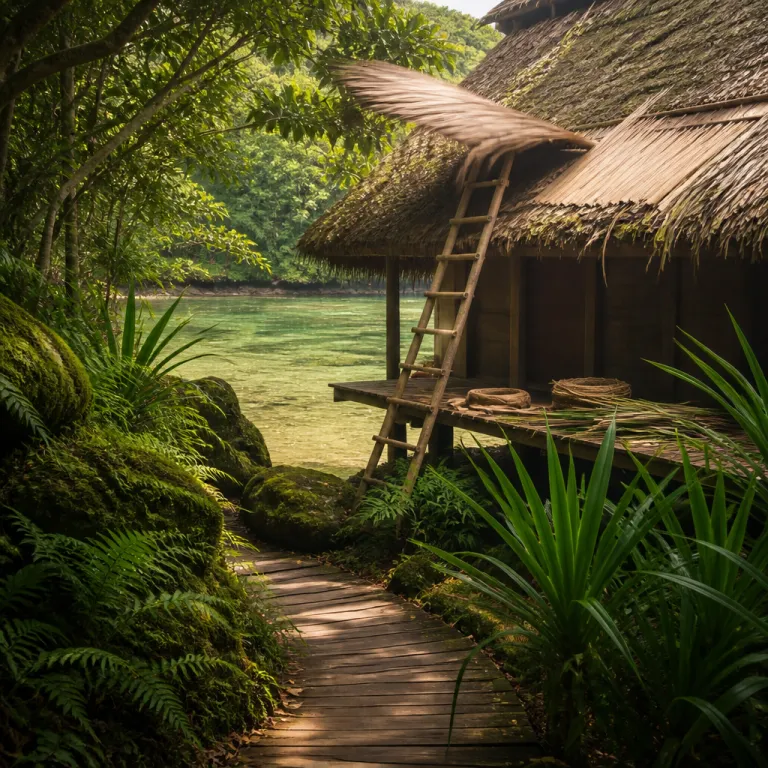
Kadavu Fiji: a quieter island for solo luxury travelers
Kadavu Fiji travel for solo luxury seekers who want the edge

Kadavu sits quietly in the South Pacific, Fiji’s fourth-largest island and almost the opposite of Denarau’s polished resort corridor. For solo travelers planning a more immersive Fiji escape, this island offers a rare mix of raw nature, traditional Fijian culture and just enough comfort to feel curated rather than castaway. You arrive and realise this is the kind of place that rewards those who value silence, reef and real people over swim-up bars.
On the map, Kadavu Island lies south of the main island of Viti Levu, a short hop from the Fiji capital yet a long way in spirit from Nadi’s resort strip. The island group here includes Kadavu and its satellite islets, wrapped by the Great Astrolabe Reef, widely described by Tourism Fiji as one of the world’s largest barrier reefs and the main reason many divers put Kadavu on their itinerary in the first place. With extensive original rainforest still cloaking much of the interior and most villages hugging sea-level coastlines, the landscape feels almost pre-resort Fiji.
Infrastructure is intentionally limited, which shapes every decision about accommodation and activities. There is no road circling the island, so you move by boat between small jetties, villages and the few eco-focused properties that count as the closest thing to luxury resorts Kadavu currently offers. For the right solo explorer, that lack of choice is the real luxury because it filters out mass tourism and keeps the culture Fiji shows here unusually intact.
Getting to Kadavu from Suva and choosing your side of the reef
Most travelers start their Kadavu journey in Suva, the Fiji capital on the main island, then connect by small plane or local boat. Domestic flights from Suva to Kadavu are operated by Fiji Link and usually take around 30 to 40 minutes when schedules align, but services are limited to a few departures a week, so you will want to lock flights before you even think about specific accommodations on the island. Once you land on Kadavu, the real journey begins with narrow coastal roads that quickly give way to boat transfers skimming along the reef edge.
Because there is no ring road, every serious stay on Kadavu Island is anchored to the sea, and your chosen accommodation will usually arrange the boat ride from the airstrip or nearest jetty. Properties such as Matava Eco Adventure Resort and Oneta Resort sit on remote bays, facing either the outer reef or more sheltered beaches Kadavu is known for among divers and kayakers. This is not five-star in the conventional sense, but for many luxury travelers the combination of privacy, reef access and attentive Fijian hosts feels richer than a long list of amenities.
When you compare a Kadavu escape with other emerging destinations like Savusavu, which now has its own collection of luxury escapes and premium resorts, the difference is stark. Savusavu leans into polished marinas and hot springs, while resorts on Kadavu lean into off-grid power, traditional Fijian-style bures and village partnerships that keep culture Fiji centred in the guest experience. If you want a place where the main soundtrack is reef, rain and the occasional church choir drifting across the water, Kadavu is the better fit.
Where to stay on Kadavu island when luxury means less, not more
Accommodation on Kadavu is limited, so planning a stay here starts with deciding how far off-grid you are comfortable going. Matava Eco Adventure Resort is solar powered, set above the shoreline with bush bures that trade air conditioning for sea breezes, reef views and the kind of night sky you rarely see on the main island. Oneta Resort, tucked into a remote bay, offers slightly more polished accommodation while still feeling like a private island hideaway within the wider island group.
Both properties work closely with nearby village communities, so your stay becomes a direct line into traditional Fijian life rather than a staged performance. You might spend one day diving the Great Astrolabe Reef with one of the established dive operations that serve all of the resorts on Kadavu, such as Mad Fish Dive Centre at Matava or Oneta’s in-house dive team, then the next sharing a lovo feast in a village where the population still relies on subsistence farming and fishing. For solo travelers, that balance between privacy and connection is a great reason to choose accommodations here over more developed islands.
Because options are few, the best rooms and bure categories can book out long in advance, especially during peak diving seasons when visibility and sea conditions are ideal. This is where the art of not over-planning comes in, similar to the philosophy behind a solo week on Taveuni, yet on Kadavu you still need to secure your base before you improvise daily activities. Think of your chosen accommodation as your anchor, then let the tides, weather and village invitations shape the rest of your time.
Reef, rainforest and village life: activities that define Kadavu Fiji travel
The Great Astrolabe Reef is the main draw for many who plan a Kadavu Fiji trip, stretching for more than 100 kilometres along the southern edge of the island and offering some of the most pristine diving in Fiji. With fewer than a handful of dive operators serving the entire island, you will rarely share a site with more than one other boat, and often you will have the bommies and manta cleaning stations entirely to yourself. Year-round manta encounters are reported by local guides, with particularly reliable sightings from about May to October, and steep outer walls plus sheltered inner lagoons mean both advanced divers and beginners find their rhythm quickly.
Above the waterline, activities shift from reef to rainforest and village paths, where you can hike through original forest that still covers much of Kadavu Island. Birdwatchers come for endemic species like the Kadavu musk parrot and velvet dove, while other travelers simply enjoy the long ridge walks that drop down to hidden beaches Kadavu keeps almost secret, where you might share the sand with a few local people and no one else. Many resorts on this island can arrange guided hikes that end in a village visit, where kava ceremonies and shared food turn an afternoon walk into a lesson in culture Fiji rarely offers at scale.
Life here moves at island time, and the lack of nightlife or shopping means your evenings will be shaped by tides, stars and conversations rather than schedules. If you want structured wellness activities, you can always pair your Kadavu stay with a few days at a property featured in this guide to practising yoga in Fiji without the wellness clichés, then come south when you are ready for something quieter. On Kadavu, the most meaningful activities are often the simplest ones, like a slow boat ride back from the reef while the sun drops behind the island group and the villages light up along the shore.
Culture, etiquette and why Kadavu feels like old Fiji
Kadavu remains less developed than other islands in Fiji because local leaders and eco-tourism partners have chosen preservation over rapid growth. As one community-focused overview puts it, "Why is Kadavu less developed?" and answers directly, "To preserve its natural environment and cultural heritage." That philosophy shapes everything from how new accommodation is approved to how visitors are encouraged to move respectfully through each village.
When you step ashore, dress modestly in villages, remove hats and greet people with a warm "bula" before you ask for directions or take photographs. Many Kadavu Fiji travel itineraries now include a sevusevu ceremony, where you present kava to the village chief as a sign of respect, and in return you are welcomed into traditional Fijian spaces that feel far removed from the main island resort experience. These small rituals take little time but go a long way toward keeping relationships between visitors and local people balanced and mutually respectful.
Practicalities and logistics for Kadavu Fiji
- Transport and transfers: Fiji Link flights between Suva and Kadavu are limited, so check current schedules and avoid tight connections with international departures. Budget for resort boat transfers from the airstrip or village jetties, which can add a noticeable cost to your overall Kadavu Fiji travel budget.
- Money and services: ATMs and card facilities are scarce outside the main settlements, so bring enough Fijian dollars for tips, village contributions and incidental purchases. Power is often solar or generator-based, and internet access can be slow or intermittent.
- Weather and timing: Trade winds, swell and rain can delay boats or flights, especially during the wetter months, so allow at least one buffer day before onward travel. Think of every delay not as a reason to cancel plans, but as part of the slow travel rhythm that makes this place feel like a living, breathing chapter of culture Fiji rather than a packaged resort product.
FAQ
Why is Kadavu less developed than other Fiji islands ?
Kadavu is intentionally less developed to protect its rainforest, reef and traditional Fijian culture, and local communities have resisted large-scale resort projects. The island’s limited roads and reliance on boat transport naturally restrict the number of accommodations Kadavu can support. This keeps visitor numbers low and helps maintain the authentic village atmosphere many travelers value.
How do you travel around Kadavu island ?
There is no road circling Kadavu Island, so most movement happens by boat between bays, villages and resorts on the coast. Short stretches of road connect some settlements, but they do not form a complete loop around the island group. Your accommodation will usually coordinate transfers, and you should allow extra time in case sea conditions change.
What are the main activities on Kadavu for solo travelers ?
The main activities for independent visitors include diving and snorkeling on the Great Astrolabe Reef, hiking through rainforest and visiting village communities. Many people also enjoy birdwatching, sea kayaking along remote beaches Kadavu keeps quiet and sharing traditional Fijian food during kava nights. Because nightlife is minimal, evenings tend to focus on conversation, stargazing and unhurried time by the water.
When is the best time to visit Kadavu for good weather ?
Kadavu has a tropical maritime climate, with warm temperatures and humidity throughout the year, and conditions can vary between windward and leeward coasts. Divers often plan their trips around periods of calmer seas and clearer water, which your chosen accommodation can advise on based on recent patterns. Whenever you come, be prepared for some rain, as the island’s lush rainforest depends on regular showers.
Do I need to book accommodation on Kadavu far in advance ?
Because there are only a few main properties and limited accommodations island-wide, it is wise to book well ahead, especially if you want specific bure types or dive packages. Solo travelers with flexible time can sometimes secure last-minute stays, but flights from Suva and boat transfers may still be constrained. Planning early ensures you have a confirmed place and can then relax into the slower rhythm once you arrive.