Six Senses Fiji residences reach 16 homes on Malolo Island
Six Senses Fiji Residences have quietly become the largest branded private residence collection in Fiji, and the latest expansion on Malolo Island confirms the shift. According to the resort’s 2024 residences update and accompanying press materials, the property has added three new beachfront mega-villas, bringing the total residences to sixteen and pushing Fiji firmly into the same conversation as high-end hotel resorts and villa estates in the wider South Pacific. For travelers weighing a traditional suite against a private villa, this is the moment to check how Six Senses Fiji now competes with the region’s most established island hideaways on measurable space, privacy and service.
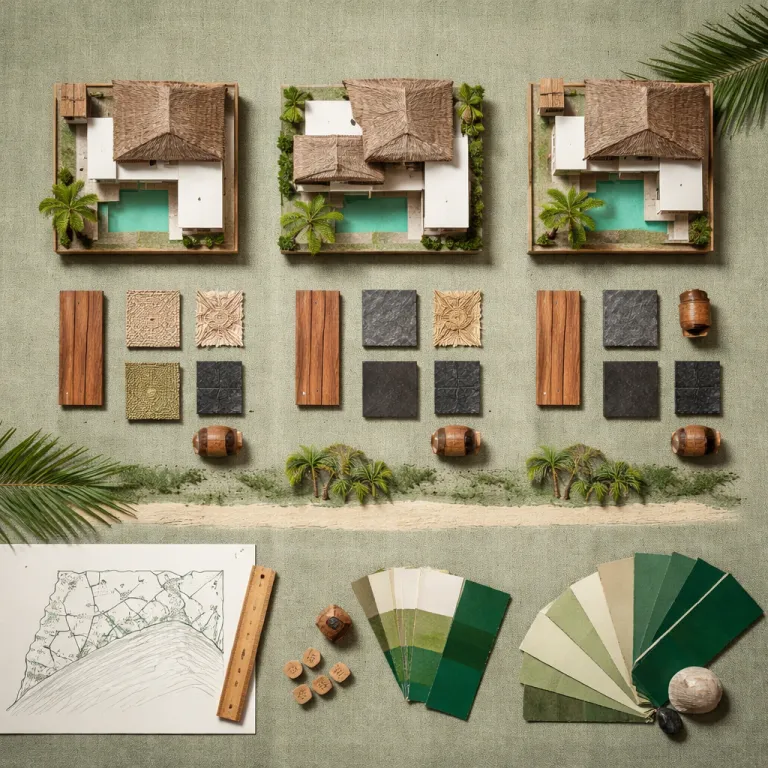
The new Malolo Island villas sit on a sheltered beachfront stretch of the island, each with a private pool, fully equipped kitchen and a dedicated Guest Experience Manager for every residence. They are configured as four- to six-bedroom homes, with layouts that can flex between a three-bedroom core for couples with a young child and larger configurations for extended family and friends traveling together. Floor plans range from roughly 5,400 to more than 7,500 square feet of internal and external living space, and the resort confirms that the enclave offers direct beachfront pool access, so guests move from bedroom beachfront terraces straight to the sand and then into the lagoon like a private extension of their rooms.
General Manager Mark Kitchen, who has overseen the latest phase of the residences program, frames the move clearly for the luxury market by stating in the resort’s March 2024 announcement, “The addition of these new homes allows us to welcome even more families and groups into our extended Six Senses Fiji community.” That line matters, because it signals that Six Senses Fiji Residences are no longer a side note to the main resort but a parallel product for guests who want a private pool and full villa privacy without losing access to the restaurants, activities and marine guides. For couples used to villas in Thailand, Japan or Bali, the combination of a South Pacific island setting and full-service residence infrastructure finally feels competitive, with published nightly rates for the new beachfront homes typically starting in the mid four-figure range depending on season, occupancy and exact bedroom count.
Inside residences 51–53: multi generational design and service
Residences 51 to 53 are the clearest expression yet of what Six Senses Fiji wants to offer multi-generational travelers. Each residence is a beachfront pool home with four to six bedrooms, generous indoor-outdoor living areas and a private pool residence layout that keeps the main entertaining spaces facing the Pacific while secondary rooms sit slightly back for quiet. Typical configurations include a four-bedroom core with an additional fifth or sixth bedroom that can be set up as a twin, bunk or media room, and the design team has kept ceiling fans, shaded verandas and cross-ventilation central to the plan so even the largest pool villa still feels anchored to Malolo Island rather than imported from a generic resort playbook.
For couples inviting parents, siblings or family friends, the planning details matter more than the headline size. A three-bedroom wing can be used as a self-contained residence for a smaller group, while additional rooms open up for larger parties without compromising privacy for each bedroom, and typical occupancy ranges from six to twelve guests depending on configuration and bed setup. The complimentary nanny service, offered for eight hours per day, is calibrated around child age rather than a one-size-fits-all policy, which makes it easier for parents to plan reef trips or spa time while a child or several children stay back in the villa with supervision, and the resort recommends confirming preferred nanny times at least a few weeks before arrival during school holiday periods when residence occupancy regularly approaches full capacity.
Service-wise, Six Senses Fiji Residences now operate closer to the villa estates at Laucala or the residences at Kokomo than to standard hotel resort inventory. Where Laucala leans into ultra-high price points and a near total buyout feel, and Turtle Island focuses on a full island buyout model, Six Senses residences on Malolo Island offer a middle path that still allows couples to book a single residence without committing to an entire island. For readers comparing Fiji’s evolving villa scene with the latest changes at Laucala, a detailed analysis of that property’s renovation can be found in a recent review of Laucala’s reopening and value proposition, which notes that the island’s all-inclusive rates, minimum stay requirements and private aviation logistics place it in a different tier from most Malolo Island villas.
What these mega villas signal for Fiji’s luxury island market
The expansion of Six Senses Fiji Residences is less about three new homes and more about what they signal for the South Pacific. Fiji is positioning itself as a serious alternative to villa-heavy destinations such as Thailand, Bali or even coastal Japan, where private pool villas and large residences have long been standard for high-end travelers. By using sustainable materials, energy-efficient systems and a design language that respects Malolo Island’s setting, the resort shows that growth in residences does not have to come at the expense of the reef or the village relationships that underpin Fijian hospitality, echoing broader findings from regional tourism reports that highlight the commercial value of credible sustainability commitments and transparent environmental metrics.
From a booking perspective, couples now need to think differently about dates, terms and conditions when they check availability for a room versus a residence. Lead times for these beachfront residences are already stretching, especially for peak dry season periods when the Pacific trade winds are gentle and the lagoon is at its clearest, so locking in dates early is essential if you want a specific bedroom configuration or a particular bedroom beachfront outlook, and the resort reports that prime holiday weeks can sell out six to nine months in advance based on recent booking data. For practical planning around climate and sea conditions, a detailed guide to Fiji weather in September for luxury stays offers a useful benchmark for shoulder season stays and helps travelers balance sunshine, swell and crowd levels.
The broader implication is that Six Senses Fiji is now playing in the same league as villa estates in places such as Ninh Van Bay on Vietnam’s coast, the marina-front residences of the Red Sea or even the bedroom marina developments in newer integrated resorts, while still feeling unmistakably Fijian. Guests who once defaulted to a pool villa in Thailand or a clifftop residence in Bali now have a credible South Pacific option where a private pool, full kitchen and generous entertaining spaces are matched by kava ceremonies and reef conservation briefings. For travelers who want to balance time in a high-touch resort with more low-key island experiences, a feature on spending a day beyond the resort on Vanua Levu without a rigid booking sheet, written as a guide to exploring beyond the resort bubble, rounds out the picture of what a modern Fiji trip can look like.