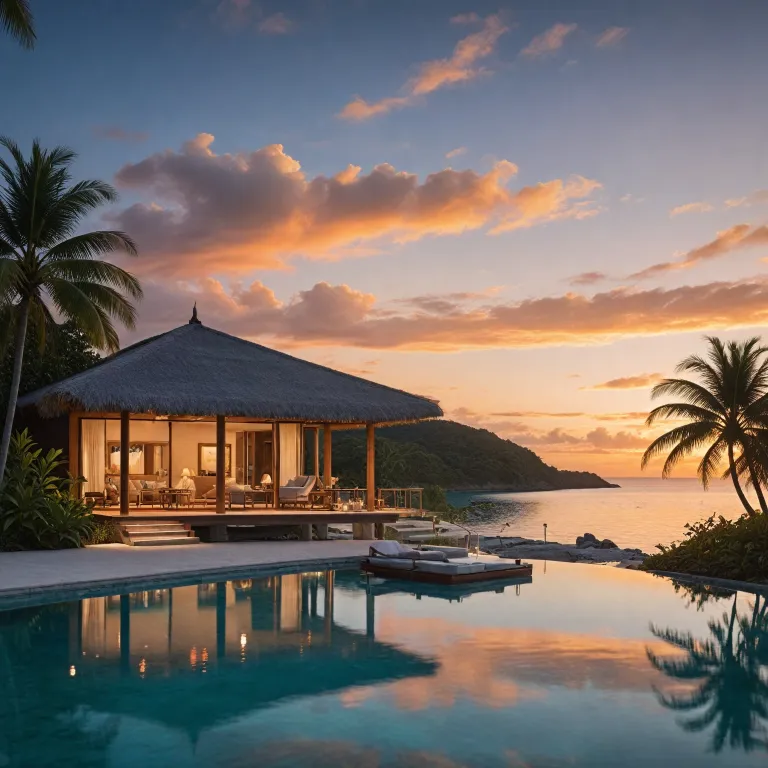
Why the Mamanuca island group defines refined island escapes in Fiji
The Mamanuca island group sits just off the west coast of Viti Levu, offering an elegant balance of seclusion and easy access. From Nadi on the main island of Fiji, high speed boats and private launches glide across the Pacific Ocean in under an hour, delivering guests directly to the sand beaches. This cluster of around twenty islands forms a compact playground where luxury resort experiences meet protected coral reefs and warm Fijian hospitality.
For travellers comparing islands across the south Pacific, the Mamanuca islands feel intimate yet varied, especially when contrasted with the more remote Yasawa Islands or distant French Polynesia. Many visitors first see the mamanucas from the air, where each small island appears as a ring of white sand around turquoise lagoons and darker coral reefs. That first impression continues at ground level, where every island resort is carefully integrated into the landscape to protect marine biodiversity and support local communities.
The region’s fame grew when an uninhabited Mamanuca island became the backdrop for the television show Survivor, and interest in these islands has only intensified since. Today, the Mamanuca island group is known as much for sustainable luxury as for cinematic scenery, with eco friendly operations and off grid solar systems now standard at many properties. For travellers seeking a refined stay in Fiji, the mamanucas offer a rare combination of polished service, pristine nature, and straightforward logistics from Viti Levu and Vanua Levu.
Choosing the right island resort in the Mamanuca islands
Selecting an island resort in the Mamanuca islands begins with understanding the character of each island and its surroundings. Larger islands such as Malolo and Mana Island host several resorts, offering more activity options, while a small island beautiful enough for postcards might feature just one intimate property. Guests who prioritise privacy often favour a single island resort with only one jetty, one sandy beach, and a carefully managed number of villas.
On Malolo, travellers find established properties with extensive facilities, including multi level pool complexes, kids clubs, and easy access to nearby coral reefs. Mana Island offers a similar variety, with stretches of white sand on both the north and south coasts, ideal for sunrise and sunset walks. In contrast, Matamanoa and Tokoriki Island lean towards a quieter atmosphere, where adults focused stays, spa rituals, and long swims in the Pacific Ocean take precedence over busy schedules.
Names such as Treasure Island and Musket Cove have become synonymous with relaxed luxury in the mamanucas, each offering its own interpretation of Fijian style. Treasure Island sits on a compact coral cay, so guests are never more than a few steps from the water or the encircling reef. Musket Cove, on the other hand, is set within a sheltered lagoon on Malolo, attracting both resort guests and yacht owners who value calm anchorages and polished shore facilities.
Luxury experiences shaped by coral reefs, tides, and the south Pacific
What elevates a stay in the Mamanuca island group from pleasant to exceptional is the close relationship between each resort and its surrounding coral reefs. Many islands are fringed by shallow lagoons where high tide brings gentle waves over intricate coral gardens, ideal for relaxed snorkelling directly from the sandy beach. At lower tide, resort guides often lead guests by small boats to outer reef walls, where visibility can extend for tens of metres in the clear south Pacific water.
According to regional tourism research, “Tourist Participation in Swimming and Snorkeling” reaches around 60 percent in the mamanucas, while “Tourist Participation in Scuba Diving” is closer to 12 percent. These figures highlight how the coral environment shapes daily life, from beginner friendly lagoon swims to more technical dives on deeper reef slopes. Many island resorts now collaborate with marine biologists and local communities to manage marine protected areas, ensuring that both coral and fish populations remain healthy for future guests.
Luxury properties across the Mamanuca islands increasingly integrate sustainability into their premium offerings, using solar energy systems and desalination plants to reduce environmental impact. On several islands, guests can join coral planting sessions or reef monitoring excursions, turning leisure time into meaningful contribution. This approach aligns with broader trends across Fiji and the wider south Pacific, where high end travel is expected to support conservation, respect Fijian culture, and provide tangible benefits to local communities.
Navigating access, transfers, and logistics across the Mamanuca and Yasawa islands
Planning a luxury stay in the Mamanuca island group requires careful attention to transfers, especially for multi island itineraries that also include the Yasawa Islands. Most guests arrive via Nadi, on the western side of Viti Levu, then continue by catamaran, private speedboat, or seaplane to their chosen island resort. Travel times vary with distance and sea conditions, but many Mamanuca islands sit within 15 to 60 minutes of the mainland by boat.
High tide and low tide influence not only reef access but also some jetty operations, so premium resorts coordinate arrivals to ensure smooth disembarkation. When combining the mamanucas with the Yasawa Islands or even more distant regions such as Vanua Levu, travellers often schedule at least one night on Viti Levu to simplify connections. This approach allows time to adjust after long haul flights and to confirm onward transfers to islands like Malolo, Mana Island, or Tokoriki Island.
Operators serving the Mamanuca islands typically run scheduled boats during daylight hours, with private charters available for late arrivals or bespoke itineraries. Guests seeking maximum flexibility may opt for seaplane transfers, which shorten travel times and provide striking views of each small island, its surrounding coral reefs, and the broader Pacific Ocean. When planning, it is wise to confirm luggage limits, weather policies, and any seasonal variations in service, particularly for routes that also touch the more remote Mamanuca Yasawa corridor.
How sustainability and Fijian culture shape premium stays in the mamanucas
Luxury in the Mamanuca island group increasingly means alignment with Fijian culture, environmental stewardship, and community partnerships. Many resorts are owned or co managed with local landowning families, ensuring that economic benefits from tourism flow directly to nearby villages on Viti Levu and the islands themselves. Guests are often invited to attend cultural evenings featuring meke dance, kava ceremonies, and storytelling that explain the deep connection between Fijian communities and the sea.
Resort operators across the mamanucas work with government agencies and environmental organisations to protect coral reefs and coastal ecosystems. Off grid solar installations, advanced waste management, and water saving technologies are now common, particularly on smaller islands such as Matamanoa or Treasure Island. These initiatives help maintain the clarity of the lagoons, the health of the reefs, and the quality of the white sand that defines each sandy beach.
For travellers comparing destinations across the south Pacific, including French Polynesia and other archipelagos, the mamanucas offer a compelling blend of authenticity and comfort. Guests can spend the morning snorkelling among coral reefs, the afternoon learning about traditional navigation or fishing techniques, and the evening dining on locally sourced seafood beside an infinity pool. This integration of culture, conservation, and refined service has turned the Mamanuca islands into a benchmark for sustainable luxury in Fiji and the wider Pacific Ocean region.
Designing a multi island itinerary across the Mamanuca island group
One of the most rewarding ways to experience the Mamanuca island group is to design a multi island itinerary that highlights different styles of resort and landscape. Travellers might begin on Malolo, enjoying the marina atmosphere and social energy of Musket Cove, before moving to a quieter island resort on Tokoriki Island or Matamanoa. This progression allows guests to sample both activity rich environments and more contemplative settings within the same holiday.
Another popular combination pairs Treasure Island with a stay on Mana Island or a neighbouring small island, creating a contrast between compact coral cays and larger, more varied shorelines. On Treasure Island, the entire perimeter can often be walked in minutes, with coral reefs visible from almost every vantage point. Mana Island, by comparison, offers longer sand beaches, multiple bays, and hilltop viewpoints across the wider mamanucas and towards the Yasawa Islands.
For those with additional time, extending the journey beyond the Mamanuca islands to Vanua Levu or the outer Yasawa Islands adds further depth. However, even within the mamanucas alone, it is possible to craft a sophisticated route that balances spa time, pool relaxation, sailing excursions, and guided reef experiences. Working with specialist travel advisors or resort concierges helps ensure that boat schedules, high tide windows, and inter island transfers align seamlessly, preserving the sense of ease that defines premium travel in Fiji.
Practical tips for booking luxury stays in the Mamanuca and Mamanuca Yasawa region
When booking a premium stay in the Mamanuca island group, timing, room category, and activity planning all influence the overall experience. The dry season typically offers calmer seas and clearer visibility on coral reefs, which benefits both snorkellers and divers. Given that a majority of guests participate in swimming and snorkelling, securing a room close to the sandy beach or with direct pool access can significantly enhance daily routines.
Travellers comparing islands across Fiji, the Yasawa Islands, and French Polynesia should pay close attention to how each resort manages sustainability and community engagement. Properties in the Mamanuca islands often highlight their partnerships with local schools, reef conservation projects, and Fijian cultural programmes, which can be meaningful differentiators at the luxury level. Reading detailed resort descriptions, independent reviews, and sustainability reports helps ensure that marketing language aligns with on the ground practice.
Finally, consider how each island resort fits into a broader itinerary that may include Viti Levu, Vanua Levu, or the extended Mamanuca Yasawa corridor. Confirm transfer options by boats or seaplane, clarify policies around weather disruptions, and allow buffer time between international flights and island connections. With thoughtful planning, guests can enjoy the full spectrum of what the Mamanuca islands offer, from tranquil white sand coves to lively lagoon fronts, all framed by the warm hospitality that defines Fiji and the wider south Pacific.
Key statistics about tourism in the Mamanuca islands
- Number of islands in the Mamanuca island group : approximately 20 islands.
- Tourist participation in swimming and snorkelling activities : around 60 percent of visitors.
- Tourist participation in scuba diving experiences : approximately 12 percent of visitors.
Essential questions about planning a trip to the Mamanuca island group
What activities are popular in the Mamanuca Islands?
Popular activities include swimming, snorkeling, scuba diving, surfing, and cultural village tours. Many luxury resorts also offer sailing, stand up paddleboarding, spa treatments, and curated dining experiences that showcase Fijian flavours. Guests can combine water based adventures with cultural encounters for a well rounded stay.
How can tourists contribute to conservation efforts in the Mamanuca Islands?
Tourists can contribute by choosing eco-friendly accommodations, participating in conservation programs, and respecting local guidelines to protect the environment. In practice, this may involve joining coral planting sessions, avoiding reef damage while snorkelling, and supporting resorts that invest in solar power and waste reduction. Engaging with educational workshops offered by resorts further deepens understanding of local ecosystems.
What is the best time to visit the Mamanuca Islands?
The Mamanuca Islands have a tropical climate with a dry season from May to October, offering pleasant weather for visitors. During this period, seas are generally calmer and visibility on coral reefs is often excellent, which benefits snorkelling and diving. Shoulder months can also provide attractive conditions with slightly fewer guests and competitive luxury rates.
References
- Fiji Tourism (national tourism information)
- Water Centre – Inclusive WASH at Work, Mamanucas case study report
- Government of Fiji – Ministry of Tourism and Civil Aviation