Where Fiji resort spas begin: not at the massage table
A serious Fiji resort spa does not start with a massage or a menu. It starts when the boat noses toward the island jetty and the first Fijian chorus rises across the water. That is when your senses begin to adjust from airport glare to lagoon light.
Across Fiji, from Denarau Island to Momi Bay and the outer islands, the best resort spa teams treat the entire arrival as part of the wellness experience. Staff time the cool towel, the first sip of chilled coconut water and the gentle explanation of wellness programs so adults and children feel held rather than hurried. You notice how the air smells of frangipani and sea salt, how your body finally drops into the bed that first night and how the silence between waves becomes the real treatment.
Data from the Fiji Tourism Board indicates there are around fifty properties offering a dedicated spa, which is a high concentration for such a compact island nation. That density means a traveler can book a Fiji resort with a serious resort spa focus at almost every price point, from classic Grand Pacific Hotel elegance in Suva to private island retreats. Prices for a one hour massage average about 100 United States dollars, which converts to roughly 225 FJD to 240 FJD depending on the exchange rate, and many resorts now quote packages in FJD so families can plan clearly.
Steam, stone and the quiet architecture of recovery
When you evaluate a Fiji spa, look first at what happens before and after the treatments. The most thoughtful Fiji resort spa teams choreograph steam rooms, cold plunge pools and shaded relaxation decks so your nervous system unwinds in layers. You move from heat to cool, from dim light to filtered ocean view, and the body slowly remembers how to rest.
Six Senses Spa at Six Senses Fiji on Malolo Island is the clearest example of this philosophy. Here the spa is a program rather than a single room, with wellness screenings, sleep tracking and an alchemy bar where therapists blend scrubs and body oils to match your stress levels. Their wellness programs might start with a singing bowl meditation session, move into a deep tissue massage and end with a guided breathing ritual in the garden so the senses stay open long after you leave the table.
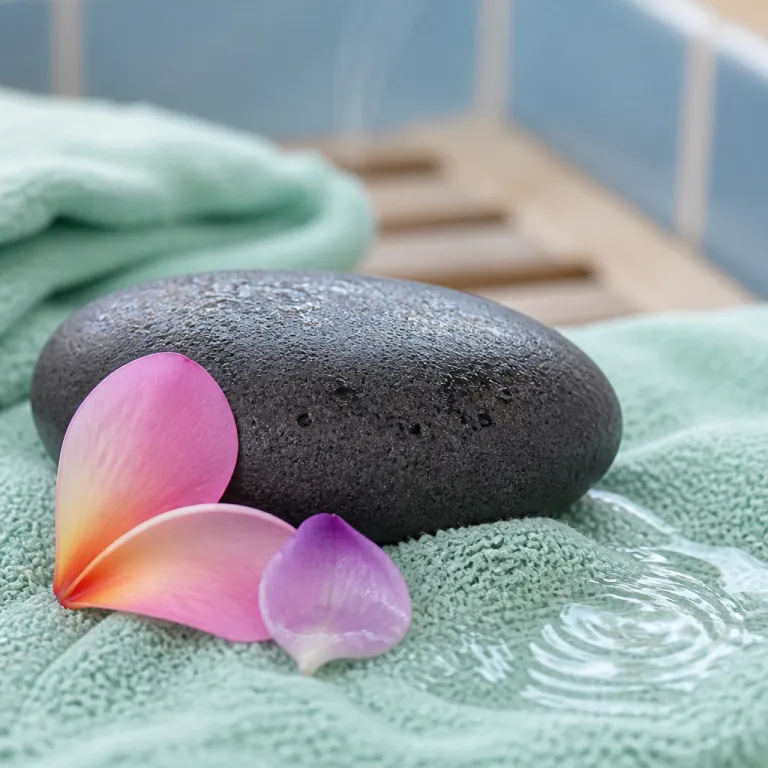
Traditional Fijian techniques remain central even in the most contemporary settings. As one local explanation puts it without embellishment, “They include Bobo massage, hot stone therapy, and use of natural oils.” Hot stones warmed to just above body temperature slide along the spine, while coconut and dilo oils sourced from nearby villages soak into sun tired skin. In the best resort spa facilities, these treatments are framed by quiet hydrotherapy circuits, where a plunge pool, a warm vitality pool and a cool rain shower sequence do as much work as any therapist.
Oceanfront sanctuaries: Namale, VOMO and the power of the view
On Vanua Levu, Valeni Sasauni Spa at Namale Resort shows how architecture can turn a simple massage into a full body immersion. Treatment bures perch above volcanic rock, with the Koro Sea filling every window and the sound of nothing but surf between each therapist’s instruction. Here the view is not decoration ; it is the main instrument.
Namale’s therapists combine Ayurvedic influenced sequences with traditional Fijian bobo, so a single ninety minute massage can move from warm oil scalp work to firm forearm strokes along the back. Couples often book side by side rooms, letting the ocean soundtrack replace any need for music, and many leave saying the pre treatment soak in the cliff edge jacuzzi did as much as the hands on work. For families, the resort will sometimes arrange staggered treatment times so adults and children can rotate between the spa, the pool and supervised activities without anyone feeling rushed.
VOMO Island’s post renovation spa takes a different approach, using clean lined interiors and ocean view treatment rooms to frame the lagoon like a living artwork. Before a massage, you might sit with a cool hibiscus tea on a shaded deck, watching the tide shift across the reef while your senses downshift. For travelers who are unsure about spa culture, guides like this detailed overview of spa days in Fiji for people who do not usually like spas can help you choose a gentle entry point, such as a simple foot ritual or a short back massage rather than a full body treatment.
Jungle paths, garden walks and the sound of nothing
Several Fiji resort properties now design the walk to the spa as carefully as the spa itself. At Malolo Island Resort, for example, the path to Leilani’s Spa threads through rainforest, so by the time you reach the open air treatment room your breathing has already slowed. The rustle of leaves and distant surf becomes the prelude to any massage or body scrub.
Leilani’s therapists use Pure Fiji products almost exclusively, layering coconut milk wraps, sugar scrubs and dilo oil massages into rituals that feel rooted in the island rather than imported. Parents often book a couples massage while older children join supervised activities at the pool or beach club, creating a pocket of adult quiet in an otherwise family focused day. The key is to see the entire sequence as one long wellness experience, from the moment you leave your family room or king room to the moment you step back onto the sand.
Even on more built up Denarau Island, where Sofitel Fiji and other large resorts line the shore, smart design can still create silence. A well placed wall, a grove of palms and a shallow reflection pool can muffle the sounds of the main pool and restaurants. When you tour a Fiji spa on arrival, pay attention to how far the treatment rooms sit from the busiest areas and whether the relaxation deck offers a genuine sense of separation from the rest of the resort.
Six Senses Fiji and the rise of program based wellness
Six Senses Fiji has become the reference point for travelers who want a Fiji resort spa that treats wellness as a structured journey. The Six Senses Spa sits in a jungle clearing, with treatment rooms, a yoga pavilion and a small pool arranged around a central lawn. You do not simply book a massage ; you often begin with a wellness screening that measures sleep quality, stress markers and movement patterns.
From there, the team proposes multi day wellness programs that might include deep tissue massage, singing bowl meditation, guided stretching and sleep support. The alchemy bar lets guests blend scrubs and body oils using local herbs and Pure Fiji bases, turning each treatment into a small act of co creation. For families, the spa can design shorter, more playful sessions so adults and children both feel included without compromising the quiet of adult only zones.
What sets this Fiji resort apart is how the spa connects back to the room and the wider island. Sleep tracking data can inform pillow choices in your king room, while nutrition advice might shape what you order at the beach club that evening. Even the walk back from the spa, along a path lit by lanterns and framed by the sound of insects, becomes part of the sensory reset that defines a serious Fiji resort spa experience.
Technology, self service and the human touch
As wellness becomes more data driven, some Fiji resort operators are experimenting with self service check in and app based spa bookings. A recent analysis of self service check in in Fiji raised a fair question for luxury travelers : does automation belong in a culture built on face to face bula greetings. In the spa context, the answer is usually that technology should handle logistics while humans handle care.
At the better properties, you might use an app to book a massage, select a time slot and see the price in FJD, sometimes even broken down into mins FJD for shorter express treatments. But the moment you step into the Fiji spa reception, a therapist or host takes over, reading your body language and adjusting the plan if you look sunburned, jet lagged or simply overwhelmed. That balance between efficiency and empathy is what separates a true luxury resort spa from a generic hotel facility.
Families benefit from this blend of structure and softness. Parents can pre book treatments around kids club hours, choosing a ninety minute massage while the children join a reef walk or craft session, and the spa can still flex on the day if a child is unsettled or a flight delay shifts everything. In a destination where genuine Fijian warmth is the core asset, the best Fiji resort spa managers know that no app can replace a quiet “how are you feeling today” at the door.
Family focused Fiji resort spas: side by side calm and kid energy
Premium families often assume that a serious Fiji resort spa is incompatible with a trip that includes bunk beds and cannonballs. The reality is that several leading Fiji resort properties now design their wellness offerings specifically for adults and children traveling together. The trick lies in zoning and timing rather than in sacrificing silence.
On Denarau Island, Sofitel Fiji has become a case study in how to balance a lively main pool, a dedicated beach club and a quiet spa wing. Parents can book side by side massages while children join supervised activities or enjoy the water slides, and the spa’s layout keeps treatment rooms well away from the family room clusters. When you reserve, ask whether the resort offers family spa hours, teen friendly treatments and adult only slots, so everyone knows when the space is meant for whispering and when it can handle a little more energy.
Room configuration matters more than most travelers expect. A family room with a separate sleeping area for children or a bunk bed alcove allows parents to slip out for an early morning massage while kids continue sleeping, especially if the resort is comfortable sending a nanny or kids club staff member to sit in the room. In higher category suites, a private plunge pool can double as a post treatment cool down zone, letting you move from massage table to water without crossing the main pool deck.
Teen rituals, gentle treatments and shared wellness
Teenagers often sit at the edge of the spa conversation, too old for kids clubs yet not always ready for long, silent rituals. Some Fiji resort spa teams now offer shorter, targeted treatments for this age group, such as thirty minute back massages, gentle facials using Pure Fiji products or simple foot and scalp rituals. These sessions introduce teens to wellness without overwhelming them.
Parents can book parallel appointments, with one adult enjoying a full body massage while a teen receives a shorter treatment in a neighboring room. Clear communication about boundaries, draping and consent is standard in reputable Fiji spa operations, and families should feel comfortable asking detailed questions before confirming. When handled well, these shared experiences can become anchors in a trip, moments when adults and children step out of the usual roles and simply rest side by side.
Resorts like those around Momi Bay and the emerging resort Momi corridor, including larger brands such as Fiji Marriott and other Marriott Resort properties, are gradually refining this family wellness model. You might spend the morning at the main pool, the afternoon exploring the beach and the reef, and then slip into the spa for an early evening treatment while the sun sets over the lagoon. In these moments, the Fiji resort spa becomes less a separate facility and more the quiet heart of a multi generational holiday.
Adults only sanctuaries: Waitui Beach Club, Momi Bay and beyond
For couples and solo travelers, the most coveted Fiji resort spa experiences often sit within or alongside adults only zones. On Denarau Island, the Waitui Beach Club at Sofitel Fiji functions as a semi private enclave, with its own pool, cabanas and access to quieter spa services. Guests staying in certain room categories receive priority for these spaces, which can be a decisive factor when you book.
The spa facilities linked to Waitui Beach Club emphasize calm over spectacle. Think shaded daybeds, a small but well maintained plunge pool and treatment rooms where the only soundtrack is the rustle of palm leaves. Here, a traditional Fijian bobo massage feels different from the same treatment offered near the main pool, simply because the senses are not competing with music and children’s voices.
Down the Coral Coast and around Momi Bay, properties such as Fiji Marriott Resort Momi Bay position their spa complexes to maximize lagoon views and distance from the busiest public areas. A guest might move from an overwater villa or a high floor king room down a quiet path to the spa, passing only a few other adults along the way. In these settings, the Fiji resort spa becomes a kind of secular chapel, a place where the sound of nothing is carefully protected.
Pricing, value and how to read a spa menu
Understanding pricing helps you judge value in a Fiji spa context. With an average treatment cost around 100 United States dollars, or roughly 225 FJD, you should expect more than a basic massage in a converted hotel room. Look for access to steam rooms, plunge pools or relaxation lounges included in the rate, as these facilities extend the mins FJD you are paying into a longer experience.
Many Fiji resort spa menus now list durations clearly, such as sixty or ninety minute massages, along with the FJD price and any add ons. Packages that combine a body scrub, a massage and a facial can offer better value than booking each treatment separately, especially for couples. When comparing options between a Sofitel property, a Marriott Resort and an independent Fiji resort, focus less on brand names and more on how much time you can actually spend in the spa environment before and after the treatment.
Families should also ask about shared packages that allow adults and children to enjoy different treatments within the same time block. Some resorts will price these creatively, offering a lower rate for shorter teen treatments when paired with a full length adult massage. In every case, the goal is to turn a single line item on your bill into a layered Fiji resort spa experience that touches body, senses and mind.
Local ingredients, traditional Fijian rituals and where they truly shine
The most memorable Fiji resort spa experiences rarely rely on imported products alone. They draw from the islands themselves, using coconut, dilo, sugar and local herbs in treatments that feel both luxurious and grounded. When you see Pure Fiji on a menu, you are looking at a brand that has become almost synonymous with Fijian spa culture.
At Leilani’s Spa on Malolo Island, Pure Fiji oils and scrubs are woven into rituals that start with a foot bath and end with a cool compress scented with local flowers. On other islands, therapists might incorporate salusalu garlands, freshly grated coconut or warmed banana leaves into wraps and massages. These touches connect the body to the island in a way no generic spa brand can match.
For a deeper dive into how indigenous herbs shape the plate and the treatment room, look to properties like Likuliku Lagoon Resort, where the saluwaki herb features both in the kitchen and in the spa. A detailed feature on Fijian herbs at Likuliku’s saluwaki restaurant shows how the same plants that flavor a broth can also infuse an oil. When a therapist smooths that oil along your spine during a massage, the connection between land, body and senses becomes literal.
Where to find authentic rituals across the islands
Authentic traditional Fijian spa rituals appear in both large and small properties. Lali Spa at Beqa Lagoon Resort offers open air, beachfront treatments using natural Fijian products, with the sound of waves replacing any need for recorded music. GPH Day Spa at the Grand Pacific Hotel in Suva delivers a more urban version of the same heritage, with hot stone therapy and classic bobo massage framed by colonial architecture.
Valeni Sasauni Spa at Namale Resort, perched above the Koro Sea, is perhaps the most dramatic expression of this lineage. Treatments inspired by ancient healing traditions unfold in rooms where the ocean seems to press against the glass, and the silence between waves becomes part of the ritual. Across these properties, partnerships with local artisans and traditional healers ensure that the knowledge behind each massage or body scrub remains rooted in community rather than in marketing alone.
When you book a Fiji resort spa stay, ask specific questions about where oils, scrubs and herbs are sourced, and whether any treatments support village based suppliers. A resort that can answer clearly is usually one that treats wellness as a relationship with the island rather than as a checklist of services. In a landscape where wellness tourism is rising fast, that grounded approach is what will keep Fiji’s resort spas aligned with the land, the reef and the people who call these islands home.
Key figures shaping Fiji’s resort spa landscape
- Fiji hosts around 50 spa equipped resorts across its islands, according to the Fiji Tourism Board, which makes spa access unusually common for a destination of this size.
- The average cost of a standard spa treatment in Fiji is about 100 United States dollars, or roughly 225 FJD, based on Fiji Spa Association data, placing the country in a mid range price bracket compared with other Pacific islands.
- Wellness tourism demand in Fiji has grown in parallel with global trends, with more travelers seeking resort spa stays that integrate traditional Fijian practices and local products rather than generic international menus.
- Many Fiji resort spas now operate daily throughout the year, with extended hours and special packages during peak holiday periods to accommodate both couples and families.
- Partnerships with local artisans and traditional healers are increasingly common, ensuring that spa revenues support village economies while preserving indigenous massage and body care knowledge.
Frequently asked questions about Fiji resort spas
What makes a Fiji resort spa different from other tropical spas ?
A Fiji resort spa usually blends traditional Fijian bobo massage, locally sourced oils and open air treatment spaces with modern wellness programs. The emphasis on genuine bula hospitality means therapists often adapt sessions to your energy rather than following a rigid script. Many spas also integrate the natural environment, using ocean views, garden walks and the sound of waves as core elements of the experience.
Are spa services in Fiji expensive compared with other destinations ?
Average pricing for a one hour treatment sits around 100 United States dollars, which is competitive with other high end island destinations. When converted to FJD, this typically ranges between 225 FJD and 240 FJD, and many resorts publish clear menus so you can plan in advance. Packages that include access to steam rooms, plunge pools and relaxation lounges often provide better value than single treatments.
Do Fiji resort spas use local products and ingredients ?
Most serious Fiji spa operations prioritize local ingredients such as coconut oil, dilo oil, sugar and indigenous herbs. Brands like Pure Fiji are widely used, and some resorts work directly with village based producers to source oils and scrubs. This approach supports local communities while giving guests a more authentic connection to the islands.
Can families with children enjoy Fiji resort spa facilities ?
Many Fiji resort spas now design their offerings with families in mind, providing teen friendly treatments, staggered appointment times and clear adult only zones. Parents can often book side by side massages while children join supervised activities at the pool or kids club. It is important to check age policies in advance, as some spa areas and beach clubs remain reserved for adults only.
How far in advance should I book spa treatments in Fiji ?
For peak travel periods and popular Fiji resort properties, it is wise to book key treatments several weeks before arrival. Signature rituals, couples massages at sunset and packages linked to adults only zones such as Waitui Beach Club can sell out quickly. Once on the island, you can usually add shorter sessions or adjust times, but anchor experiences should be secured early.