Fiji traditional healing in luxury spas: a respectful guide for solo travelers
Why fiji traditional healing belongs on your luxury spa shortlist
Fiji traditional healing is not a trend; it is a living system. On these islands, health is woven through land, ocean and village, shaping how people understand illness and good health. For a solo traveler choosing a luxury stay, engaging with this traditional knowledge can turn a spa visit into a deeper journey into culture, community and place.
Among iTaukei communities, traditional medicine sits alongside Western medicine rather than beneath it. Many Fijian families still consult traditional healers for certain illness patterns, especially when they believe social or spiritual imbalance is involved. Ethnographic work by scholars such as Asesela Ravuvu and Ropate Qalo describes this dual system of care, where you might book a resort doctor for high blood pressure checks, then step into a bobo massage that draws on healing practices refined over generations.
The main content of any serious wellness stay in Fiji should acknowledge that healing plants, medicinal plants and spiritual rituals predate resort spas. Traditional medicinal approaches use each plant species with precision, from leaves that help regulate high blood pressure to roots that support overall good health, as described in regional ethnobotanical surveys from the University of the South Pacific. When luxury properties respect this traditional healing heritage, they create space for guests to search beyond generic treatments and engage with medicine traditional to Fiji in a thoughtful way.
Inside a real bobo massage: from village mat to spa table
Bobo is the backbone of many Fiji traditional healing experiences, yet not every spa version reflects its roots. In villages across Fiji, traditional healers perform bobo as a deep tissue massage that works slowly into muscle and fascia. The goal is healing rather than pampering, using firm strokes, stretching and sometimes focused pressure where illness is believed to sit, often combined with prayer or quiet reflection.
Resort spa therapists are trained to adapt these traditional healing techniques for international guests, often softening intensity while keeping the essence of the practices. As one standard explanation puts it, “What is Bobo massage? A traditional Fijian deep-tissue massage using herbal oils.” That same reference continues, “Where can I experience Bobo massage? At local villages and resort spas across Fiji.” Spa managers interviewed in Fiji tourism training programs often describe bobo as a bridge between clinical-style bodywork and community-based care grounded in village life.
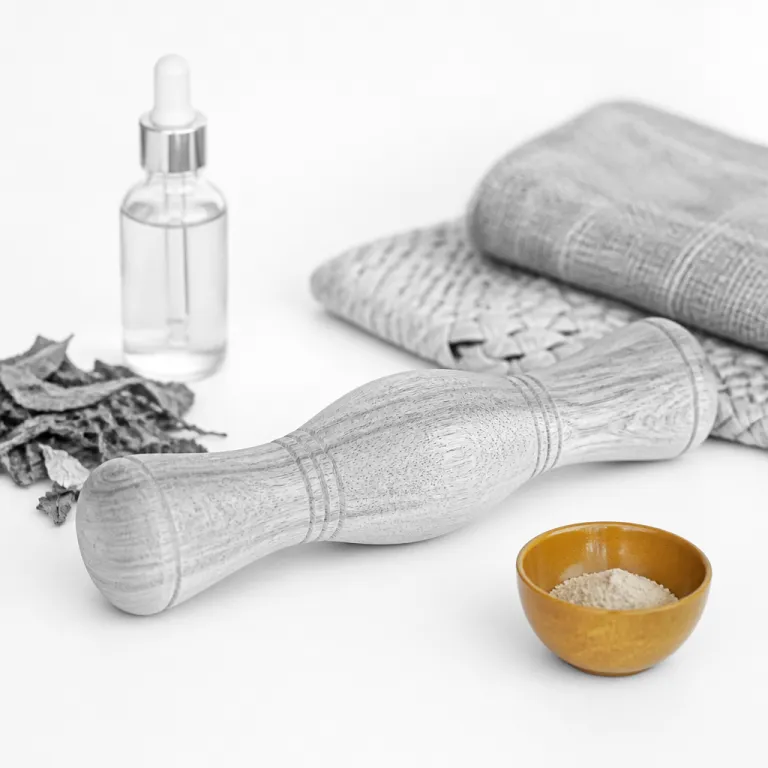
When you book a treatment, ask whether the therapist learned from iTaukei traditional healers or only from a resort academy. Genuine bobo uses coconut oil infused with healing plants, sometimes combined with herbal medicines prepared from specific plant species that grow near the village. For a solo explorer, this conversation is part of the experience, helping you assess how much traditional knowledge sits behind the massage and how the spa balances Western medicine style safety standards with Fijian healing practices and cultural protocols.
Guests curious about the cultural layer behind bobo often also want to understand ceremony etiquette. For that, reading a guide such as the detailed article on how to sit respectfully through a kava ritual at a traditional kava ceremony done properly can frame the social context of touch, respect and shared space. This wider cultural knowledge supports more meaningful conversations with therapists and traditional healers during your stay and helps you avoid treating sacred practices as entertainment.
Herbal medicine, healing plants and the ethics of spa menus
Long before spa menus listed “herbal compress” or “coconut body polish”, Fiji traditional healing relied on a sophisticated understanding of plants. Across the islands, medicinal plants are selected for specific conditions, from skin infections to high blood pressure and high blood sugar. Traditional medicine in Fiji is not a loose collection of remedies; it is a structured system where each plant has a defined role and is harvested, prepared and administered with care.
Traditional healers, often called vuniwai, hold detailed traditional knowledge about healing plants and herbal medicines, including how to combine them safely with Western medicine when guests already take prescribed drugs. Health researchers working with Fiji’s Ministry of Health have noted that some vuniwai routinely ask about hospital treatment before offering remedies. Some will prepare a bitter herbal juice from certain plants Fiji is known for, while others use plant leaves in poultices to draw out inflammation or support good health after injury. These medicine traditional preparations are usually tailored to the person, their social context and the specific illness, rather than offered as a one size fits all product.
Luxury resorts that take this seriously work with named knowledge holders rather than simply copying recipes from the Fiji Times or tourism brochures. At a lovo feast, for example, you might taste root crops and greens that also appear in traditional medicinal contexts, and some properties explain this link in detail; a thoughtful overview of how food, fire and land intersect can be found in guides such as what a real lovo tastes like. When you search spa menus, look for clear credit to iTaukei communities, transparent payment for traditional knowledge and honest language about what herbal medicines can and cannot do, including possible interactions with existing treatments.
Where luxury spas get fiji traditional healing right
Some high end properties in Fiji move beyond surface level references and build wellness programs around genuine Fiji traditional healing. Six Senses Fiji, for example, integrates Fijian healing practices into multi day programs that combine bobo massage, herbal oils and time with local practitioners. The emphasis is on long term health, not just a single treatment, and on connecting guests with the land where the healing plants grow and the communities who care for them.
Jean Michel Cousteau Resort on Vanua Levu takes a different but equally serious path, running an eco focused spa that avoids synthetic chemicals and leans on medicinal plants from its gardens. Therapists there often explain how each plant species fits within traditional medicinal frameworks, while still respecting boundaries around sacred knowledge. This balance between transparency and protection matters, especially as climate change threatens some plants Fiji depends on for traditional medicine, pushing resorts to support conservation rather than simply harvest. Reports from Pacific climate initiatives and the Intergovernmental Panel on Climate Change note that changing rainfall and coastal erosion already affect low-lying herbal plant habitats.
When you book through a curated platform such as MyFijiStay, you gain access to properties vetted for more than infinity pools and room size. Instead of relying only on marketing claims, the team looks at how each resort engages with traditional healers, whether they support local health initiatives and how they treat traditional knowledge as living culture rather than a marketing asset. For architecture lovers, the way wellness spaces are designed to frame ocean, forest and village life is explored in depth in the feature on architectural wonders in Fiji’s luxury hotels, which pairs well with this focus on healing.
Planning your stay: how solo travelers can engage respectfully
Thoughtful engagement with Fiji traditional healing starts long before you land at Nadi or Savusavu. As you search for properties, read beyond spa buzzwords and look for clear references to iTaukei partnerships, traditional medicine programs and conservation of medicinal plants. A good hotel website will explain whether treatments draw on a specific village’s healing practices and how traditional healers are involved, including whether vuniwai are consulted on program design.
Once you book, reach out to the spa team and ask detailed questions about bobo massage intensity, use of herbal medicines and any contraindications with Western medicine you already use. Responsible spas will ask about high blood pressure, recent illness and allergies before recommending healing plants or any herbal juice, and they should be comfortable suggesting a clinic visit if something sounds serious. This kind of joined up system, where resort doctors and traditional knowledge holders respect each other’s expertise, is a strong sign that your health is being taken seriously and that safety is not left to chance.
On the ground, treat every encounter with traditional healing as a social exchange, not a transaction. Ask permission before photographing plant species or medicine traditional preparations, and never pressure anyone to share restricted knowledge, even if you have read about suliana siwatibau or siwatibau family practices in the Fiji Times. For many people in Fiji, traditional healing is part of identity and community resilience in the face of climate change, and approaching it with humility will enrich your stay far more than any extra treatment on the spa bill. Always discuss herbal remedies with a qualified health professional if you have existing conditions, are pregnant or take regular medication, as even natural treatments can have side effects or interact with prescribed drugs.
FAQ
What is Bobo massage in Fiji and how is it different from other massages ?
Bobo massage is a traditional Fijian deep tissue technique that uses firm, flowing strokes and stretching to release tension and improve circulation. It often incorporates coconut oil infused with healing plants, reflecting local traditional medicinal knowledge. Compared with many Western spa massages, authentic bobo can feel more intense and therapeutic, with a stronger focus on restoring balance rather than simple relaxation.
Where can I experience authentic Fiji traditional healing during a luxury stay ?
You can experience Fiji traditional healing both in local villages and at resort spas that partner with traditional healers. Properties such as Six Senses Fiji and Jean Michel Cousteau Resort are known for integrating Fijian healing practices and medicinal plants into their wellness programs. When in doubt, ask the spa team whether treatments were developed with iTaukei knowledge holders and how those experts are credited and compensated.
How do traditional medicine and Western medicine work together in Fiji’s resorts ?
Many high end resorts in Fiji encourage guests to use Western medicine for acute or serious illness, while offering traditional medicine based treatments for relaxation, stress relief and minor complaints. Spa teams typically screen for high blood pressure, recent surgery or other conditions before recommending herbal medicines or intensive bobo massage. The best properties maintain clear boundaries, treating traditional healing as complementary rather than a replacement for clinical care.
Are healing plants and medicinal plants in Fiji affected by climate change ?
Climate change is already influencing some plant species in Fiji, including those used in traditional medicinal practices. Changes in rainfall, coastal erosion and shifting growing seasons can affect where healing plants thrive and how easily traditional healers can access them. Responsible resorts respond by supporting conservation gardens, sourcing plants Fiji grows sustainably and working with communities to protect traditional knowledge tied to these species.
How should solo travelers approach traditional healers respectfully ?
Solo travelers should approach traditional healers through proper channels, usually via their resort or a trusted local contact, rather than turning up unannounced. It is important to ask permission before recording, taking photos or sharing stories about medicine traditional practices, and to offer payment or gifts in line with local custom. Listening more than speaking, and acknowledging that some knowledge is not for public sharing, shows respect for both the healer and the wider community.