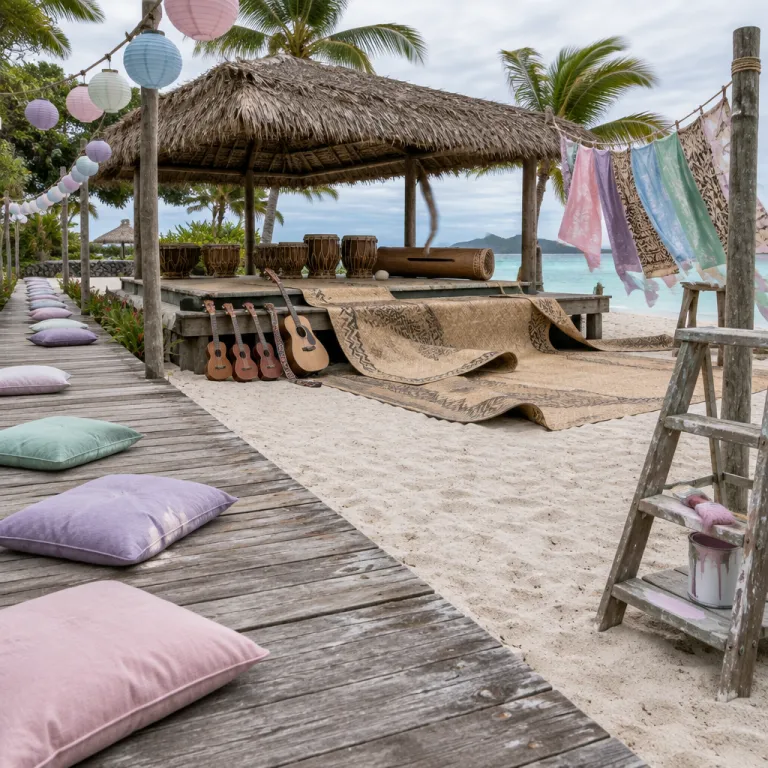
Reading meke fiji culture beyond the stage lights
On many islands in Fiji, meke fiji culture is presented as the highlight of resort entertainment. A real meke is a traditional Fijian dance and chant that carries history, diplomacy and genealogy in every drumbeat, so you want more than a pretty costume and a photo opportunity. When couples choose a luxury resort in Fiji, they are also choosing how they will meet Fijian culture and how respectfully that culture is treated.
Meke in Fiji combines layered music, percussive rhythm and choreographed dance to recount battles, voyages and love stories. In its most traditional form, this cultural performance is shaped by village elders, with music and dance sequences that can last for hours and involve both women and men moving in unison. When a resort compresses this meke traditional form into a short show, the question is not only what is removed from the choreography, but what is lost from the deeper culture Fiji narrative.
Look first at who is on stage and who is in charge of the cultural experiences. Authentic meke fiji culture usually involves local performers from nearby villages, supported by resort staff who understand protocol and speak about traditional Fijian values with ease. At Kokomo Private Island, for example, the resort partners with artists from Kadavu and nearby Yaukuve Levu to design the program, and a senior staff member introduces the performers by name before the first drumbeat. When Fijian people lead the storytelling, explain the songs and invite questions about Fijian culture, you are far more likely to be witnessing culture Fijian that still lives, rather than a script written only for tourists.
How a genuine meke night in Fiji actually unfolds
A typical meke night in Fiji follows a clear rhythm that blends ceremony, performance and food and beverage rituals. Resorts that respect Fiji culture will usually start with arrival and seating, a short welcome from resort staff, then a meke performance that runs for at least one unbroken sequence before dinner appears. When the timeline feels rushed, with waiters weaving through the dance to serve cocktails and plates, you are probably watching entertainment rather than a cultural anchor of island life.
In a more thoughtful resort setting, the meke fiji culture performance is framed as a cultural performance with objectives that go beyond applause. The resort may explain that the event supports local artists, preserves traditional Fijian choreography and uses traditional Fijian instruments alongside occasional modern touches. At Jean-Michel Cousteau Resort in Savusavu, for instance, management notes that more than 150 meke performances and kava ceremonies are hosted across the year, each one led by the same village-based troupe so that the repertoire deepens over time. Some properties even share that there are hundreds of meke performances annually in Fiji, then position their own night as one respectful thread in a much wider fabric of Fijian culture.
Dinner matters too, because Fijian food is part of the story that surrounds the music and dance. A buffet that nods to traditional Fijian cooking with root vegetables, fish baked in coconut milk, tropical fruits and a lovo-style dish cooked underground signals that the kitchen understands culture Fiji as more than décor. At Vomo Island Fiji, for example, chefs often prepare whole reef fish and taro in a sand-covered lovo pit near the beach, then walk guests past the fire so they can see how long the food has been steaming. For a deeper dive into how a lovo should taste at a serious resort, read the detailed guide on which lovo feasts in Fiji do not feel phoned in and then compare that standard with what appears on your plate after the meke.
The kava ceremony test: staged show or living protocol
On many islands, a kava ceremony precedes the meke and sets the tone for the night. When handled properly, this kava ritual is a sevusevu-style welcome, where Fijian people present kava root to a chief or representative and ask permission to be on the land. If your resort treats the kava ceremony as a quick photo line, with plastic cups and no explanation of the words spoken, you are likely watching a staged version that flattens Fiji culture into a prop.
Ask direct questions before you book, because luxury travelers have the leverage to insist on respect. Is the kava sourced from local farmers and prepared by traditional Fijian hosts who understand the order of claps, the role of the tanoa bowl and the meaning of the chants? Are the performers from the local village or hired from Suva just for the season, and does the resort partner with community leaders to ensure that meke fiji culture and the kava ceremony are presented in line with Fijian culture expectations rather than only guest preferences?
Resorts that take culture Fijian seriously will brief guests on how to sit, how to clap and how to respond when offered the first bilo of kava. At Nanuku Resort on Viti Levu, for example, staff quietly explain that three claps follow the first bowl and that guests should remain seated until the chief or village representative rises. They will often share written guidance in rooms or on the app, and some will link to resources similar to a detailed guide on how to sit through a kava ceremony correctly. When you feel gently coached rather than rushed, and when Fijian people lead the room rather than the entertainment team, the meke traditional performance that follows usually carries more weight.
Signals that your resort respects meke, art and everyday culture
Beyond the stage, the strongest clues about meke fiji culture at your resort sit quietly in the design, the art and the daily activities. Walk the property and notice whether Fijian art and wood carving pieces are credited to local artists, or whether generic island décor has been imported without context. Properties that invest in Fijian culture usually commission weaving in palm fronds, carved tanoa bowls and tapa-style works that reference real villages and real stories.
Programming is another lens, because cultural experiences should not begin and end with one meke night. Look for daily or weekly activities such as weaving workshops with palm fronds, introductory Fijian language sessions, cooking classes focused on Fijian food and guided walks that explain how coconut, root vegetables and tropical fruits shape village life. At Likuliku Lagoon Resort in the Mamanuca Islands, for instance, guests can join a mat-weaving session with women from nearby Solevu village and learn how the same skills appear in costumes worn during the evening meke. When these sessions are led by Fijian people rather than only expatriate staff, the line between staged culture Fiji and lived culture becomes much clearer.
Food and beverage choices also speak volumes about how a resort understands Fiji culture. Menus that highlight a traditional Fijian dish using local fish, coconut milk and seasonal island produce, alongside modern interpretations of Fijian food, show that the kitchen respects both tradition and innovation. One executive chef on Denarau Island notes that “around 70 percent of our seafood and root crops now come from within a two-hour boat ride,” a figure that turns menu descriptions into real support for coastal communities. For a broader sense of how architecture, layout and public spaces can frame cultural storytelling, the feature on architectural wonders in Fiji’s luxury hotel scene offers useful context when you are comparing properties.
Choosing resorts where meke fiji culture is a partnership, not a product
Some of the most meaningful meke nights in Fiji happen where resorts treat local communities as partners rather than suppliers. On Beqa Island, for example, properties that work closely with nearby villages often combine meke traditional performances with firewalking, village visits and shared meals that feel like an extension of everyday life rather than a packaged show. The difference is visible in the way Fijian people move through the resort, comfortable and confident, rather than appearing only for scheduled cultural experiences.
When you research, pay attention to how a resort speaks about Fijian culture on its website and in pre-arrival communication. Do they name specific villages, explain how revenue from meke fiji culture performances supports school fees or church projects, and mention long-term agreements with local cultural groups? Or do they simply list “Fijian dance show” under activities, with no reference to who performs, who decides the program and how often the community is consulted about culture Fiji representation?
During your stay, small choices can reinforce the partnership model that keeps meke fiji culture alive. Arrive early for good seating, respect performers and traditions, and stay present rather than watching the entire Fijian dance through a phone screen. As one village elder on Beqa put it during a post-meke talanoa, “When guests listen to the story behind the song, they become part of it for a night.” When you ask about the stories behind the music and dance, the choreography and the costumes made from palm fronds and coconut fibres, you signal that you value the depth of Fijian culture as much as the comfort of your resort.
What to expect from a well run meke night in Fiji
A well run meke night at a luxury resort in Fiji feels curated but not controlled. You can expect a clear structure, usually moving from welcome speech to kava ceremony, then into the meke performance before or during a dinner that highlights traditional Fijian flavours. The best properties brief guests on etiquette, encourage respectful audience participation and then step back so that Fijian people and their culture lead the evening.
Behind the scenes, resort staff usually coordinate logistics while local performers handle the cultural core. In many places, organizers work with local cultural groups to schedule performances, arrange transport from nearby villages and provide traditional attire, instruments and food and beverage support for the team. As one official explanation from Tourism Fiji puts it, “What is a Meke Night? A traditional Fijian event featuring dance and music,” a definition that many high-end properties now quote directly in their cultural briefings.
Expect the performance itself to last around one to two hours, sometimes with breaks between different styles of Fijian dance that showcase both women and men. Live music, chanting and percussive rhythm should dominate, with only subtle amplification so that the natural balance of voices and drums remains intact. When the final song fades and the performers invite guests to join a closing dance, you will know you have touched something real in meke fiji culture if the feeling is less like a show ending and more like being welcomed into island life for an evening.
FAQ
What is a meke night at a Fijian resort ?
A meke night at a Fijian resort is an evening cultural performance that combines traditional Fijian dance, chant and live music. It often includes a kava ceremony, storytelling and a dinner that features elements of Fijian food alongside international dishes. When handled well, it becomes a window into Fijian culture rather than just scheduled entertainment.
How long does a typical meke performance last in Fiji ?
In most resorts, a meke performance lasts between one and two hours, sometimes divided into several segments with different styles of Fijian dance. The duration can vary depending on how many dances are presented and whether audience participation is encouraged. Village-based performances outside resorts may run longer, especially during major cultural events.
How can I tell if a meke night is authentic or staged ?
Authentic meke nights usually involve local performers from nearby villages, clear explanation of the songs and protocols, and a kava ceremony that feels respectful rather than rushed. Look for signs of partnership, such as references to specific communities, fair compensation and involvement of elders in programming. If the event feels like a quick photo opportunity with little context, it is more likely a staged show.
Is audience participation appropriate during a meke performance ?
Audience participation is often encouraged, especially toward the end of the performance when guests may be invited to join a simple dance. The key is to follow the lead of Fijian people on stage and any guidance from resort staff. Joining only when invited and dressing modestly shows respect for both the performers and the wider Fiji culture.
Should I book a resort specifically for its cultural experiences in Fiji ?
For many couples, choosing a resort with strong cultural experiences significantly enriches a Fiji stay. Properties that invest in meke fiji culture, thoughtful kava ceremonies and everyday activities such as weaving or cooking classes offer a deeper sense of place. When you value these elements as much as the pool or spa, you help support Fijian culture and local communities.