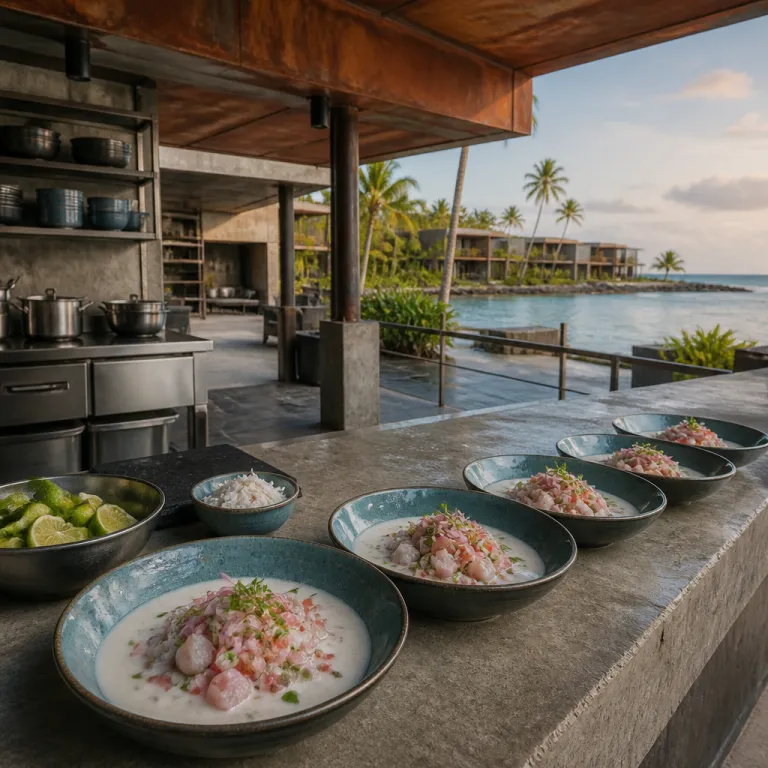
What kokoda in Fiji really is, beyond the postcard
Kokoda in Fiji is not just a pretty raw fish starter. It is a citrus cured fijian dish where fresh fish meets lime juice, coconut cream and quiet precision, and it tells you instantly whether a resort kitchen respects the islands. When you sit down in a luxury resort restaurant and see kokoda listed beside tuna tartare or classic fish ceviche, you are really being offered a window into how that property thinks about place, people and produce.
At its heart, kokoda is made from raw fish, usually firm white fish such as walu or mahi mahi, cut into medium sized cubes and left to bathe briefly in lemon juice or lime juice until the fish cooked effect appears on the surface. That curing juice is then drained and replaced with rich coconut milk or thicker coconut cream, often made by adding coconut flesh and water and squeezing by hand, then folded with finely diced or finely chopped red onion, tomato and sometimes crisp vegetables like cucumber or capsicum. When the balance is right, the ceviche recipe feels both like a Fijian answer to Latin American ceviche and a completely distinct fijian kokoda, softer around the edges, with a gentle pepper taste and a lingering dish love that makes couples order it again the next night.
Luxury travelers often compare kokoda to ceviche recipes they have tried in Peru or Mexico, yet kokoda Fiji style is creamier and more layered. The coconut element is not a garnish but the backbone, and the best versions use coconut milk pressed that same morning rather than industrial milk from a carton, which can flatten the flavour. When a resort serves kokoda in a chilled bowl with fresh fish that tastes of the reef, salt pepper used with restraint and vegetables that still snap, you are tasting a kitchen that understands time, tide and the quiet discipline behind a seemingly simple dish.
From reef to bowl: how real kokoda should be made
On a premium island resort, kokoda begins long before the chef reaches for a knife. It starts when a local fisher lands fresh fish at dawn, often walu, mahi mahi or another clean tasting white fish, and the kitchen commits to serving that catch as a fijian dish the same day rather than freezing it for later. When you order kokoda Fiji style at lunch, you are ideally tasting fish ceviche that has moved from reef to bowl within hours, not days.
In a serious kitchen, the chef will trim the fresh fish carefully, removing any dark bloodline before cutting the flesh into neat, medium sized cubes that will cure evenly. Those cubes are covered with just enough lime juice or lemon juice to coat them, then left for a short time until the outside of the raw fish turns opaque while the centre stays tender, which creates the prized fish cooked texture without heat. Only then does the team drain the citrus and start adding coconut elements, folding in coconut milk or coconut cream, a little extra lime juice for lift, salt pepper, and a mix of finely diced red onion, tomato and sometimes other vegetables, all finely chopped so they perfume the dish rather than dominate it.
For couples who care about provenance, this is where the questions begin. Ask whether the coconut used in the kokoda recipe was grated and pressed on site or poured from a can, and whether the fish was caught by local boats or flown in as generic white fish from overseas. Resorts that already champion farm to fork in Fiji, the kind of properties highlighted in guides to resorts where the chef knows the farmer by name, are usually the ones that will happily talk you through every step of their kokoda preparation.
Tourist versions versus honest kokoda in resort kitchens
Not every kokoda served in a luxury resort in Fiji tells a flattering story. Some kitchens treat kokoda as a generic fish ceviche, over curing the fish in citrus until it becomes rubbery, then drowning it in sweetened coconut milk to compensate, which leaves you with a heavy dish that tastes more of sugar than of sea. Others rely on imported frozen white fish and canned coconut cream, which might look fine in the bowl but strips away the immediacy that makes a true fijian kokoda sing.
The line between a tourist version and an honest kokoda Fiji style is surprisingly clear once you know what to look for. When your plate arrives, check the texture of the fresh fish cubes ; they should be tender, not chalky, and the surface should show that gentle fish cooked opacity without being hard all the way through. The liquid in the bowl should be a pale, natural coconut colour rather than bright white, with the aroma of fresh coconut rather than processed milk, and the vegetables should be finely diced or finely chopped, with red onion that smells clean, not harsh, and a seasoning of salt pepper and perhaps a little chilli that lifts the dish without burning it.
Resorts that take kokoda seriously often serve it in smaller, medium sized portions as a focused starter, rather than as a huge sharing bowl padded out with cheap vegetables. They might offer variations that respect the core recipe, such as using different reef fish or adjusting the balance of lime juice and coconut cream, but they never lose the clarity of fresh ingredients. If you are reading a menu at a high end property that talks at length about imported wagyu yet barely mentions where its fijian dish of kokoda comes from, you may be better off seeking out a dining room that treats kokoda as carefully as the chefs at intimate venues like the much discussed Saluwaki restaurant, profiled in pieces about Fijian herbs leading the menu.
Kokoda in the wider iTaukei food tradition
To understand why kokoda matters so much in Fiji, you need to see it within the broader iTaukei food tradition. Long before resort kitchens began plating kokoda in minimalist bowls, Fijian families were preparing versions of this raw fish dish at home and on village greens, often alongside a lovo feast where meats and root vegetables are slow cooked in an earth oven. In that context, kokoda is both a cooling contrast to smoky meats and a celebration of the reef, a fijian dish that honours the relationship between fishers, farmers and the sea.
Traditional kokoda recipes vary from island to island, but the essentials remain constant. There is always fresh fish, usually reef caught white fish, always citrus juice to cure it, and always some form of coconut, whether as light coconut milk or thicker coconut cream, sometimes made by adding coconut flesh and warm water and squeezing it through cloth. Into that base go finely chopped or finely diced vegetables such as tomato, red onion and chilli, sometimes with local greens, and the seasoning is simple salt pepper and perhaps a little spring onion, which lets the raw fish and coconut shine without distraction.
When you attend a lovo night at a resort, pay attention to how kokoda is handled alongside the earth oven dishes. A kitchen that respects iTaukei customs will often prepare kokoda closer to serving time, keeping the fish ceviche element bright rather than letting it sit in lime juice for too long, and they may even invite local women or village cooks to lead the process, which keeps the recipe anchored in community rather than in hotel training manuals. For couples choosing where to stay, a resort that frames kokoda as part of a living fijian kokoda tradition, not just as a generic ceviche recipe, is usually one that will also treat other cultural experiences with similar care.
How to read a resort menu through its kokoda
When you sit down in a high end Fijian resort, kokoda becomes a quiet test of the kitchen’s values. Before you even taste it, the way it is described on the menu can tell you whether the chef sees kokoda Fiji style as a signature fijian dish or as a token local nod between imported steaks and international pasta. Look for mentions of fresh fish species such as walu or mahi mahi, references to local coconut and clear notes about lime juice or lemon juice curing, because that level of detail usually signals a team that cares.
Once the kokoda arrives, use all your senses. The fish should smell clean and marine, not fishy, and the coconut element should feel silky rather than oily, which hints at whether the kitchen is adding coconut cream pressed on site or relying on shelf stable milk, and whether they have balanced the citrus so the fish cooked texture stays tender. Notice how the vegetables are handled ; finely diced red onion, tomato and other vegetables that still hold their shape show that the team respects texture, while a muddled bowl with soggy pieces suggests a rushed ceviche recipe that has sat too long on the pass.
For couples who care about sustainability, kokoda is also a proxy for how a resort engages with local supply chains. A property that can tell you which village supplied the fresh fish, who harvested the coconuts and how often they adjust the recipe to match the catch of the day is usually one that buys from Fijian fishers and markets rather than importing convenience products. If you are torn between a polished mainland resort and a smaller island property, it can be worth reading in depth guides such as those on sailing the Yasawas on a crewed catamaran, because the way a place talks about kokoda and other simple dishes often mirrors how it treats the slower, more elemental luxuries of reef, wind and time.
Ordering kokoda with confidence: questions for couples to ask
For many couples planning a romantic stay, kokoda becomes a ritual order, the dish love that opens almost every dinner. To make that ritual count, you can ask a few quiet questions that reveal whether the kitchen treats kokoda Fiji style as a serious expression of place or as a decorative fish ceviche. Start with the fish ; ask which species they are using that day, whether it is fresh fish from local boats and how long it typically spends in the curing juice before the team starts adding coconut.
Next, turn to the coconut itself, because this is where the soul of the recipe lives. A confident chef will explain whether they grate and press coconuts on site each morning to make coconut milk and coconut cream, or whether they blend fresh and packaged milk depending on the volume of guests, and they will usually be happy to adjust the balance of lime juice and coconut to your pepper taste. You can also ask how they handle the vegetables ; whether the red onion and tomato are finely chopped just before service, whether any extra vegetables are added for crunch, and whether they season with simple salt pepper or layer in chilli for couples who love a little heat.
Finally, pay attention to how the resort responds to curiosity. A team that lights up when you ask about their kokoda recipe, that talks about the fijian kokoda they grew up eating and the way they now plate it in a modern bowl, is usually a team that will care just as much about your other dining experiences, from breakfast fruit to special occasion tasting menus. Over the course of a stay, you may try several kokoda versions in different resorts across Fiji, and by the time you leave you will have learned that this seemingly simple raw fish dish is the most reliable measure of whether a kitchen truly belongs to the islands or merely performs them.
FAQ
What is the difference between kokoda and classic ceviche ?
Kokoda is a Fijian raw fish dish where reef fish is cured briefly in lime juice or lemon juice, then mixed with coconut milk or coconut cream and finely diced vegetables. Classic Latin American ceviche usually relies only on citrus and sometimes olive oil, without the rich coconut element that defines kokoda Fiji style. The result is that kokoda tastes creamier and softer, while ceviche tends to be sharper and more acidic.
Which fish works best for kokoda in Fiji resorts ?
The best kokoda uses firm, fresh fish such as walu, mahi mahi or other clean tasting white fish caught on nearby reefs. These species hold their shape when cut into medium sized cubes and cured in citrus, giving the prized fish cooked texture without becoming mushy. When you order kokoda, you can ask the resort which fish they are using that day and whether it was landed locally.
How can I tell if my kokoda was made with fresh coconut ?
Kokoda made with fresh coconut milk or cream has a gentle aroma and a natural off white colour, with a texture that feels silky rather than heavy. Versions made with canned milk often taste flatter and can look unnaturally bright white, sometimes with a slightly sweet aftertaste. If you are unsure, you can simply ask whether the kitchen is adding coconut from freshly grated nuts or relying on packaged products.
Is kokoda safe to eat as a raw fish dish ?
When prepared correctly in a reputable resort, kokoda is generally safe because it uses very fresh fish and an acidic cure of lime juice or lemon juice that helps reduce some surface bacteria. However, the citrus does not sterilise the fish completely, so people who are pregnant or have compromised immune systems should seek medical advice before eating any raw fish dish. If you have concerns, you can ask the chef whether they can lightly sear the fish or offer an alternative starter.
Can I learn to make kokoda during my stay in Fiji ?
Many luxury and premium resorts in Fiji now offer cooking classes where guests can learn a basic kokoda recipe from local chefs. These sessions often include a visit to the market or a talk about choosing fresh fish, grating coconut and balancing lime juice, coconut cream and seasoning. If kokoda has become your dish love during the trip, asking about a class is an excellent way to bring a little of Fiji’s flavour home.