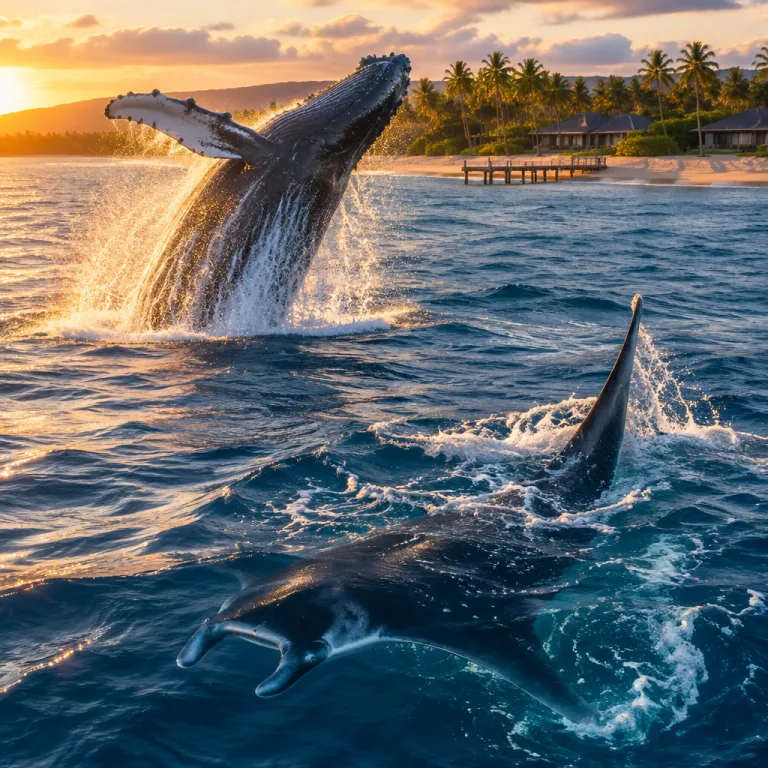
Reading the fiji manta whale season before it slips away
Late September in Fiji feels charged, like the reef is holding its breath. This is the narrow overlap when manta rays and humpback whales share the same channels and passages, and couples who time their travel now can experience both in a single, carefully planned stay. Think of this as the closing chapter of the fiji manta whale season, when the light softens, the trade winds ease, and the ocean’s big animals begin to move on.
Across the south Pacific, Fiji sits on the edge of deep ocean trenches, where nutrient rich currents rise and feed the reef all year round. From May through October, those currents concentrate in specific channel systems, turning them into feeding stations for manta rays, mantas in slow motion ballet above the coral, while humpback whales and even pilot whales cruise the deeper blue just beyond the barrier reef. By late October the season shifts, water warms toward the November to April wet period, and the reliable pattern of rays and whales becomes less predictable.
For couples weighing the best time to visit Fiji for both species, the answer is clear. The last dependable stretch of the fiji manta whale season runs from late September into early October, with October best understood as a graceful fade rather than a hard stop. You are booking into a shoulder season, a calculated bet where the reward can be a morning swimming manta encounter followed by an afternoon scanning the horizon for humpback whales from your resort’s deck.
Where mantas rule the channel: Yasawa passages and the right resort
If manta rays are your priority, you need to be near the right channel, not just any island. The most reliable manta ray encounters in Fiji cluster around the narrow passage off Drawaqa Island in the Yasawa group, where tides funnel plankton rich water across the reef and create a natural cleaning station for rays. Here, the fiji manta whale season is written in currents, with mantas and individual manta rays circling above coral heads while reef sharks and rays patrol the edges.
Several small luxury properties sit within a short boat ride of this Yasawa channel, and choosing the best resort is less about marble bathrooms and more about how quickly their dive team can get you onto the water when mantas appear. Ask specifically how many daily departures they run during the May to October manta season, whether they limit numbers in the water for each swimming manta session, and how they brief guests on respectful distances from manta rays. A strong operation will coordinate with neighboring resorts to stagger visits, keeping the channel calm and the experience intimate for couples.
For divers, the same passages that host mantas also deliver excellent drift dive conditions along the outer reef, with rays, reef sharks, and schooling fish sweeping past in the current. Non divers can still experience the fiji manta whale season from the surface, as most resorts offer guided snorkeling trips that follow the channel edges where mantas and mantas rays feed. If you are planning a wider circuit that includes Viti Levu or Vanua Levu, treat the Yasawas as your manta anchor, then build the rest of your travel around these tides and this reef window, using resources like this practical guide to diving Fiji’s Rainbow Reef to understand how conditions shift across the islands.
Chasing humpback whales without the hype
Humpback whales in Fiji are a different story from mantas, and couples should approach them with clear eyes. These are migrating humpback whales passing through Fijian waters from roughly July to October, using the shelter of the islands and barrier reef as a resting corridor rather than a full season breeding ground. That means the fiji manta whale season offers a chance of humpback encounters, not a guarantee, and any resort promising daily whales on demand is overselling the experience.
Your best places for humpback sightings tend to be outer reef edges and channels where deep water rises close to the islands, such as the Somosomo Strait off Taveuni, the Great Astrolabe and Astrolabe Reef systems near Kadavu, and the open approaches to Beqa Lagoon south of Viti Levu. In these areas, you are more likely to see humpback whales breaching or tail slapping beyond the reef, sometimes accompanied by pilot whales or other offshore species, while manta rays and rays Fiji remain closer to the inner reef slopes. Some high end resorts on Vanua Levu and Viti Levu will arrange private boat charters during the peak season, giving couples a better chance to spend unhurried hours scanning the horizon with an experienced skipper.
Think of whale time as an elegant adjunct to your manta focused itinerary, not the core of it, and you will leave happier. Plan at least one dedicated ocean day in a region known for whales, ideally tied to a coordinated event such as Fiji’s dive weeks, which you can explore in more depth through our feature on Fiji’s coordinated dive week. The fiji manta whale season then becomes a layered experience, where you might spend one morning on a drift dive along the reef, another scanning channels for humpbacks, and a final afternoon simply watching the year round rhythm of the south Pacific from your bure veranda.
Designing a couple’s itinerary around a closing season
To catch both mantas and whales before Fiji’s season turns, structure your trip around two hubs rather than racing across every island. Start with three or four nights in the Yasawas near the manta channel, where your resort can call you at dawn when manta rays arrive and arrange a quick boat run for a quiet swimming manta session. Then shift to a second base near a major barrier reef system such as the Great Astrolabe or Somosomo Strait, where humpback whales are more likely to pass offshore while you dive or snorkel the reef.
On travel days, resist the urge to over schedule and let the fiji manta whale season breathe a little. A seaplane hop from Viti Levu to Vanua Levu or a boat transfer between islands is part of the south Pacific experience, and building in an unscripted afternoon at your resort allows you to respond if staff spot whales or mantas unexpectedly. Use those pauses to explore Fijian culture on land, perhaps visiting local markets for fresh fruit and handicrafts, guided by our detailed look at Fiji’s local markets and what to buy.
From a booking perspective, late September and early October are a sweet spot where rates can soften slightly after the absolute peak, yet the ocean still holds the last pulse of the fiji manta whale season. Couples with flexibility might aim their visit Fiji plans toward the final week of September, keeping a few days’ margin on either side in case weather nudges the best time for manta or whale activity. Remember that November to April brings a different character entirely, with warmer water, more humidity, and fewer big animal encounters, so this shoulder period is your moment if mantas, humpbacks, sharks, and rays are central to your south Pacific story.
FAQ
When is the best time to see both manta rays and humpback whales in Fiji ?
The most reliable overlap for both manta rays and humpback whales in Fiji runs from late September into early October. Manta activity is generally strong from May to October, while humpback whales migrate through roughly July to October, making this late season window the best time for couples who want a realistic chance at both. Outside this period, you may still see individual animals, but the fiji manta whale season becomes less predictable.
Where should couples stay for the best manta ray encounters ?
For manta rays, focus on resorts close to the Yasawa channel near Drawaqa Island, where tidal currents create a natural feeding and cleaning station. Properties that can reach the channel quickly by boat and that limit group sizes in the water tend to offer the most refined experience, especially for couples seeking privacy. Ask specifically about their manta protocols, how often they run trips during the season, and whether they coordinate with neighboring resorts to avoid crowding.
Are humpback whale sightings guaranteed during the season ?
No operator in Fiji can guarantee humpback whale sightings, even during the peak migration months. These whales are passing through rather than staying in one place, so encounters depend on timing, weather, and a measure of luck. Booking a resort near outer reef edges such as Somosomo Strait, Beqa Lagoon, or the Great Astrolabe area, and planning at least one dedicated ocean day, will improve your chances.
Is Fiji still worth visiting outside the manta and whale season ?
Fiji remains a compelling destination year round, even when the fiji manta whale season has eased. From November to April, warmer water and calmer seas can mean excellent diving on the reef, vibrant soft corals, and more flexible rates at some luxury properties. Couples who prioritize culture, food, and quiet lagoon time over big animal encounters often find this period suits them perfectly.
How many days should we plan for a manta and whale focused trip ?
For a balanced experience, plan at least seven to ten nights split between two regions. Spend three or four nights near the Yasawa manta channel, then move to a second base near a major barrier reef system with better whale prospects. This pacing keeps transfers manageable, allows for weather delays, and gives you multiple chances to align with the rhythms of the fiji manta whale season.