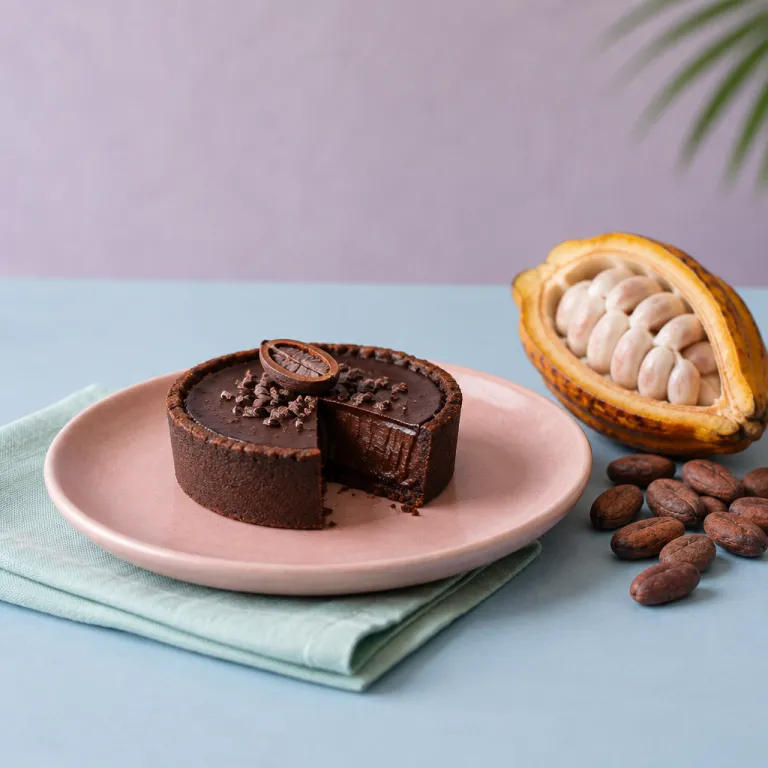
From rainforest to resort: where fiji chocolate cacao begins
On the wetter flanks of Viti Levu and Vanua Levu, cacao trees lean into the mist and quietly shape what will become fiji chocolate cacao. These groves sit back from the coast, where the vanua — the land, people and spirit — folds into valleys that stay humid, and that humidity lets cocoa trees flower and set beans almost year round. For travelers choosing a luxury stay in the Fiji Islands, understanding this inland story turns a simple piece of chocolate into a direct line between your dessert plate and the farmers in Fiji who tend each bean.
Plantings are still modest compared with global cocoa regions, yet a small circle of chocolate makers is slowly building a recognisable Fijian craft chocolate identity. They buy fresh cocoa beans from premium Fijian growers, manage careful fermentation, and dry the beans on raised beds until the aroma shifts from raw green to pure cocoa and tropical fruit. When a resort pastry chef talks about single origin Fiji cacao or mentions that the bar you are tasting is a true bean to bar expression of origin Fiji, they are signaling a commitment to locally sourced excellence rather than anonymous industrial blends.
Most plantations lie within a few hours’ drive of major resort hubs, which means your chosen hotel can actually visit the same farmers Fiji relies on for its emerging chocolate market. Some properties now arrange day trips inland, where couples can walk between rows of cacao, crack open dried pods and taste sticky beans before fermentation has transformed them. If your concierge speaks about fiji cocoa or fiji cacao with ease, and can name specific islands where beans are grown, you are in a place that treats fiji chocolate cacao as part of its culinary identity rather than a passing trend.
Terroir in a truffle: how fijian cacao tastes on the plate
Ask a serious pastry chef why they care about fiji chocolate cacao, and the answer usually begins with terroir. Fijian cocoa beans tend to give chocolate a profile that leans toward dried tropical fruit, gentle spice and a soft, almost honeyed acidity, which feels very different from the punchy dark chocolate many travelers know from other regions. When you taste a square of single origin fiji chocolate at turndown, you are tasting not only the bean and the fermentation but the rain patterns, soil and shade trees of a very specific corner of the Fiji Islands.
Dark chocolate made from fijiana cacao often shows notes of raisin, roasted coconut and sometimes a whisper of kava earth, while milk chocolate from the same fiji cacao can feel lush, caramel driven and surprisingly complex. High quality craft chocolate bars from these islands rarely chase extreme bitterness ; instead they balance cocoa depth with a clean, pure finish that suits the climate and the Fijian table. When a resort lists both dark and milk expressions of fiji cocoa on its dessert menu, it is quietly inviting you to compare how the same bean can sing differently depending on roast, sugar and milk.
Texture matters as much as flavor, especially in a luxury setting where every petit four is scrutinised. Some chefs fold cacao nibs from locally sourced beans into pralines for crunch, while others use finely ground beans craft chocolate in silky ganache that barely holds its shape on the spoon. If you care about architecture in food as much as in buildings, it is worth reading the menu with the same attention you might give to an article on architectural wonders in Fiji’s luxury hotels, because the structure of a chocolate dessert can reveal how seriously a kitchen treats its ingredients.
From bean to bure: how resorts weave cacao into the guest experience
In the best Fijian resorts, fiji chocolate cacao appears long before dessert arrives at dinner. You might find a small bar of single origin fiji chocolate on your pillow at turndown, a quiet signal that this property values locally sourced, high quality ingredients as much as ocean views. At check in, some hotels now offer a chilled dark chocolate and coconut welcome bite instead of a generic cookie, using milk chocolate or dark chocolate from fijiana cacao to echo the surrounding coconut palms and the scent of the sea.
Menus are where the story deepens, especially for couples who plan their evenings around the pastry section. A serious pastry team will often build an entire plated dessert around fiji cacao, layering a warm bean to bar fondant, a milk chocolate crémeux and a shard of dark single origin fiji cocoa tempered to a glassy snap. When you see cacao nibs sprinkled over a tropical fruit tart or a note that the cocoa beans are from farmers Fiji works with directly, you are looking at a kitchen that understands how fiji chocolate can anchor a sense of place as firmly as a traditional lovo feast or a carefully hosted kava ceremony.
Outside the dining room, some spas now experiment with cocoa based treatments that sit alongside traditional bobo massage and herbal therapies. A scrub made with finely ground cacao nibs and dried coconut can feel both indulgent and rooted in the vanua, especially when the therapist explains how the beans were grown on nearby islands. If your resort spa menu speaks confidently about fiji chocolate cacao, fiji cocoa and the wider craft chocolate industry, it usually reflects a property where wellness, gastronomy and culture are in quiet, thoughtful conversation.
Why local cacao matters: vanua, value and the craft chocolate economy
Choosing a dessert made with fiji chocolate cacao is not only a sensory decision ; it is also an economic and cultural one. When a resort buys cocoa beans directly from farmers Fiji depends on for rural livelihoods, more value stays on the islands instead of leaking out through imported industrial chocolate. That shift may feel small on a single plate, yet across a season it can help build a premium Fijian craft chocolate industry that rewards quality and careful fermentation.
Many growers now experiment with longer fermentation times, cleaner drying racks and more precise sorting, because chocolate makers pay more for beans that produce stable, high quality flavor. Those same makers often share feedback with growers about how a particular bean or lot behaves in dark chocolate, milk chocolate or even white styles, closing the loop between vanua and final bar. When a hotel pastry chef chooses single origin fiji cacao or fiji cocoa from a specific valley, they are effectively casting a vote in the chocolate market for traceability, transparency and locally sourced, sourced ingredients.
For travelers, this means your choices at the dessert trolley can align with the same values that might guide you toward community led excursions or eco sensitive stays. Ordering a bean bar tasting flight, asking where the beans craft chocolate came from, or choosing petit fours that highlight cacao nibs and pure fiji chocolate sends a clear signal that guests notice these details. Over time, that attention encourages more properties across the Fiji Islands to treat fiji chocolate cacao as a pillar of their culinary identity, not a novelty garnish.
Tasting the islands: how to seek out fijian chocolate on your trip
Curious couples can turn fiji chocolate cacao into a quiet thread that runs through their entire stay. Start by scanning hotel websites before booking and look for mentions of single origin fiji chocolate, bean to bar desserts or partnerships with local chocolate makers in the dining section. Properties that speak clearly about fiji cacao, fiji cocoa and locally sourced cocoa beans usually have a pastry team ready to talk you through the story behind each bar or truffle.
Once on the islands, ask your concierge about tastings, classes or day trips that focus on cacao. Some resorts host evening flights where you compare dark chocolate, milk chocolate and even raw cacao nibs from different parts of the Fiji Islands, often paired with rum, kava or tropical fruit. Others can arrange visits inland to meet farmers Fiji relies on for high quality beans, where you can watch fermentation boxes being turned, see beans laid out to be dried in the sun and understand how a humble bean becomes a polished dessert in your bure.
Back at the resort, consider booking a pastry workshop where you temper fiji chocolate, pour your own bean bar and learn how to read labels that mention origin fiji or premium Fijian cacao. These sessions often highlight how sourced ingredients and careful fermentation shape flavor, giving you language to ask better questions in future hotel restaurants. By the time you leave, you will recognise the difference between generic cocoa and fiji chocolate cacao that carries a clear sense of vanua, and that knowledge will quietly guide your next booking on myfijistay.com.
FAQ: fiji chocolate cacao and luxury stays
How can I tell if a resort really uses local fiji chocolate cacao ?
Read menus and in room materials carefully and look for specific references to single origin fiji cacao, named regions within the Fiji Islands or direct relationships with farmers Fiji relies on for cocoa. Staff should be able to explain where their cocoa beans are grown, how fermentation and drying are handled, and which chocolate makers transform those beans into bars or couvertures. If the answers stay vague or only mention generic imported brands, local fiji chocolate is probably a minor feature rather than a core ingredient.
Is dark chocolate or milk chocolate better for tasting fijian terroir ?
Dark chocolate usually shows the clearest expression of terroir, because it contains a higher percentage of cocoa beans and less milk or sugar. With single origin fiji chocolate, dark styles often highlight notes of dried fruit, spice and gentle acidity that come directly from the bean and the vanua where it was grown. Milk chocolate made from fijiana cacao can still reveal place, but the dairy softens some edges and shifts the profile toward caramel and cream.
Can I visit cacao farms during a luxury stay in Fiji ?
Several high end resorts can arrange private or small group excursions to cacao farms in the wetter interiors of the main islands. These visits typically include walking through plantations, seeing fermentation boxes in action and tasting beans at different stages, from fresh pulp to dried cocoa ready for roasting. Ask your concierge about partnerships with farmers Fiji works with regularly, as those relationships often lead to more meaningful, less staged encounters.
What should I look for when buying fijian craft chocolate to take home ?
Seek bars that clearly state origin fiji or a more specific region, list cocoa percentage and mention whether the chocolate is dark chocolate, milk chocolate or another style. Labels that reference single origin beans, careful fermentation and locally sourced or sourced ingredients usually indicate a craft chocolate approach rather than mass production. If you enjoyed a particular fiji chocolate dessert at your resort, ask the pastry team which chocolate makers they use and whether those same bean bar products are sold on site.
Does choosing local fiji chocolate really help the islands’ economy ?
When resorts and guests prioritise fiji chocolate cacao made from locally grown cocoa beans, more of the value chain stays within the Fiji Islands. Direct purchases from farmers Fiji depends on, combined with premium pricing for high quality beans, can support better incomes and encourage sustainable land use. Over time, this demand helps strengthen a premium Fijian craft chocolate industry that complements other forms of tourism and deepens the connection between vanua, agriculture and hospitality.